
In today’s fast-paced business environment, multi-location organizations face unique challenges that require strategic planning and cohesive implementation across all branches. One critical yet often overlooked component of a successful business strategy is the standardization of furniture across all locations. This standardization not only streamlines operations but also significantly impacts brand consistency, employee productivity, and long-term cost savings.
Understanding the importance of furniture standards programs can empower businesses to optimize their physical environments, ensuring that every aspect of their operations aligns with their overarching organizational goals. In this blog post, we will delve into the reasons why furniture standards programs are essential for multi-location organizations and explore how they contribute to overall business success.
The Importance of Brand Consistency
Brand consistency is a critical factor for any organization looking to establish a strong market presence and build customer trust. Furniture plays a significant role in creating a consistent brand image across all locations. When customers visit different branches of a multi-location organization, they expect to experience a similar environment that reflects the brand’s identity and values.
By implementing a furniture standards program, organizations can ensure that all branches adhere to a cohesive design aesthetic. This uniformity not only enhances the customer experience but also reinforces brand recognition and loyalty. A consistent look and feel across all locations can make a lasting impression on clients and contribute to a stronger brand reputation.
Enhancing Customer Experience
A well-designed furniture standards program considers the customer journey and how the physical environment can enhance that experience. From the layout of the reception area to the choice of seating in customer-facing spaces, every element matters. A cohesive design ensures that customers feel comfortable and valued, which can lead to increased satisfaction and repeat business.
Building Employee Morale and Productivity
Consistent furniture standards also have a direct impact on employee morale and productivity. When employees work in a well-designed and cohesive environment, they are more likely to feel motivated and engaged. A standardized approach to furniture selection and layout can create a sense of unity and belonging among staff, which can lead to improved teamwork and collaboration.
Streamlining Procurement and Maintenance
For multi-location organizations, managing the procurement and maintenance of furniture can be a complex and time-consuming task. By standardizing furniture across all locations, organizations can streamline their procurement processes, leading to significant cost savings and operational efficiencies.
With a furniture standards program in place, organizations can establish long-term partnerships with suppliers, negotiate better pricing, and simplify the purchasing process. Standardization also makes it easier to manage inventory and ensure that replacement parts or additional furniture pieces are readily available when needed.
Reducing Maintenance Costs
Standardized furniture reduces the complexity of maintenance and repairs. When all locations use the same furniture models and materials, maintenance teams can become highly knowledgeable about the products, leading to quicker and more efficient repairs. Additionally, spare parts can be kept in stock, reducing downtime and ensuring that any issues are promptly addressed.
Implementing a Centralized Procurement Strategy
A centralized procurement strategy empowers organizations to leverage economies of scale, reducing the overall cost of furniture acquisition. By collaborating with a limited number of suppliers, organizations can achieve consistency in quality and design while benefiting from bulk purchase discounts. This approach not only saves money but also simplifies vendor management and enhances the quality of products across all locations.

Supporting Sustainability Goals
Sustainability is becoming an increasingly important consideration for businesses worldwide. Furniture standards programs can play a key role in supporting an organization’s sustainability goals by promoting the use of environmentally friendly materials and practices. For more information on sustainable practices, visit EPA’s Sustainability Program.
By choosing sustainable furniture options and enforcing these standards across all locations, organizations can reduce their environmental impact and contribute to a more sustainable future. Sustainable furniture often includes elements such as recycled materials, low-VOC finishes, and energy-efficient manufacturing processes.
Educating Stakeholders and Promoting Accountability
Implementing a furniture standards program requires buy-in from various stakeholders within the organization. By educating employees and management about the importance of sustainability in furniture choices, organizations can foster a culture of environmental responsibility and accountability. This education can be extended to customers, helping to enhance the brand’s reputation as a socially responsible entity.
Aligning with Industry Standards and Certifications
Many industries have specific standards and certifications related to sustainability and environmental responsibility. By aligning their furniture standards program with these guidelines, organizations can demonstrate their commitment to sustainable practices. This alignment can also be a valuable marketing tool, showcasing the organization’s dedication to social and environmental responsibility. For example, the ISO 14001 Environmental Management standard provides a framework for improving environmental performance.
Facilitating Scalability and Growth
As multi-location organizations expand, scalability becomes a crucial consideration. A well-designed furniture standards program can facilitate this growth by providing a framework for consistent expansion. By having pre-determined standards in place, new locations can be set up quickly and efficiently, reducing the time and resources required for design and procurement.
This consistency also ensures that each new location seamlessly integrates into the existing network, maintaining brand consistency and operational efficiency. Organizations can focus on growth and innovation without being bogged down by logistical challenges related to furniture procurement and installation.
Adapting to Changing Business Needs
A furniture standards program allows organizations to adapt to changing business needs with ease. As the business landscape evolves, organizations may need to reconfigure spaces, update designs, or introduce new functionalities. With a standardized approach, these changes can be implemented smoothly, ensuring that the organization remains agile and responsive to market demands.
Case Study: Successful Implementation
Consider the example of a multinational corporation that successfully implemented a furniture standards program. By collaborating with a leading furniture supplier, the organization established a comprehensive set of standards that aligned with their brand identity and operational needs. The result was a streamlined procurement process, enhanced brand consistency, and significant cost savings across all locations.
Takeaways
Furniture standards programs are a vital component of a successful business strategy for multi-location organizations. By ensuring brand consistency, streamlining procurement, supporting sustainability goals, and facilitating scalability, these programs contribute to long-term organizational success. As businesses continue to expand and evolve, the importance of a cohesive and strategic approach to furniture cannot be overstated. Implementing a well-defined furniture standards program is an investment in the future, paving the way for growth, efficiency, and sustainability.
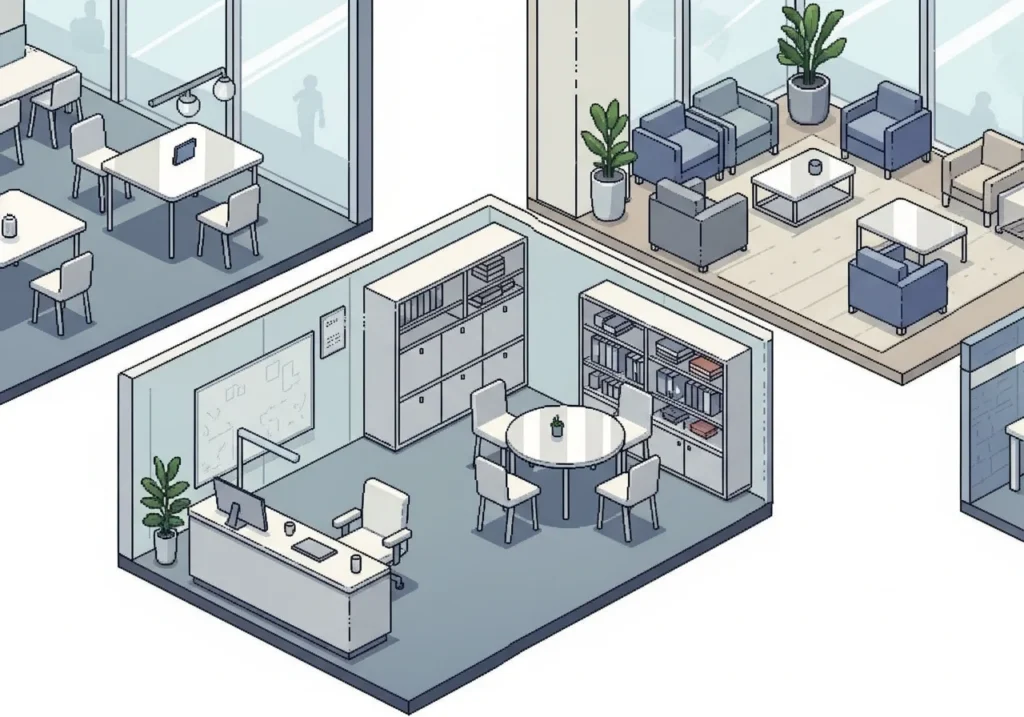
Organizations that recognize the significance of furniture standards programs often find themselves better positioned to navigate the complexities of multi-location management. These programs serve as a cornerstone for building a coherent and efficient operational framework that extends beyond mere aesthetics. By prioritizing these standards, businesses can address various challenges that arise when managing multiple locations, ultimately contributing to a more robust and resilient organizational structure.
Leveraging Technology for Enhanced Implementation
Incorporating technology into the furniture standards program can further enhance its effectiveness. Modern software solutions offer tools for managing furniture inventory, tracking maintenance schedules, and coordinating procurement processes across multiple locations. By leveraging such technologies, organizations can streamline operations and ensure that their furniture standards are consistently applied and monitored. For insights into technology integration, explore Gartner’s IT Research.
Cloud-based platforms enable real-time communication between different branches, facilitating the sharing of information and resources. This connectivity ensures that any updates to the furniture standards program are swiftly communicated and implemented across all locations, minimizing discrepancies and enhancing compliance with established guidelines.
Utilizing Data Analytics for Informed Decision-Making
Data analytics can play a significant role in optimizing furniture standards programs. By analyzing data on furniture usage, maintenance needs, and customer feedback, organizations can gain valuable insights into areas that require improvement. This data-driven approach allows for informed decision-making, enabling organizations to fine-tune their standards program and ensure it remains aligned with evolving business needs and objectives.
Implementing Virtual Reality for Design Consistency
Virtual reality (VR) technology offers innovative solutions for maintaining design consistency across multiple locations. By creating virtual models of standardized furniture layouts, organizations can experiment with design variations and assess their impact before making physical changes. This approach minimizes costly errors and ensures that any design modifications align with the existing standards, ensuring a consistent brand experience.
Training and Development for Successful Adoption
For a furniture standards program to be successful, it is essential to invest in training and development initiatives. Employees at all levels should understand the importance of adhering to the established standards and how these contribute to the organization’s overall goals. Training programs can cover various aspects, from understanding design principles to learning about the operational benefits of standardization.
By fostering a culture of continuous learning and improvement, organizations can ensure that their employees are well-equipped to implement and maintain the furniture standards program effectively. This investment in human capital enhances employee engagement and ensures a higher level of compliance with the program’s guidelines.
Creating a Feedback Loop for Continuous Improvement
A feedback loop is essential for the ongoing success of a furniture standards program. By encouraging employees to provide input on the program’s effectiveness and any challenges they encounter, organizations can identify areas for improvement and make necessary adjustments. This collaborative approach not only enhances the program’s impact but also empowers employees to take ownership of their working environment.
In conclusion, a well-implemented furniture standards program is a vital asset for multi-location organizations. By focusing on brand consistency, operational efficiency, sustainability, scalability, and continuous improvement, businesses can create a cohesive and effective strategy that supports their growth and success. As the business landscape continues to evolve, organizations that prioritize these standards will be better equipped to thrive and remain competitive in an ever-changing market.
Need help with Why Furniture Standards Programs Matter for Multi-Location Organizations?