Seating that supports comfort, focus, and the way each space is used.

Seating that supports comfort, focus, and

the way each space is used.

Every seat has a job to do.

A chair is not just a product selection. It affects comfort, posture, focus, movement, visitor experience, meeting quality, cleanability, and the overall feel of a space. Our approach involves thinking through how seating will actually be used before narrowing product options.

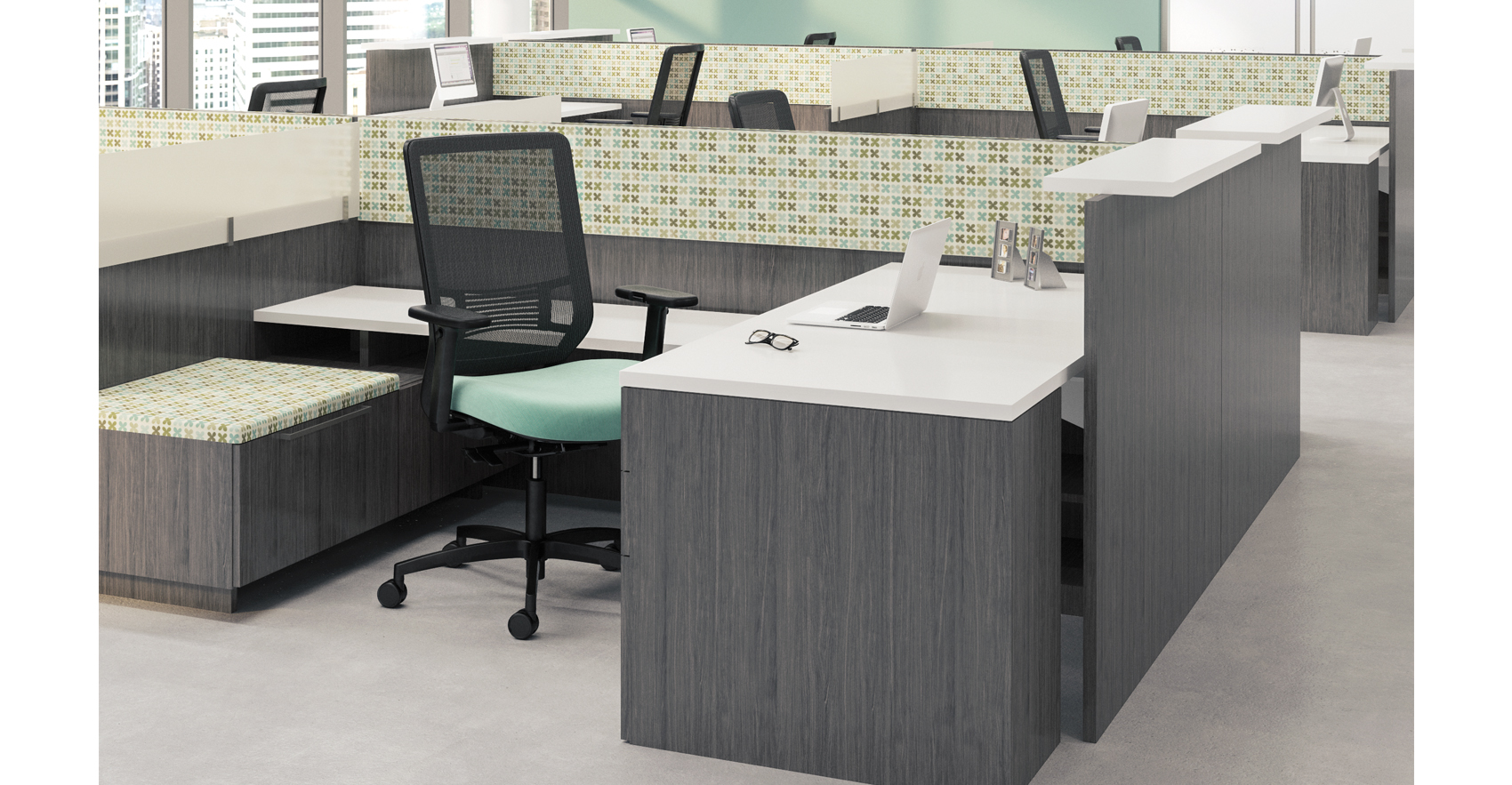
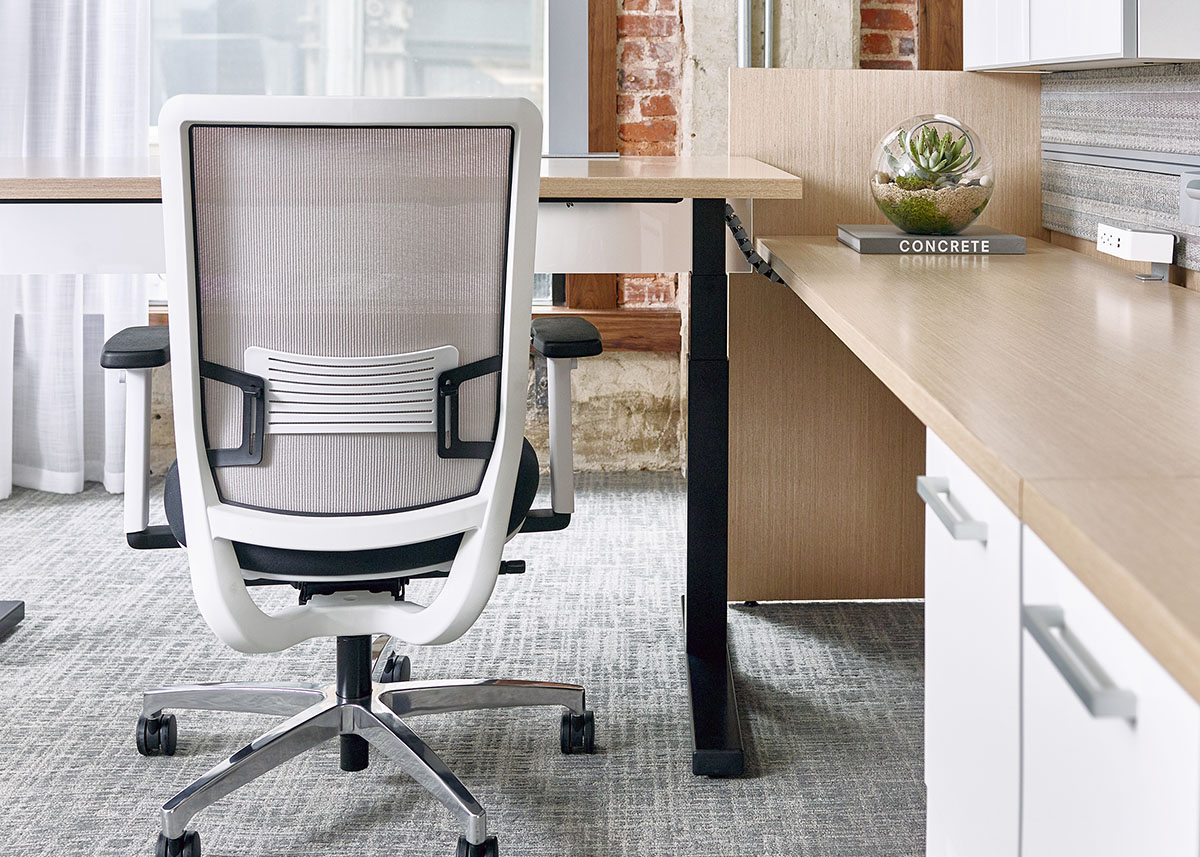
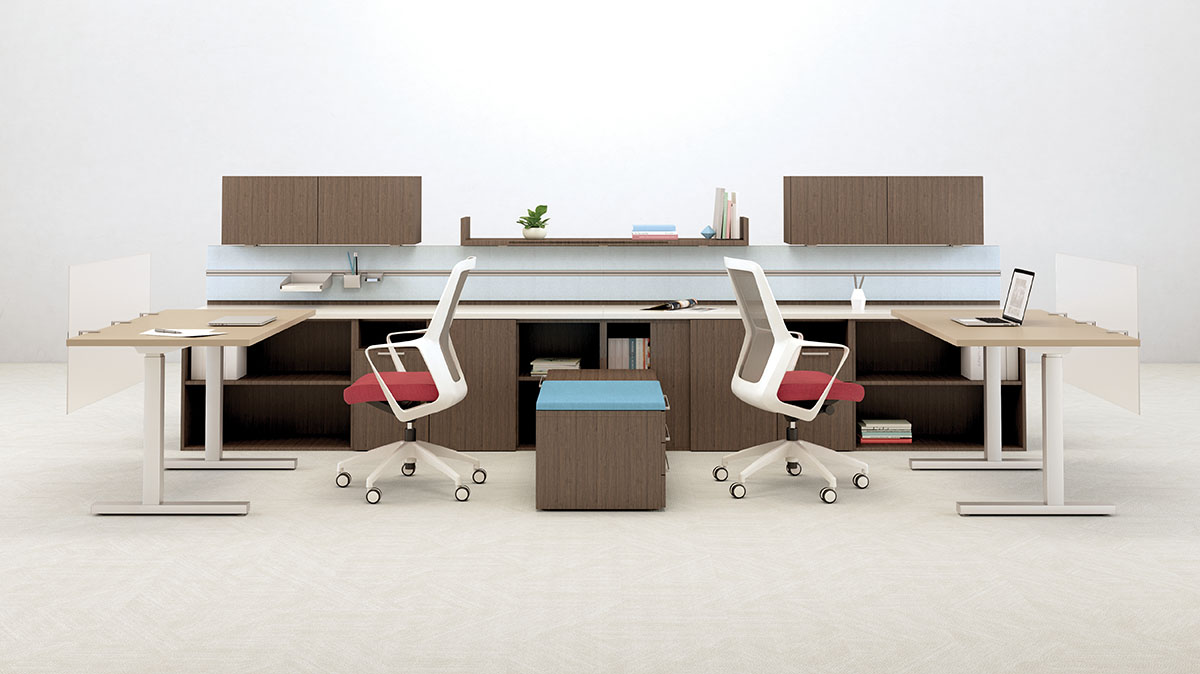
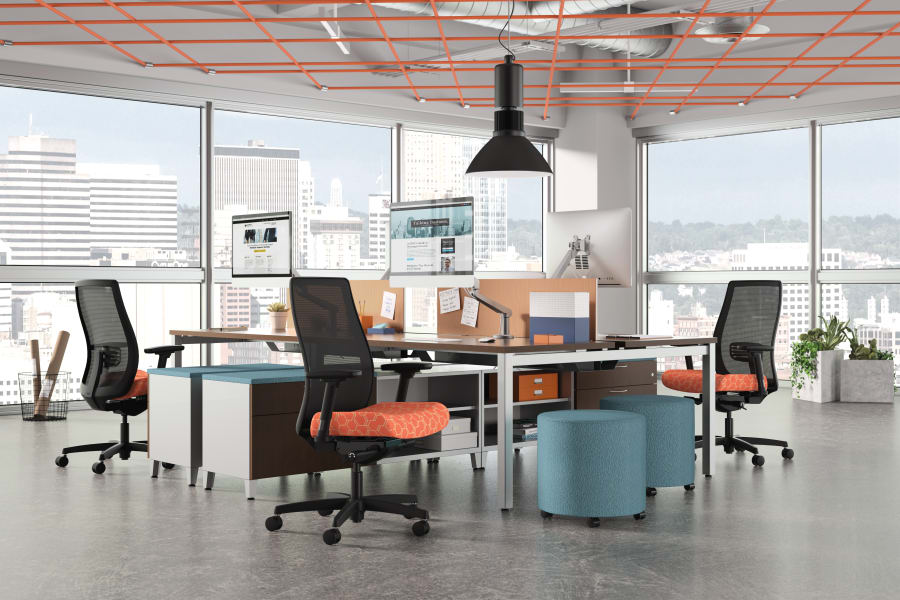
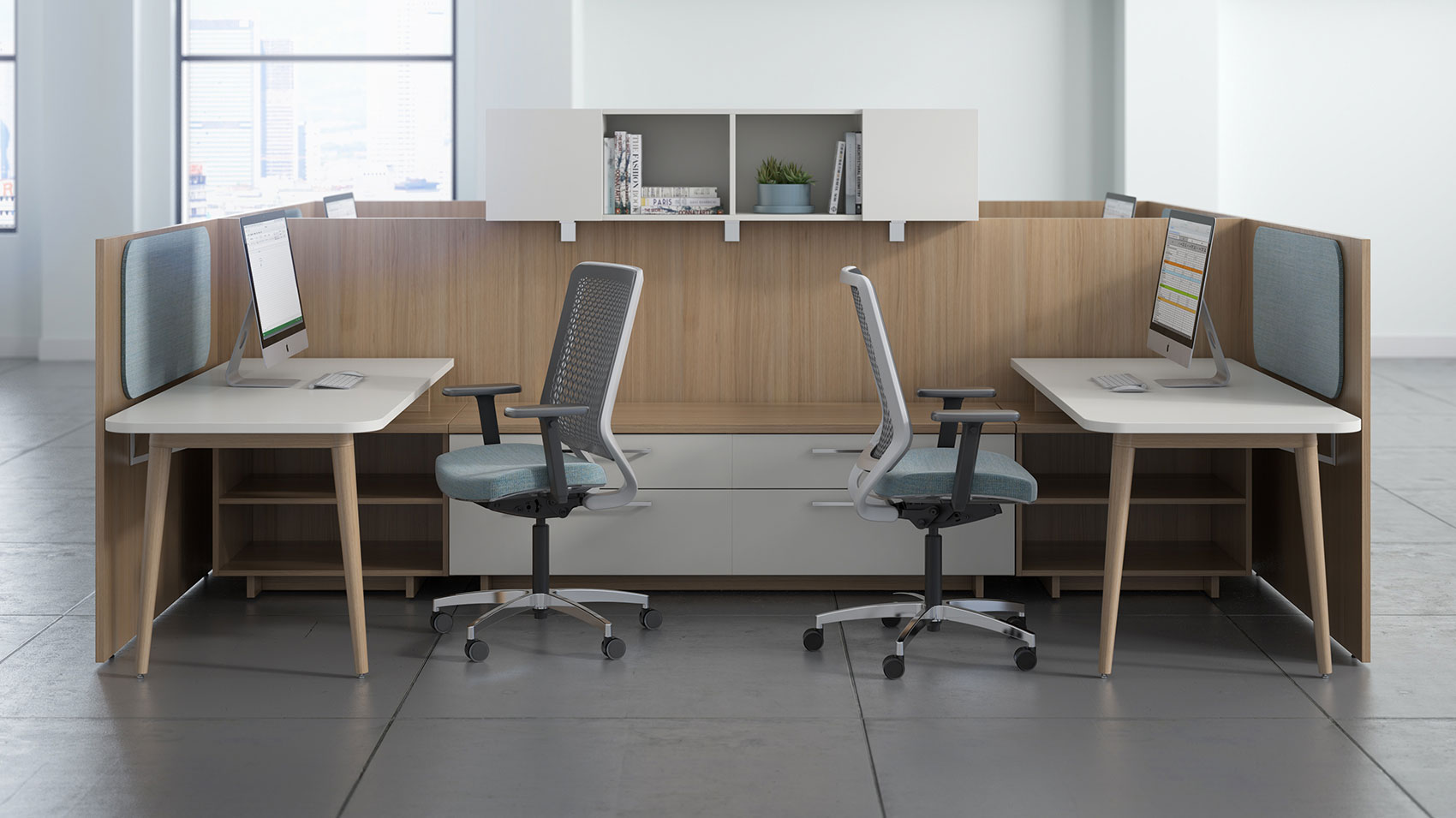
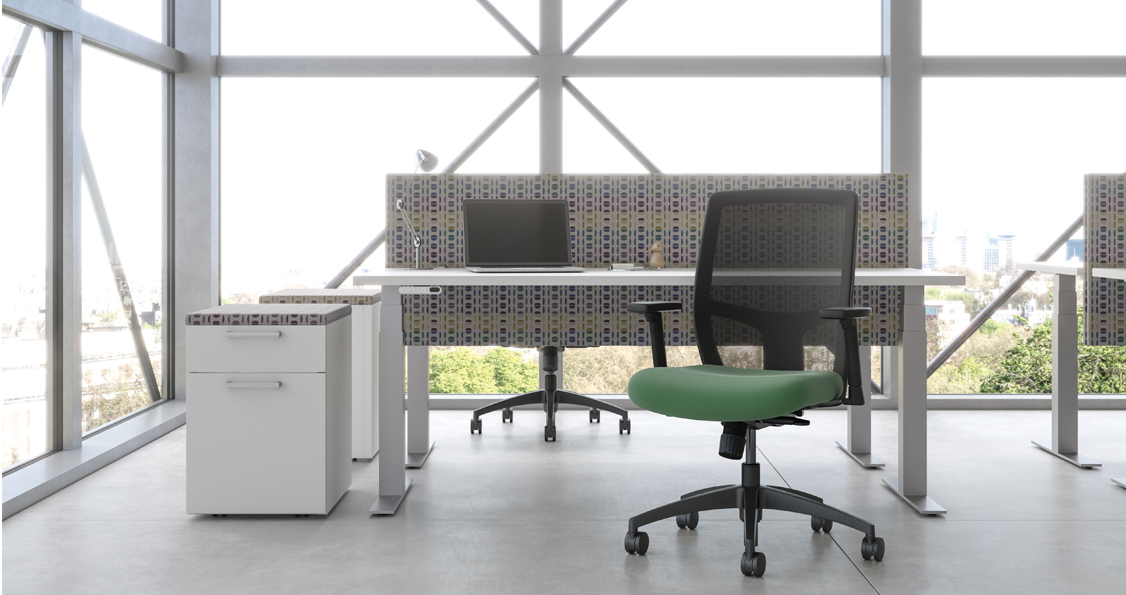
Five modern ergonomic office chairs with varied mesh backs, upholstered seats, adjustable arms, and rolling bases.

01 Your employees sit for long periods

Task seating needs to support daily use, movement, adjustability, and comfort across different users. We evaluate seating that fits the work being done and the workstation environment around it.

02 Your meeting rooms need to work better

Conference seating should support attention, comfort, room image, technology use, and longer conversations without making the space feel crowded or overdesigned.

03 Your guest areas shape first impressions

Reception, lobby, waiting, and private office guest seating influence how visitors experience your organization. MBI helps balance comfort, durability, style, and space planning.

04 Your shared spaces need more flexibility

Training rooms, classrooms, multipurpose rooms, and collaboration areas often need seating that moves, stacks, nests, stores, or resets easily.

05 Your high-use spaces need durability

Healthcare, education, government, senior living, and public spaces need seating that can hold up to frequent use while still feeling comfortable and appropriate for the environment.

05 Your seating needs to support a standard

For organizations with multiple departments, floors, or locations, seating standards can make future planning, pricing, ordering, replacement, and maintenance easier.

The right seating depends on the user, the setting, and the work happening there.

A task chair, conference chair, guest chair, lounge piece, café stool, and training chair all solve different problems. We help compare seating options based on comfort, application, scale, finish, performance, cleanability, and how the product fits into the larger furniture plan.

01

Task & Work Seating

Support the people who use the space every day.

Task seating needs to work harder than almost any other furniture selection. It supports focused work, long periods of use, movement, posture changes, and different body types across the workday. Our team helps evaluate adjustability, comfort, durability, seat scale, arm options, lumbar support, finish direction, and how the chair coordinates with the workstation or private office.

This is especially important for assigned workstations, shared work points, administrative areas, call centers, private offices, and hybrid settings where the same chair may need to support multiple users.

02

Conference & Meeting Seating

Keep people comfortable, focused, and engaged through the meeting.

Meeting spaces need seating that supports conversation, technology, movement, and the tone of the room. A boardroom, client-facing conference room, huddle space, and internal meeting room may all need different levels of comfort, polish, flexibility, and scale. Together, we choose seating that fits the length and type of meetings, the shape of the table, the available circulation, the room’s technology, and the impression the space needs to make.

03

Guest & Side Seating

Make short stays feel considered, comfortable, and professional.

Guest seating supports the moments around the work: waiting, visiting, meeting, consulting, interviewing, and gathering. These chairs need to be comfortable enough to welcome people, durable enough for repeated use, and sized correctly for the spaces they serve.

We work with clients to select guest and side seating for private offices, reception areas, healthcare waiting areas, education offices, public spaces, and meeting-adjacent settings.

04

Lounge & Soft Seating

Create places people actually want to use.

Lounge seating can change how a space feels and how people behave in it. It can support casual meetings, waiting, focused work, student gathering, staff respite, collaboration, and informal connection. MBI helps clients choose lounge pieces that bring warmth and comfort while still meeting commercial performance needs.
 

05

Café, Stools & Counter-Height Seating

Support quick connections, casual work, and spaces with more movement.

Café seating and stools are useful when people are not meant to sit in one place all day. They can support break areas, cafés, touchdown zones, standing-height tables, collaboration areas, labs, libraries, training spaces, and social settings.

We help think through seat height, comfort, foot support, durability, cleanability, storage, and how the seating supports the energy and pace of the space.

06

Multipurpose, Stacking & Nesting Seating

Make flexible rooms easier to reset and reuse.

Some spaces need to change constantly. Training rooms, classrooms, multipurpose rooms, event spaces, community rooms, and collaboration areas often need seating that can move, stack, nest, store, or reconfigure quickly.

Our team helps choose flexible seating that supports the room’s different uses without becoming difficult to manage, move, or maintain.

07

High-Use & Specialized Seating

Choose seating that holds up to the realities of the environment.

Some environments demand more from seating. Healthcare, education, senior living, government, public-facing spaces, and high-traffic areas may require stronger attention to durability, cleanability, user comfort, mobility, weight capacity, arms, moisture barriers, material selection, and replacement planning.

That means evaluating seating based on the demands of the space, not just the way the product looks in a photo.

Strong seating options start with the right partner mix.

MBI works with manufacturer partners that support a wide range of seating needs, from practical task chairs to refined conference seating, guest chairs, lounge settings, stools, and flexible multipurpose seating. The goal is not to lead with a brand name. The goal is to compare the right options based on use, comfort, durability, cleanability, lead time, budget, and the experience the space needs to create.
Allsteel commercial office furniture logo in black
Gunlocke office furniture logo in black on a transparent background
HON commercial office furniture logo in bright green

Ready to choose seating that fits the people and the space?

You do not need to know the exact chair before starting the conversation. Tell us where the seating will be used, who will use it, and what the space needs to support. MBI can help compare options and build a seating plan that balances comfort, durability, style, budget, and long-term value.

faqs

How do we know what type of seating is right for each space?
Start with how the seat will be used. A task chair, conference chair, guest chair, lounge piece, stool, and training chair all support different activities. We evaluate who will use the seating, how long they will sit, how often the space changes, and what the environment needs from the product.
Task chairs should be evaluated for comfort, adjustability, durability, user range, arm options, lumbar support, seat depth, fabric or mesh options, and how the chair works with the workstation. The goal is to support daily work, not just select a chair that looks good.
Not always. Standardization can simplify purchasing, replacement, and long-term support, but some users or departments may need different seating based on job function, time spent sitting, workstation type, or ergonomic needs. MBI can help create seating standards that are consistent without being too rigid.
Task seating is designed for daily individual work and usually requires more adjustability. Conference seating is designed for meeting environments and often balances comfort, scale, mobility, and room image. Some chairs can support multiple uses, but the application should drive the decision.
Yes. MBI can help evaluate seating options that support comfort, adjustability, and daily use. We keep the conversation practical by looking at the user, workstation setup, work habits, and the level of adjustability needed.
Shared seating should support a wider range of users and be easy to adjust. Durability, cleanability, intuitive controls, and broad comfort are especially important when multiple people use the same work point.
Yes. Lounge seating, guest chairs, softer forms, warmer materials, stools, benches, poufs, and hospitality-inspired pieces can help commercial spaces feel more welcoming while still meeting durability and performance needs.
Yes. These environments require seating decisions that consider durability, cleanability, comfort, arms, mobility, traffic level, user needs, and long-term maintenance. MBI can help compare products that fit the demands of the environment.
Seating should be discussed early enough to coordinate with layouts, desk heights, tables, room sizes, finishes, upholstery, lead times, installation, and budget. Waiting too long can limit options or create mismatches with the rest of the space.
Yes. MBI can help organizations create seating standards for workstations, private offices, conference rooms, training spaces, reception areas, and other recurring settings. This can make future projects easier to price, order, maintain, and replace.