When people take individual calls or video meetings in larger meeting rooms, it usually means the space lacks enough smaller private options. Pods and focus areas can help free up meeting rooms for group work.
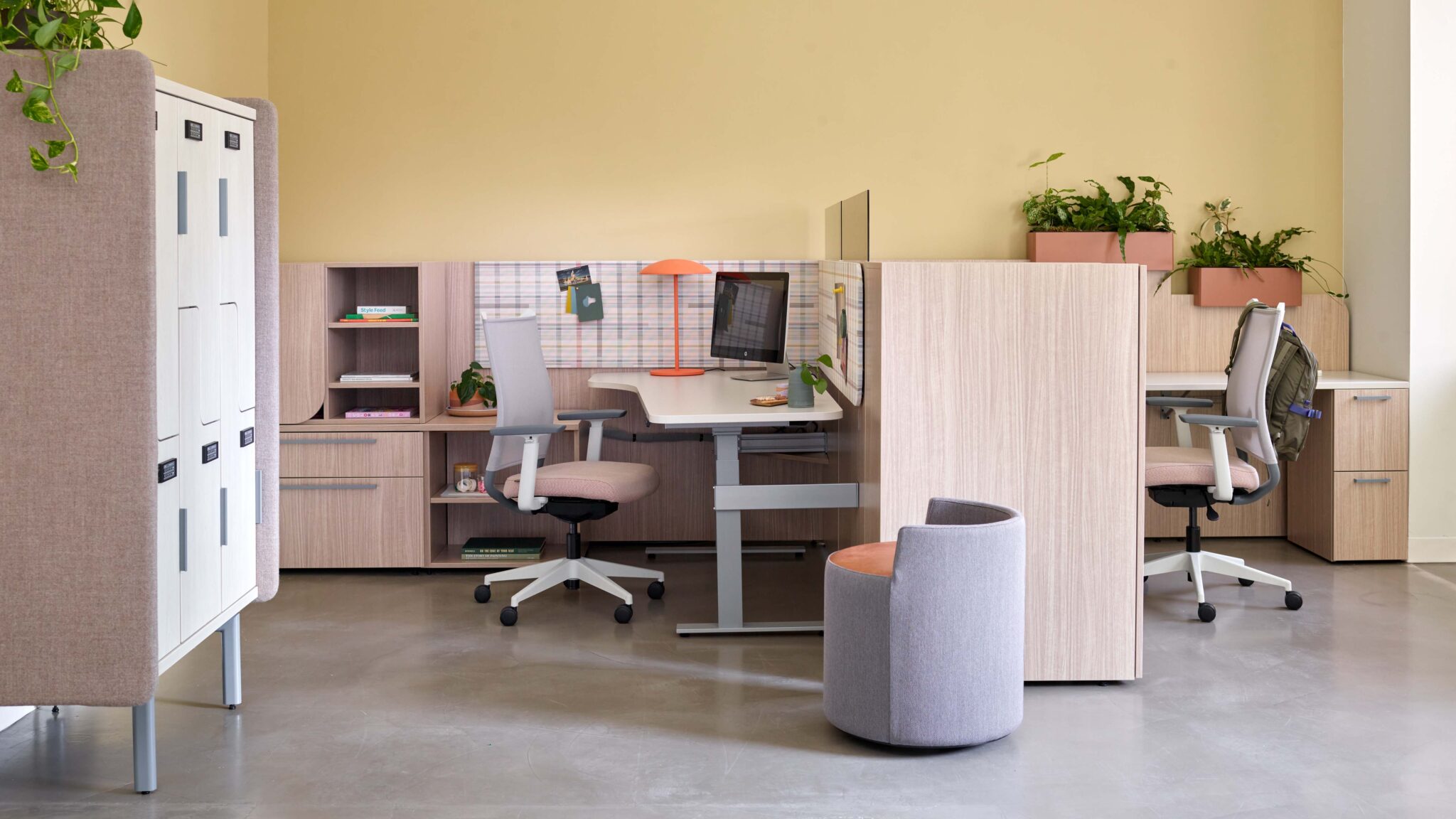
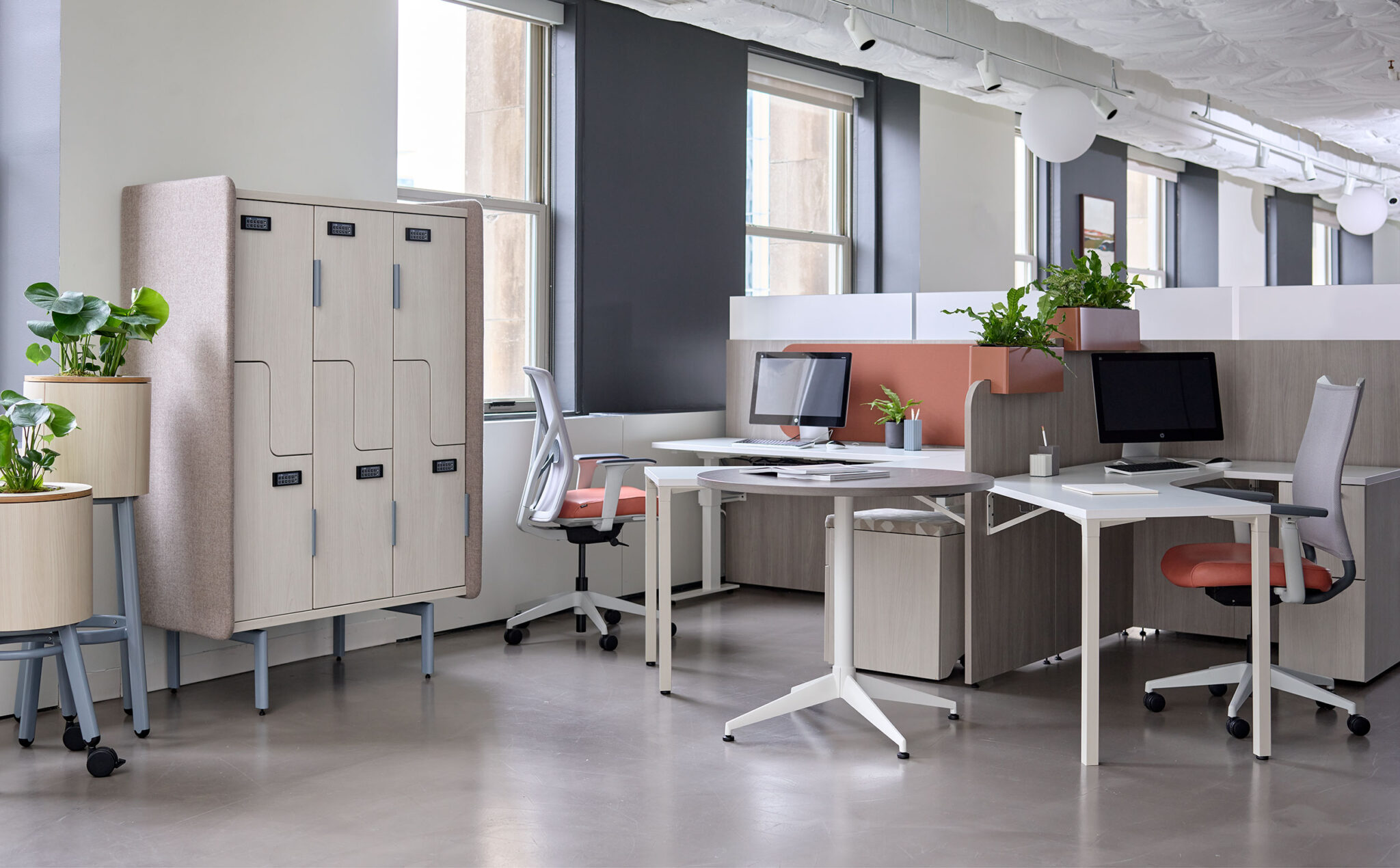
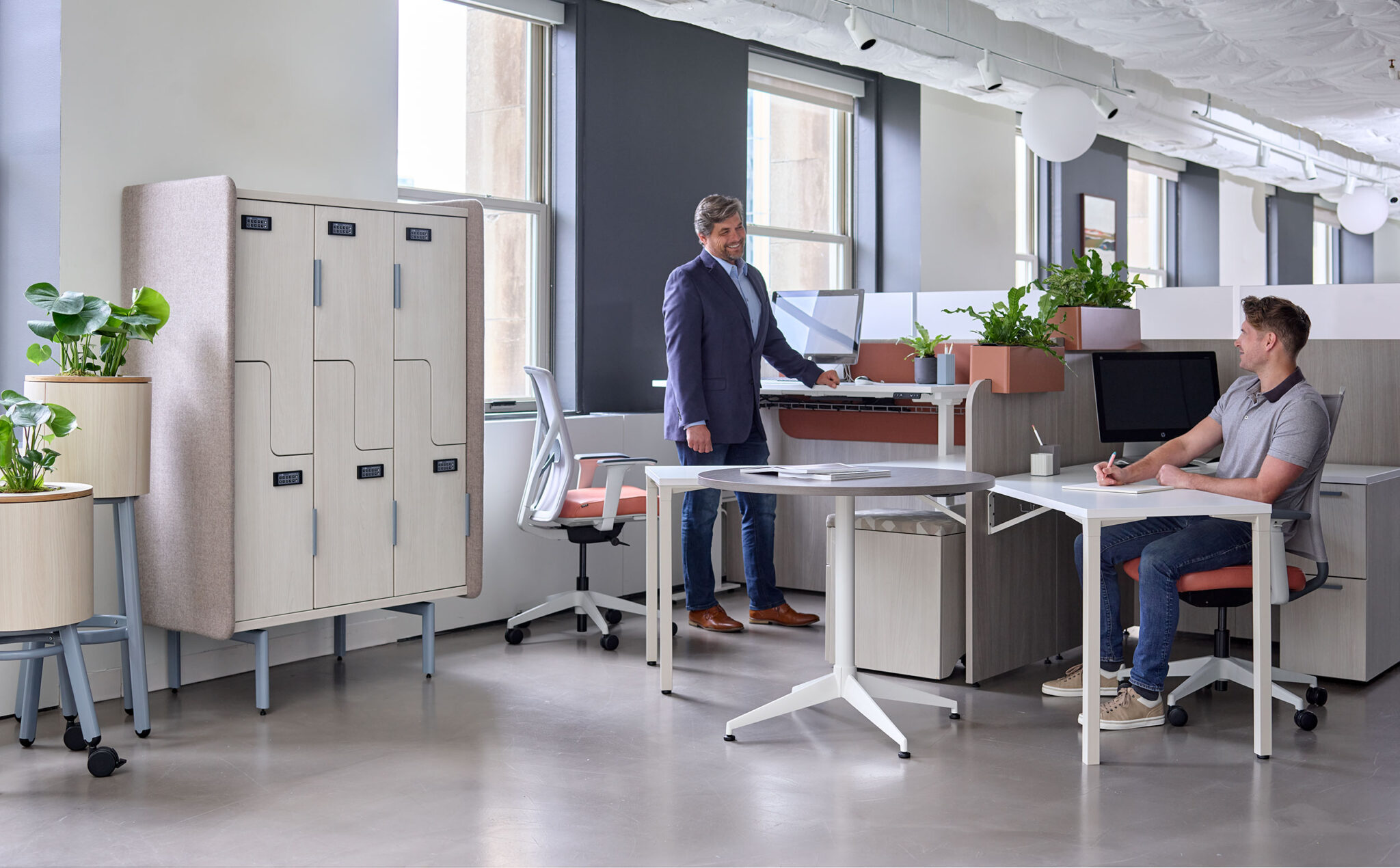
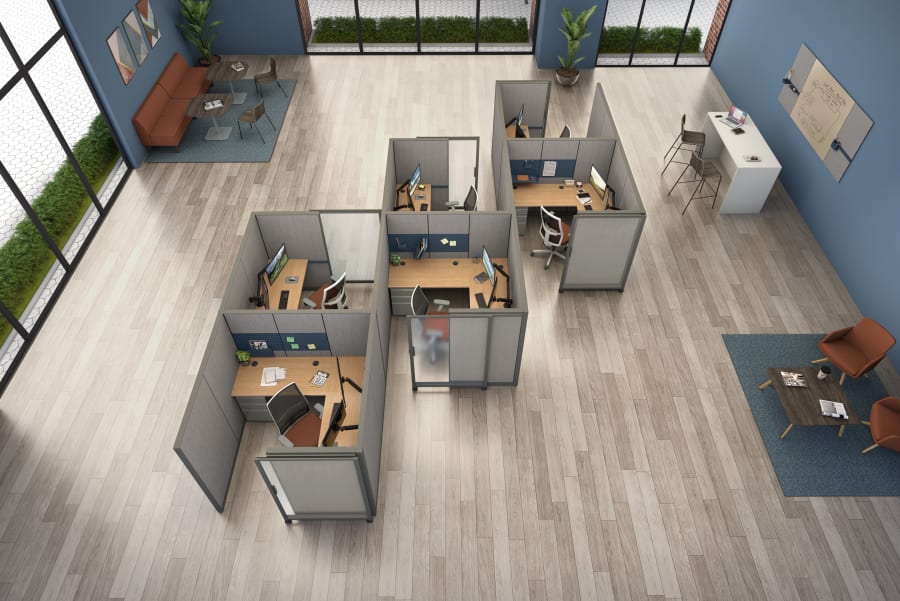
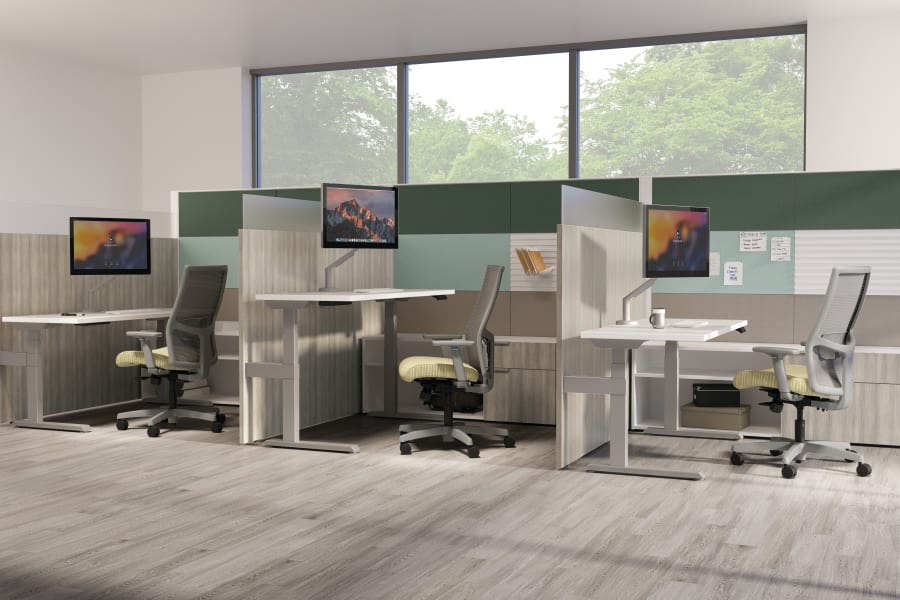
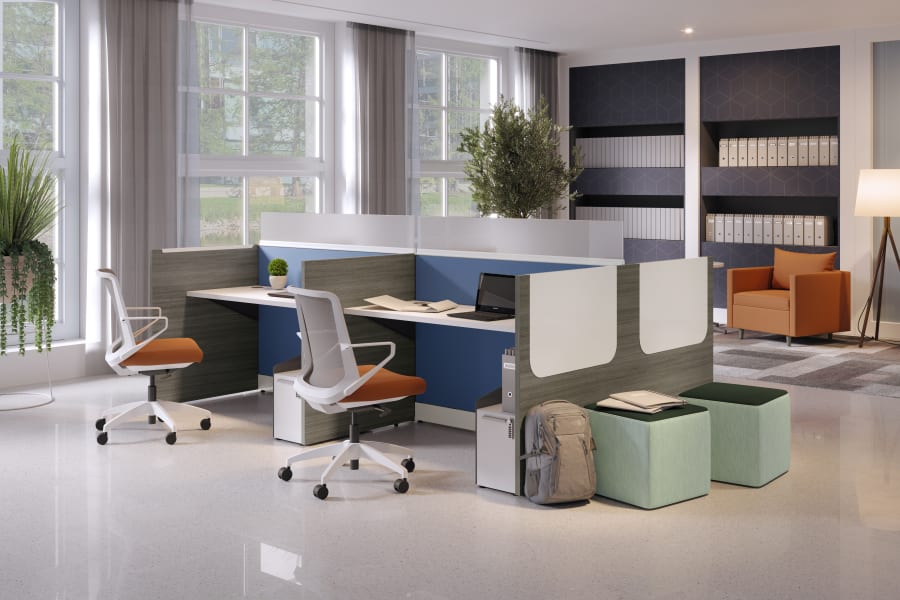
Open spaces can support visibility and collaboration, but people still need somewhere to concentrate. Quiet zones can help create a better balance between shared energy and individual focus.
Video meetings need more than a chair and a laptop. Lighting, sound, seating, power, monitor support, and privacy all affect the user experience. We help evaluate focus spaces that support hybrid work without disrupting the rest of the office.
Education spaces often need a mix of collaboration and focus. Pods, screens, acoustic furniture, and quiet zones can support study, tutoring, testing, video calls, and small-group work.
Staff and support spaces may need quieter settings where people can step away from high-activity environments. Our team helps consider comfort, durability, cleanability, privacy, and placement.
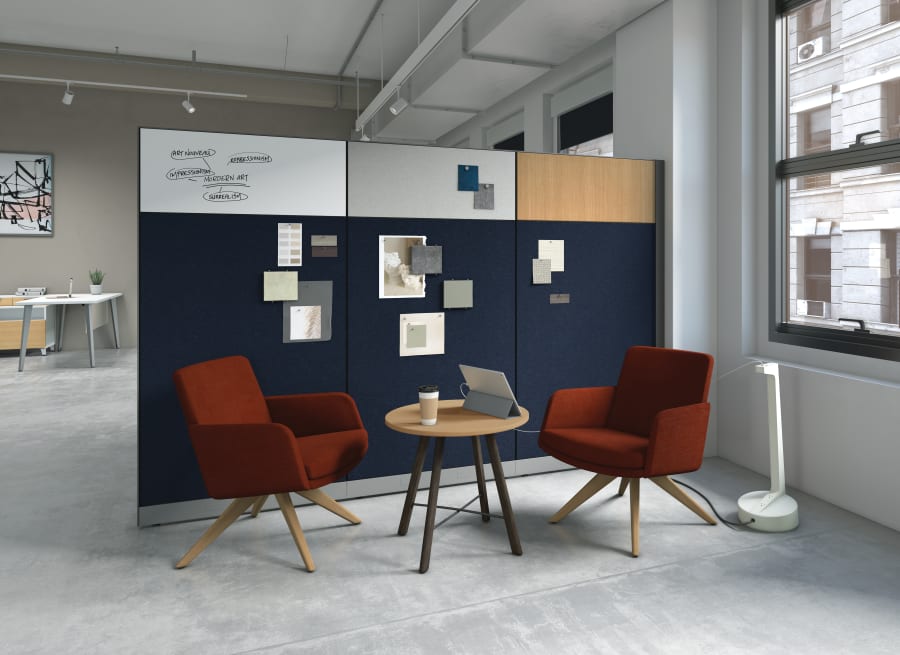
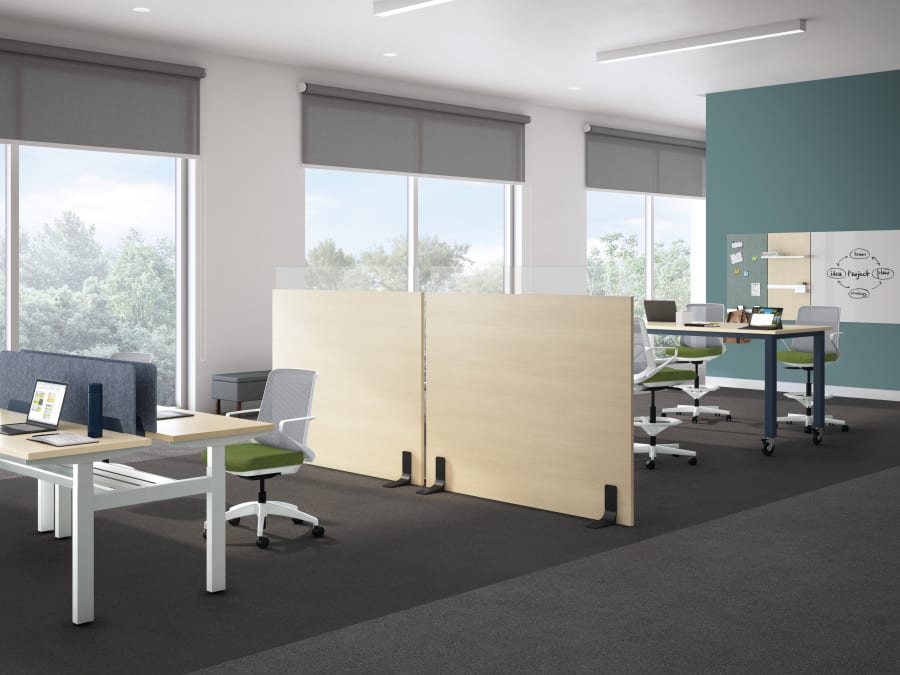
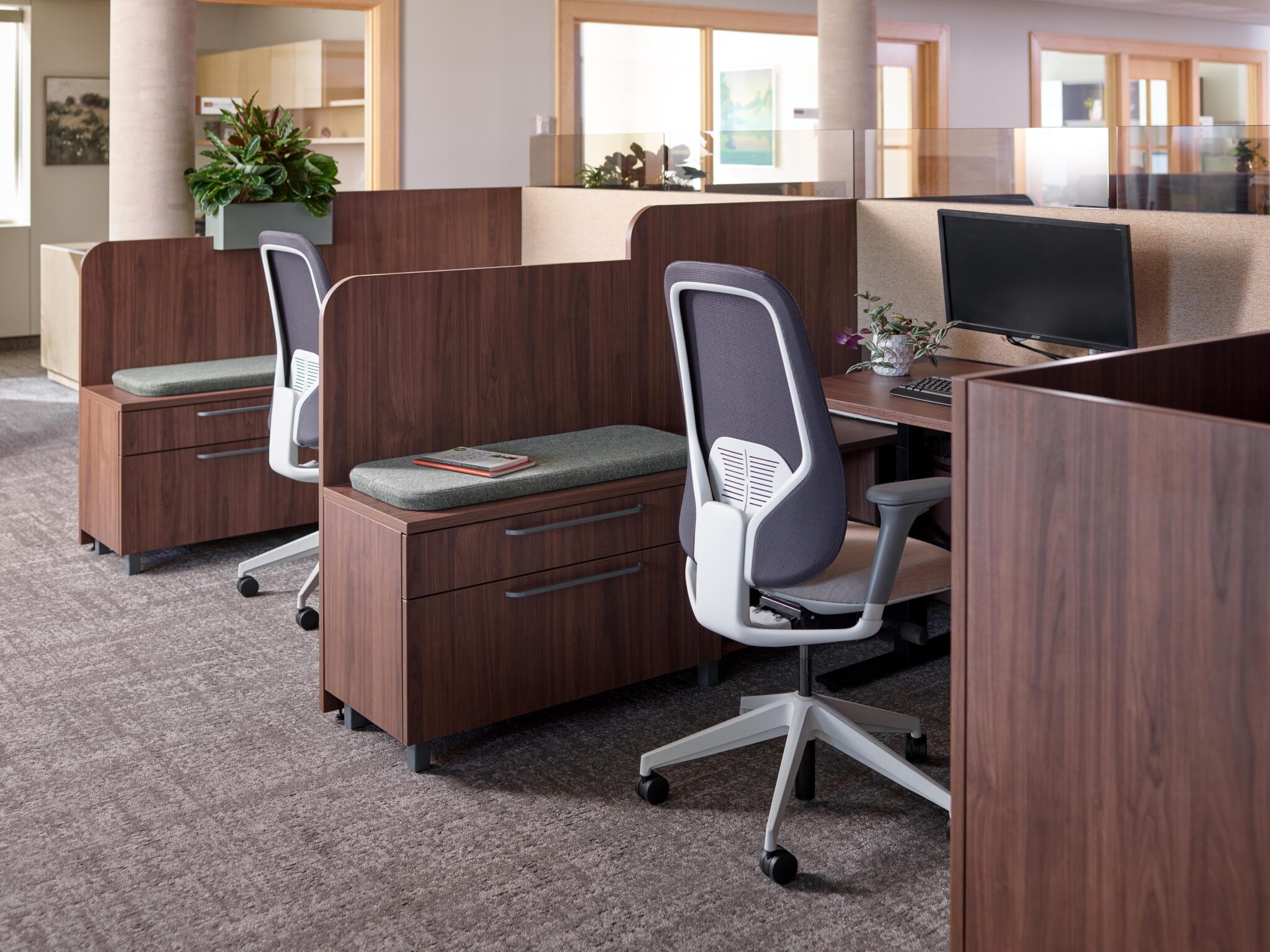
Not every quiet zone needs to be a fully enclosed pod. High-back seating, acoustic screens, freestanding dividers, soft seating, ceiling products, and furniture groupings may create the right level of separation without overbuilding the space.
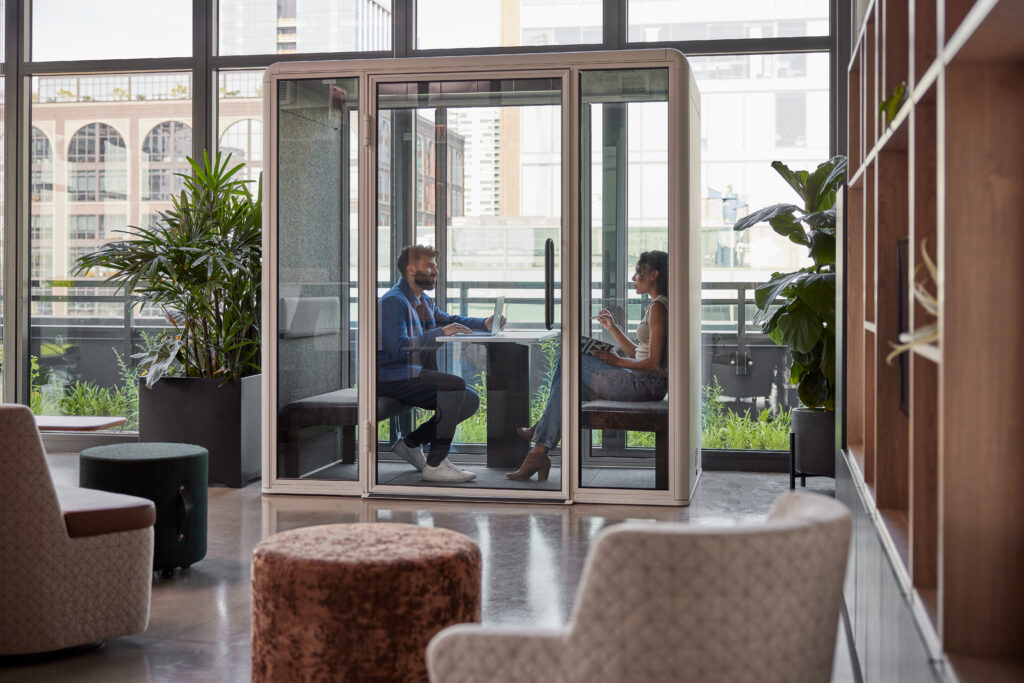
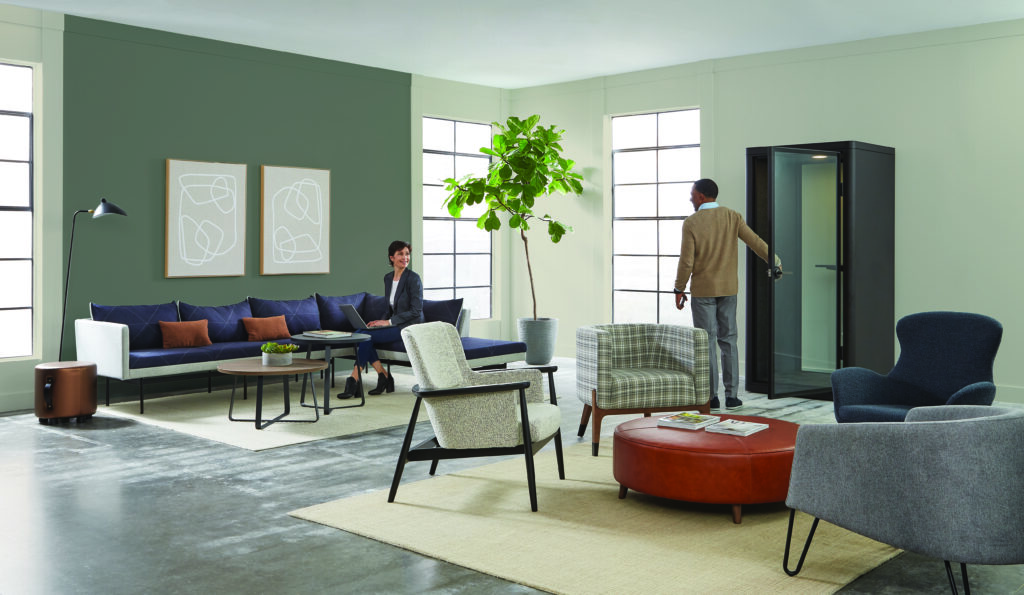
Phone booths and call pods can help reduce disruption in open areas by giving people a defined place for calls, short video meetings, and private conversations. They can be especially useful when larger conference rooms are being occupied by one person at a time.
We work with clients to evaluate where call pods should be placed, how many may be needed, what technology they should support, and how they should coordinate with workstations, meeting rooms, power access, and circulation.
Solo focus pods can support writing, reading, heads-down work, research, planning, or short periods of concentration. These spaces are useful when people need a break from open activity but do not need a full private office.
MBI helps clients compare size, seating posture, work surface needs, ventilation, lighting, power, acoustic expectations, accessibility, and placement so the pod becomes useful rather than just another object in the space.
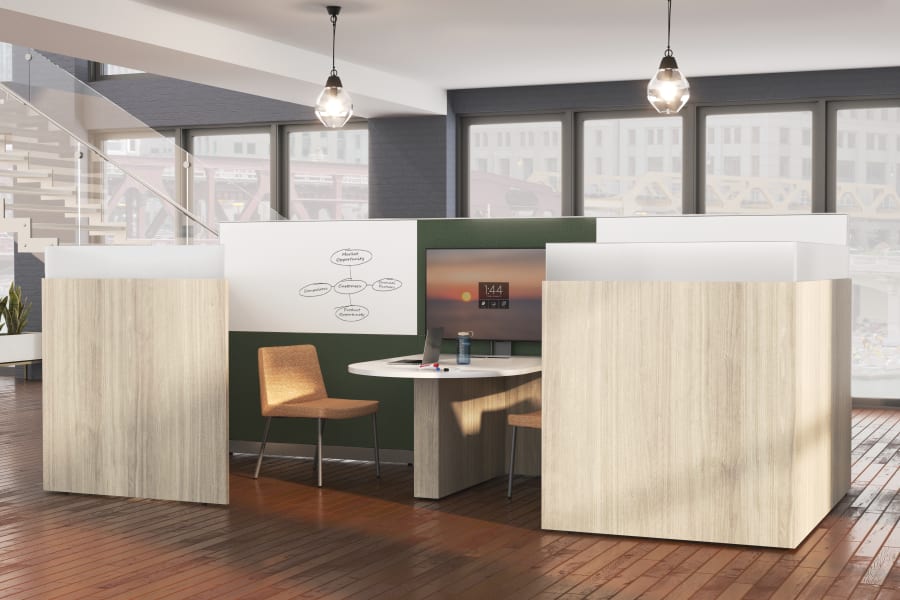
Small collaboration pods can provide a place for one-on-ones, coaching conversations, quick project reviews, interviews, or small-group check-ins. These settings can reduce pressure on larger meeting rooms while giving teams a more controlled place to connect.
We help evaluate seating, table size, monitor support, power, lighting, acoustic comfort, and how the pod should sit near workstations, lounge areas, or collaboration zones.
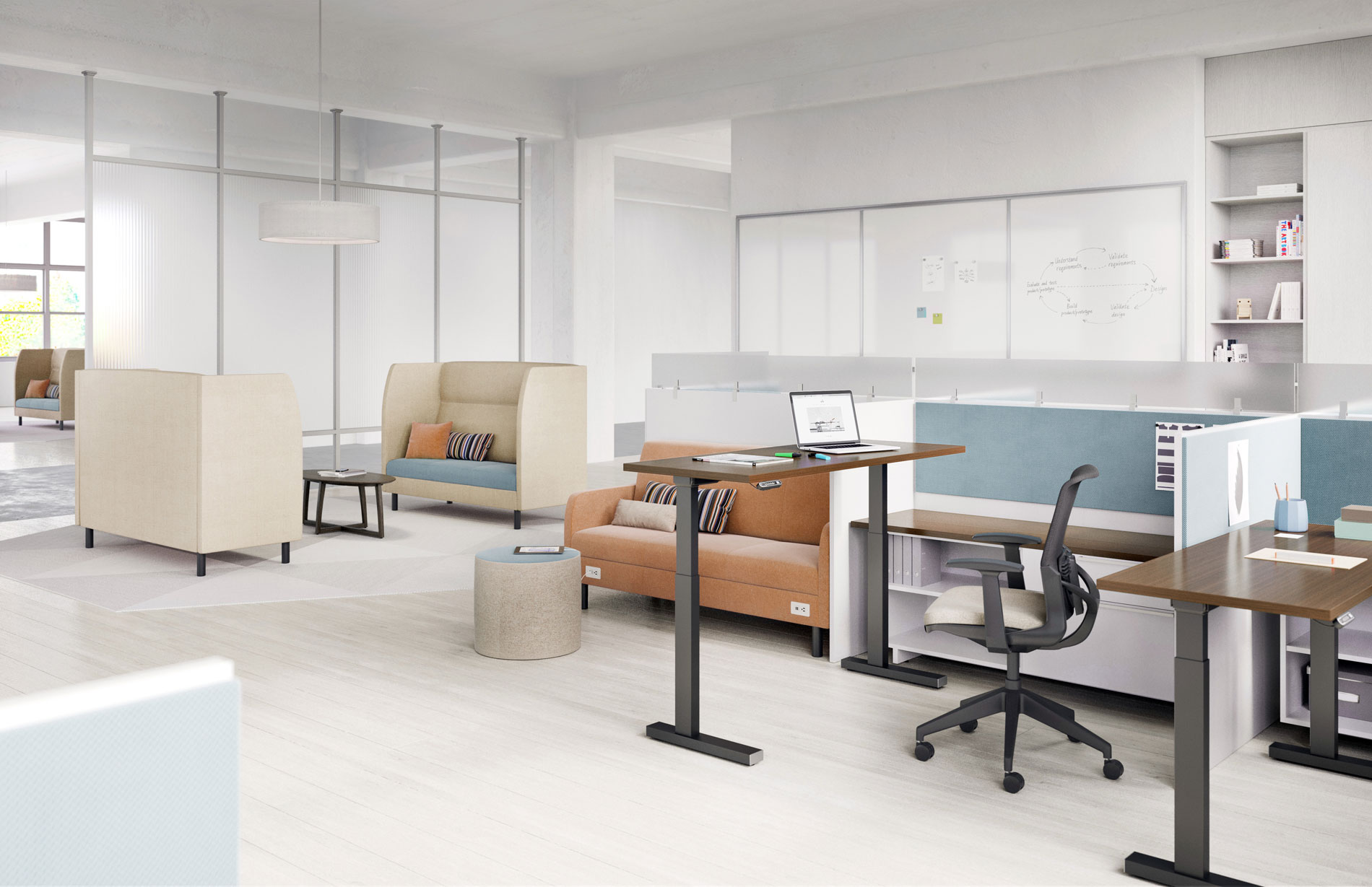
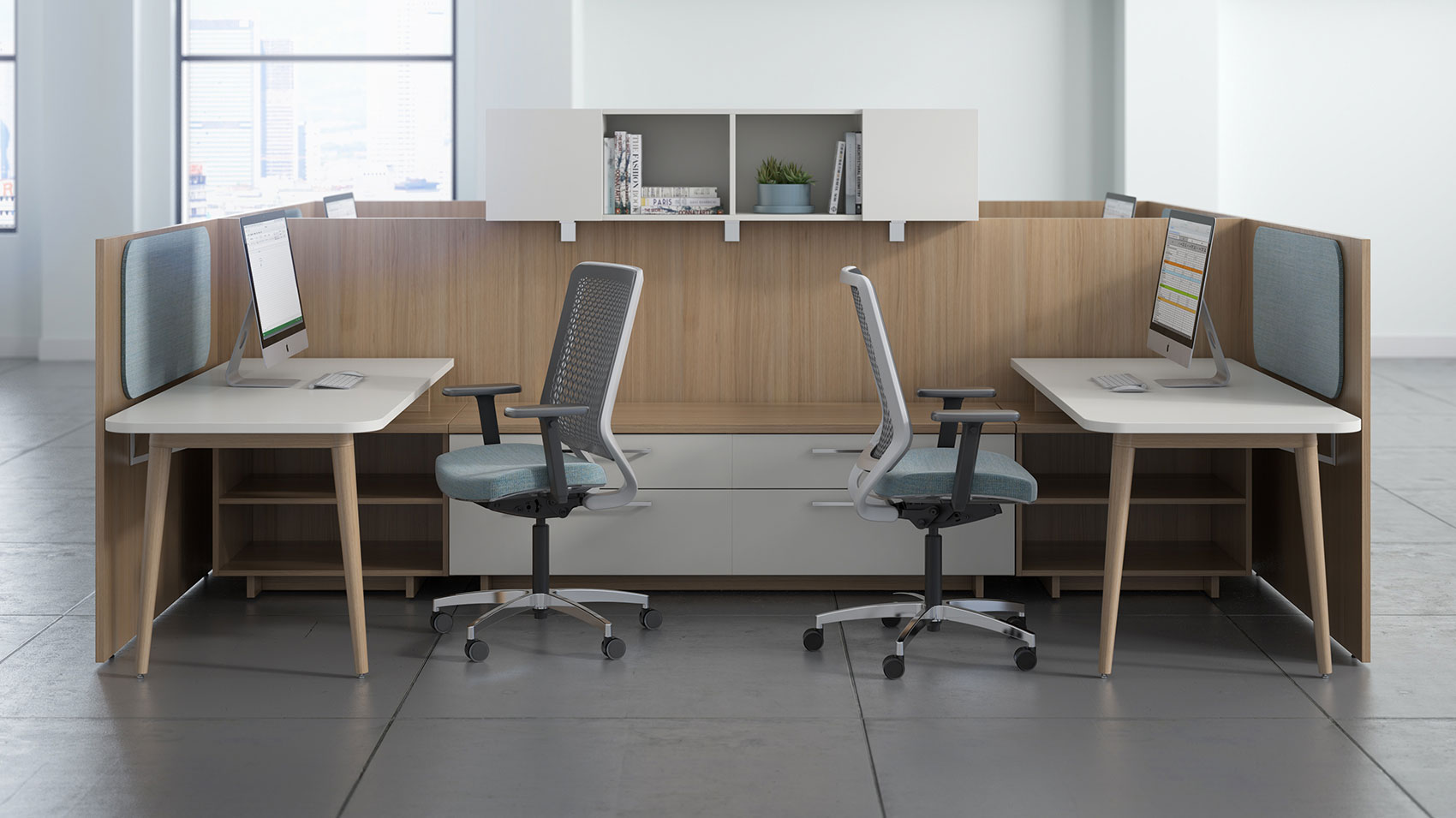
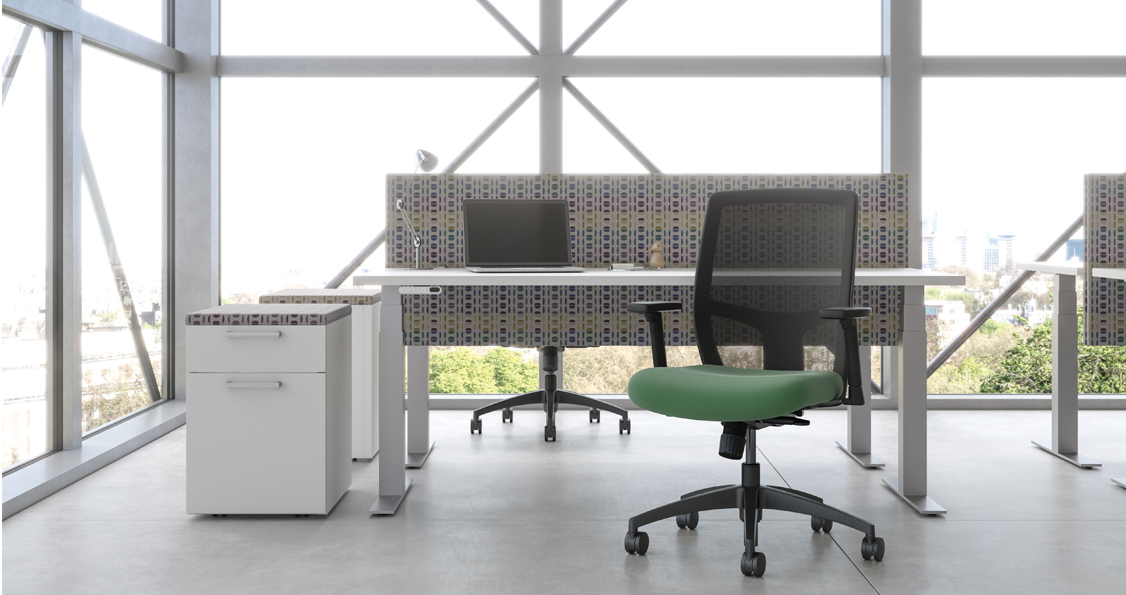
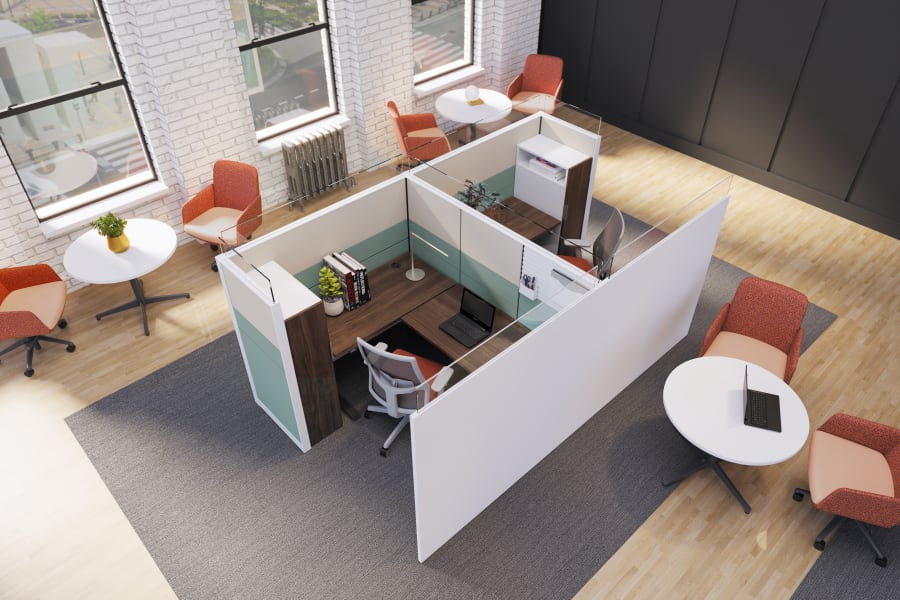
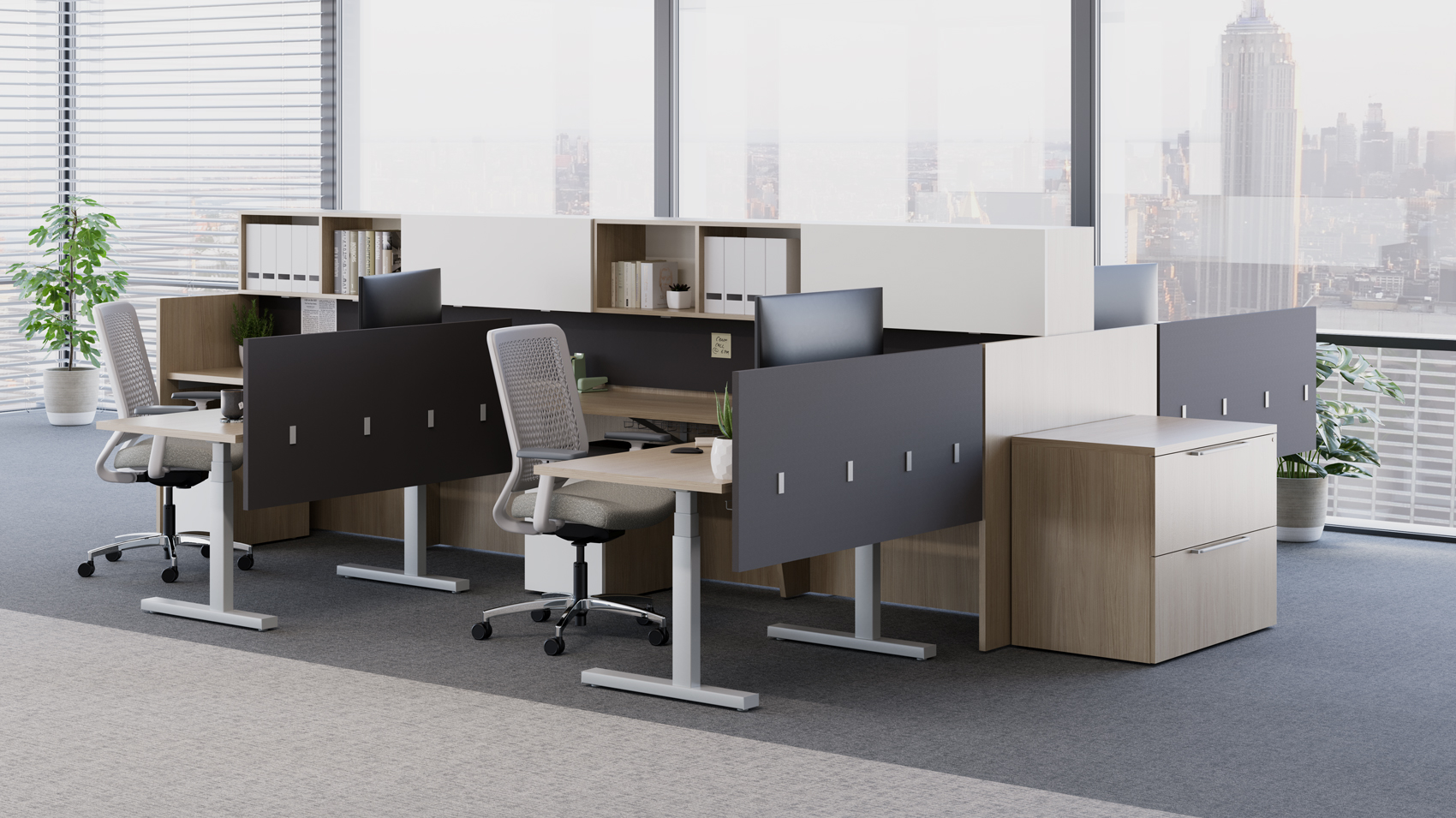
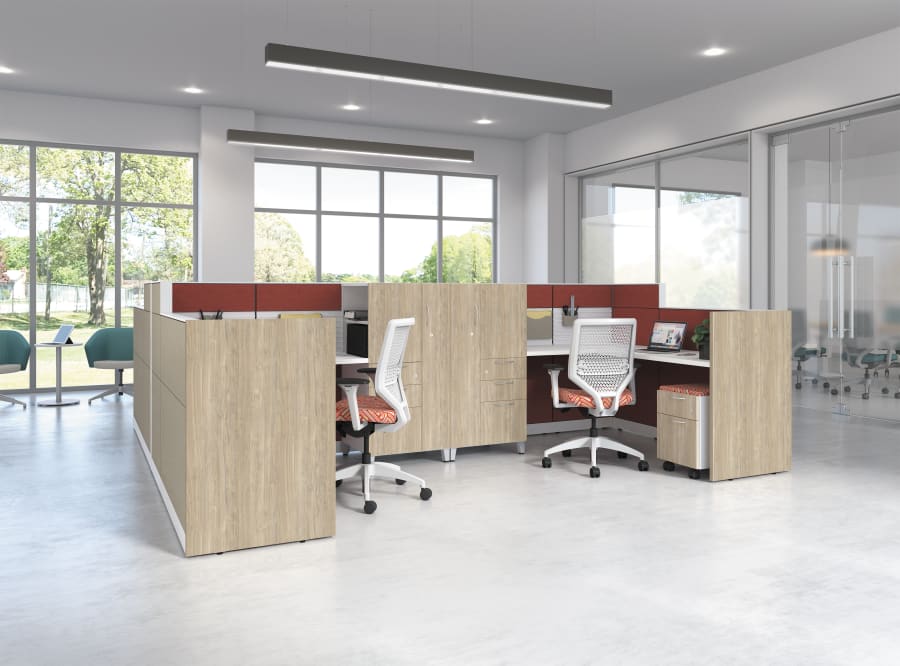
A quiet zone does not always have to be enclosed. Sometimes the right approach is a defined area with acoustic treatments, soft seating, visual boundaries, workstation screens, or furniture groupings that signal a different behavior.
Our team helps plan quiet zones that support focus without isolating people from the larger environment. This can be useful in workplaces, libraries, student centers, healthcare support areas, administrative spaces, and shared buildings.
Some focus areas should feel less like a booth and more like a comfortable retreat. Acoustic lounge seating, high-back chairs, screens, small tables, and soft materials can support focused work, waiting, short calls, or a moment of reset.
Learning environments need variety. Students, faculty, staff, and visitors may need places for quiet study, tutoring, remote class participation, testing, small meetings, or individual work. Pods, screens, acoustic furniture, and quiet zones can help create that variety without making every area a closed room.
Our team helps consider durability, flexibility, acoustic comfort, access to power, visibility, supervision, furniture layout, and how the space may need to change throughout the day.
Quiet spaces should support a variety of users and needs. Some people may need a larger pod, a seated space, a standing-height option, accessible clearance, better lighting control, lower visual stimulation, or a different level of privacy.


A pod is usually a product-based enclosed or semi-enclosed solution. A quiet zone may be created with pods, furniture, screens, acoustic treatments, space planning, or a combination of products. The right choice depends on how much privacy, acoustic support, and flexibility the space needs.
Not always. Some pods provide strong acoustic separation, but “soundproof” should only be used when a specific product documents that performance. Most pods are better described as privacy and sound-management solutions.
That depends on headcount, work styles, meeting patterns, hybrid work activity, conference room usage, and how often people need private calls or focused work. MBI can help evaluate the right mix rather than guessing.
They should be easy to find but not placed where they create congestion or distraction. Placement should consider workstations, meeting rooms, lounges, power access, visibility, circulation, acoustics, and user behavior.
Yes. Quiet zones can also be created with acoustic furniture, high-back seating, screens, freestanding dividers, ceiling treatments, wall panels, storage placement, and thoughtful layout.
Yes, many pods can support video meetings, but product details matter. Lighting, ventilation, seating, camera angle, power access, monitor support, and acoustic performance all affect the user experience.
No. Pods and quiet zones can support education spaces, libraries, healthcare administration, senior living staff areas, government offices, public-sector spaces, commercial real estate amenities, and other shared environments.
Some pod products are more movable or reconfigurable than others. Movement depends on product size, power requirements, ventilation, assembly method, flooring, access path, and manufacturer instructions. MBI can help evaluate what is realistic.
No. They support a different need. Quiet zones and pods are often best for calls, focused work, short video meetings, or small conversations. Conference rooms are still needed for larger meetings, group collaboration, and presentations.
Start with the behavior you are trying to support. Tell MBI whether people need places for calls, video meetings, focus work, quiet study, confidential conversations, or short-term retreat. From there, we can help compare pods, quiet zones, acoustic furniture, screens, and modular wall options.