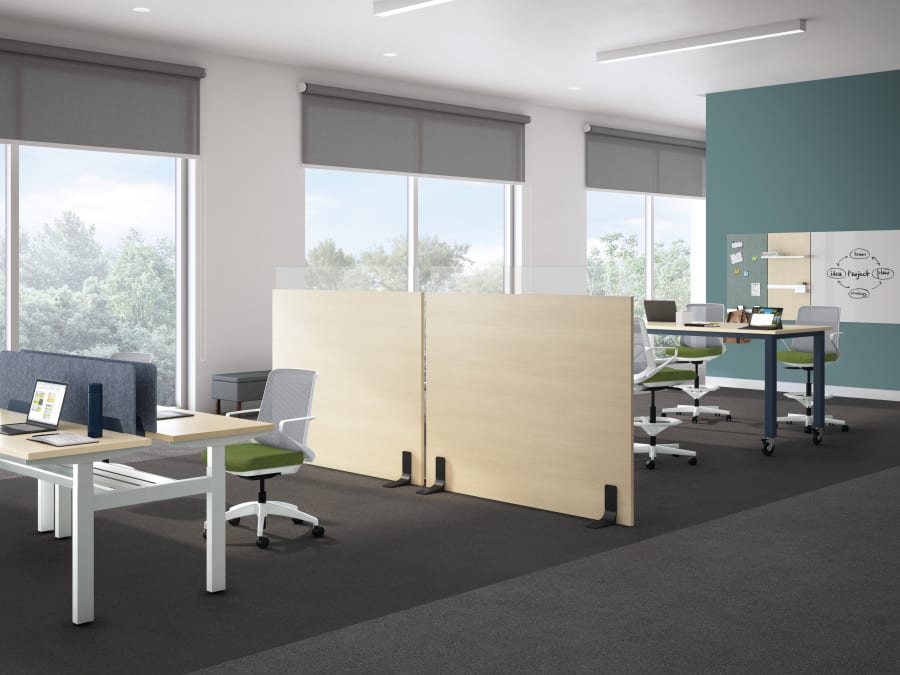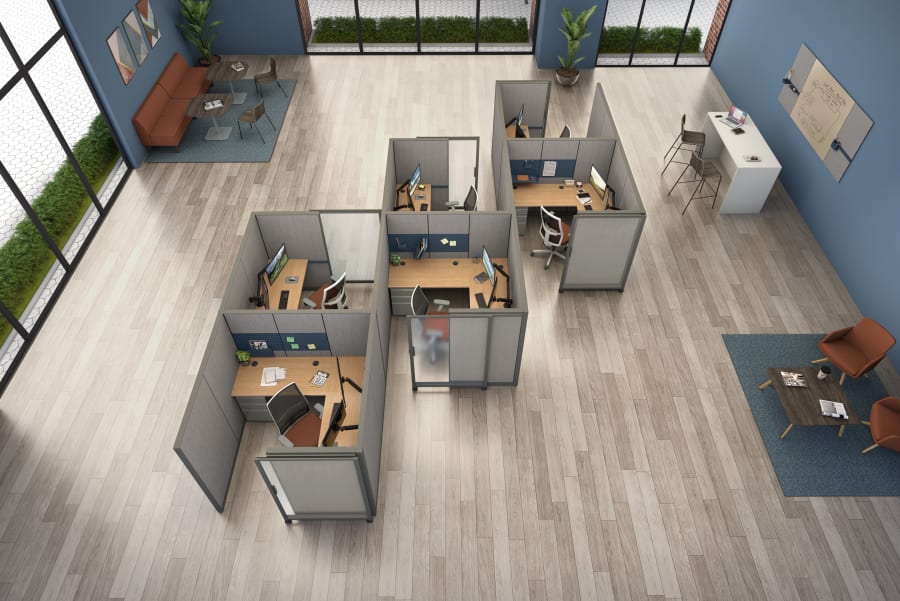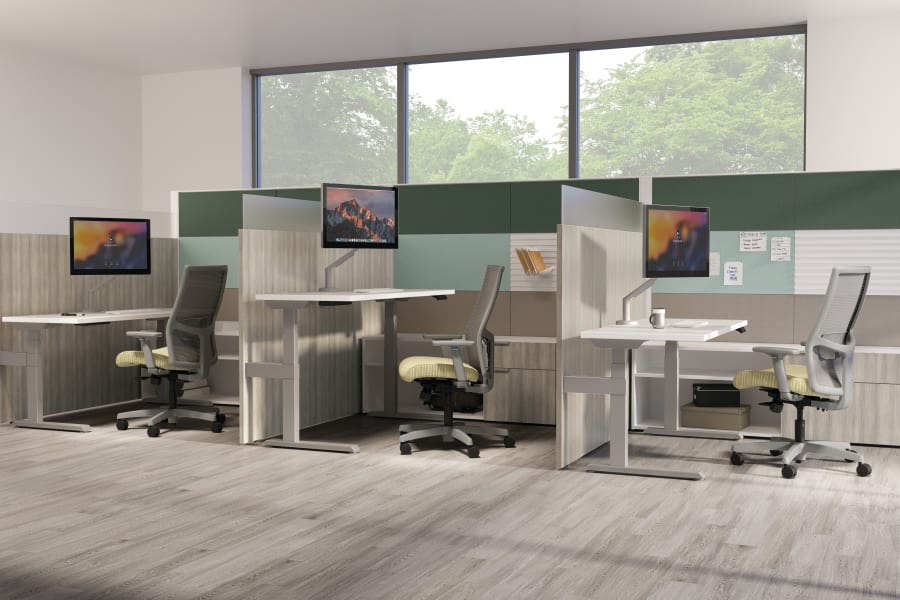
Open offices, libraries, student centers, cafés, and shared work environments often need places where people can step away from surrounding activity. Acoustic furniture can create softer, more focused settings without fully enclosing the space.
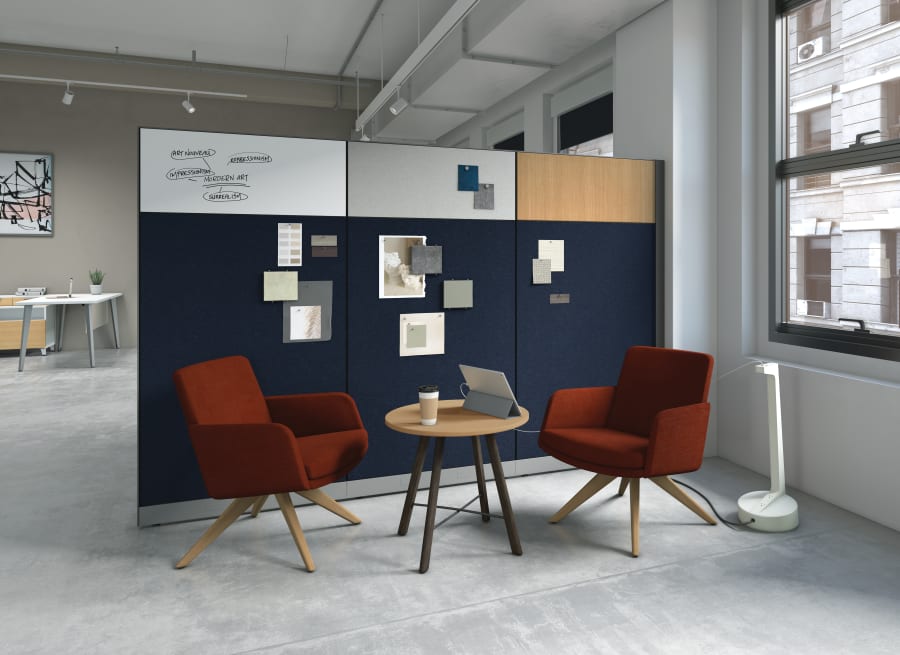
A lounge setting can do more than look inviting. With the right seating height, surrounding panels, table support, power access, and acoustic properties, it can support focused work, short meetings, calls, and quiet retreat.
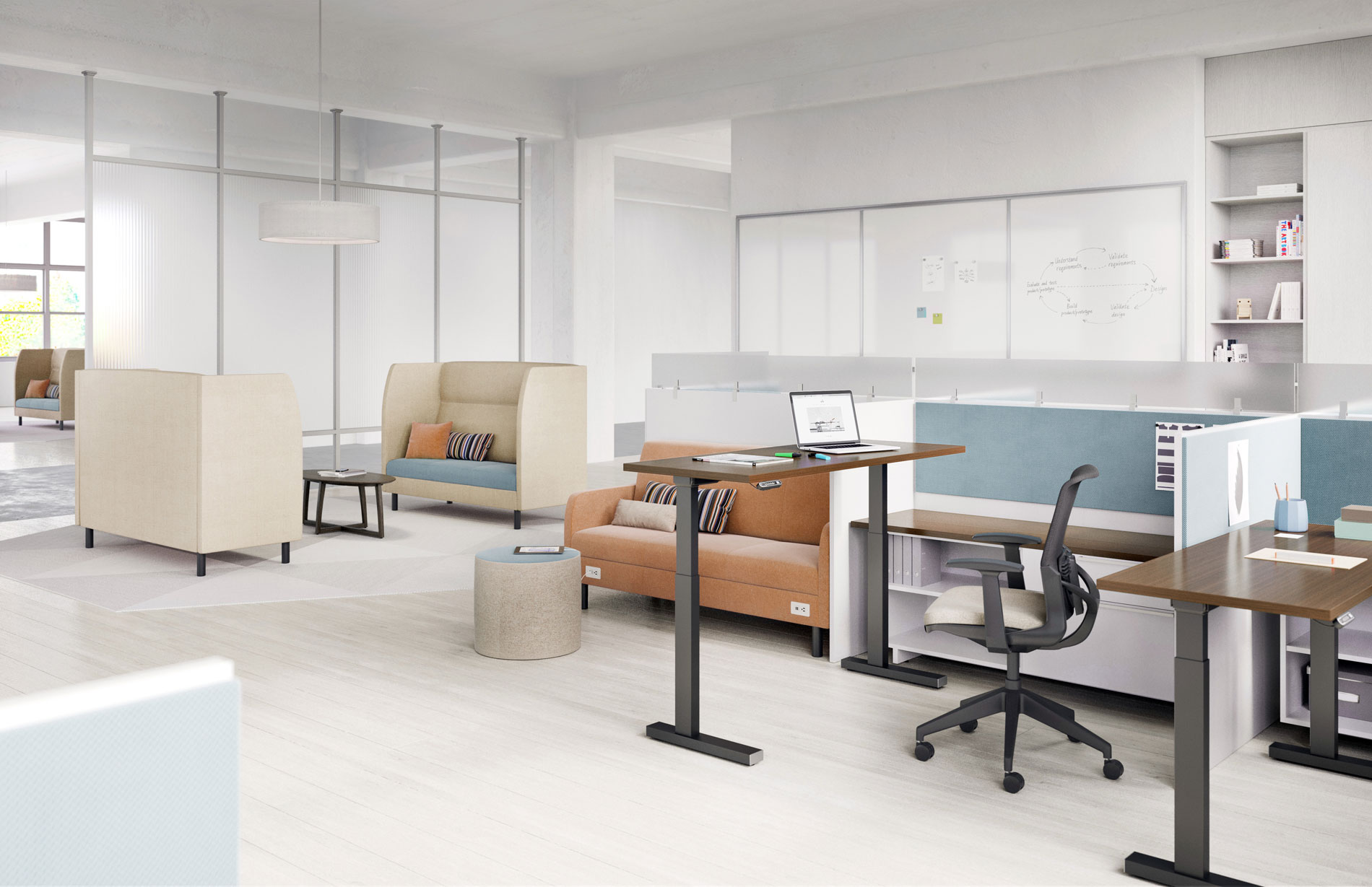
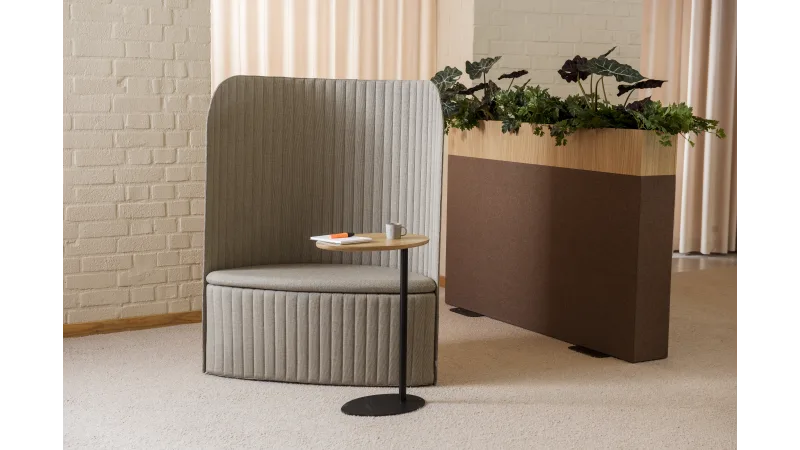
Some users need a sense of privacy, but not a fully enclosed space. High-back seating, booth-style furniture, acoustic lounge pieces, and integrated screens can help create a softer boundary.
Healthcare waiting areas, lobbies, senior living lounges, student areas, and public-facing spaces often need comfort and acoustic softness. Furniture-based acoustic solutions can help make these areas feel less harsh and more welcoming.
Not every task belongs at a workstation or conference table. Acoustic furniture can give people options for quiet work, informal meetings, phone calls, short breaks, or small group connection.
Furniture-based acoustics can feel more natural than adding panels after the fact. Zilenzio’s Focus Pod, for example, is described as a calm retreat with integrated seating and a table for comfort and privacy in open spaces.
High-back lounge seating can help create a more protected feeling within open environments. These pieces can support focused work, quiet waiting, informal conversations, or short breaks while still keeping the user connected to the larger space.
We work with clients to evaluate seat height, back height, upholstery, cleanability, comfort, surrounding noise, placement, power access, and whether the setting should support individual use or small-group conversation.
Booth-style seating and semi-private acoustic furniture can support quick meetings, one-on-ones, coaching conversations, study sessions, or informal collaboration. These settings can reduce pressure on conference rooms while giving people a more contained place to connect.
MBI helps clients think through how many people the setting should support, how open it should feel, whether technology is needed, and how it should sit within circulation and surrounding activity.
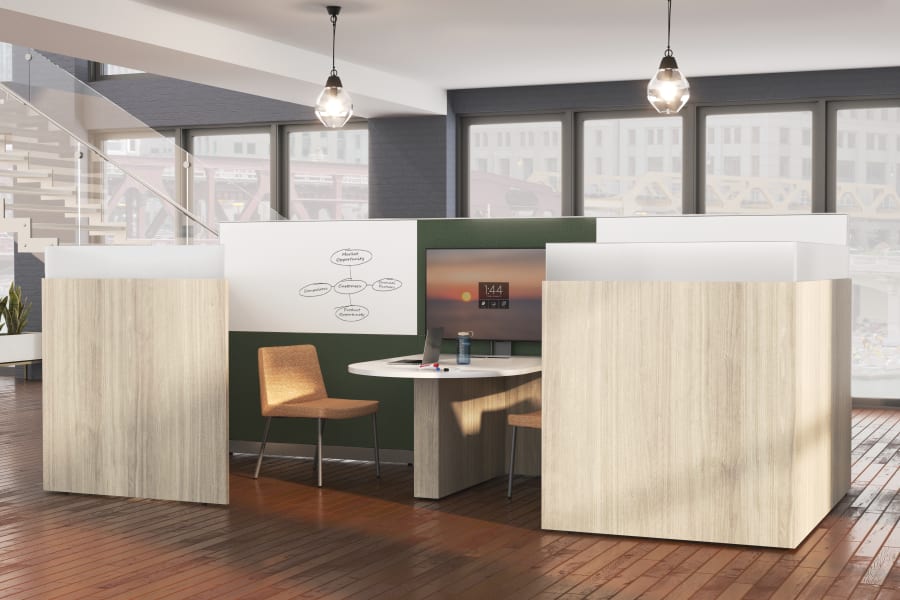
Focus lounge pods can provide a calmer setting for calls, short focus periods, reading, waiting, or quiet retreat. Unlike a full office pod, this type of solution may feel softer and more furniture-like while still adding visual privacy and acoustic comfort.
Waiting areas, lobbies, student centers, senior living lounges, and healthcare support spaces can feel loud or exposed when they rely only on standard seating. Acoustic furniture can help add softness, visual comfort, and a stronger sense of place.
We help evaluate seating that supports durability, cleanability, comfort, accessibility, traffic flow, and the emotional experience of the people using the space.
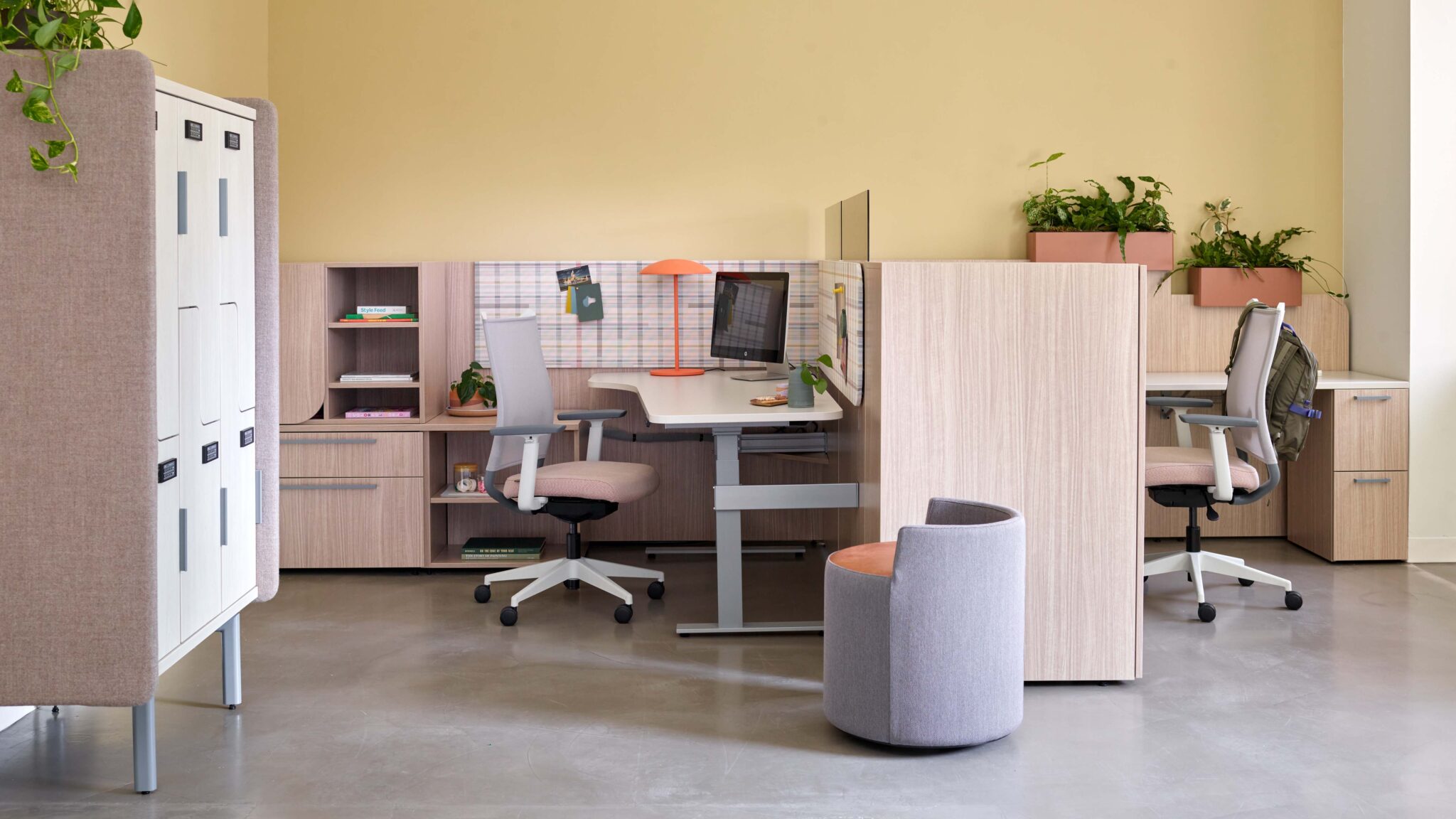
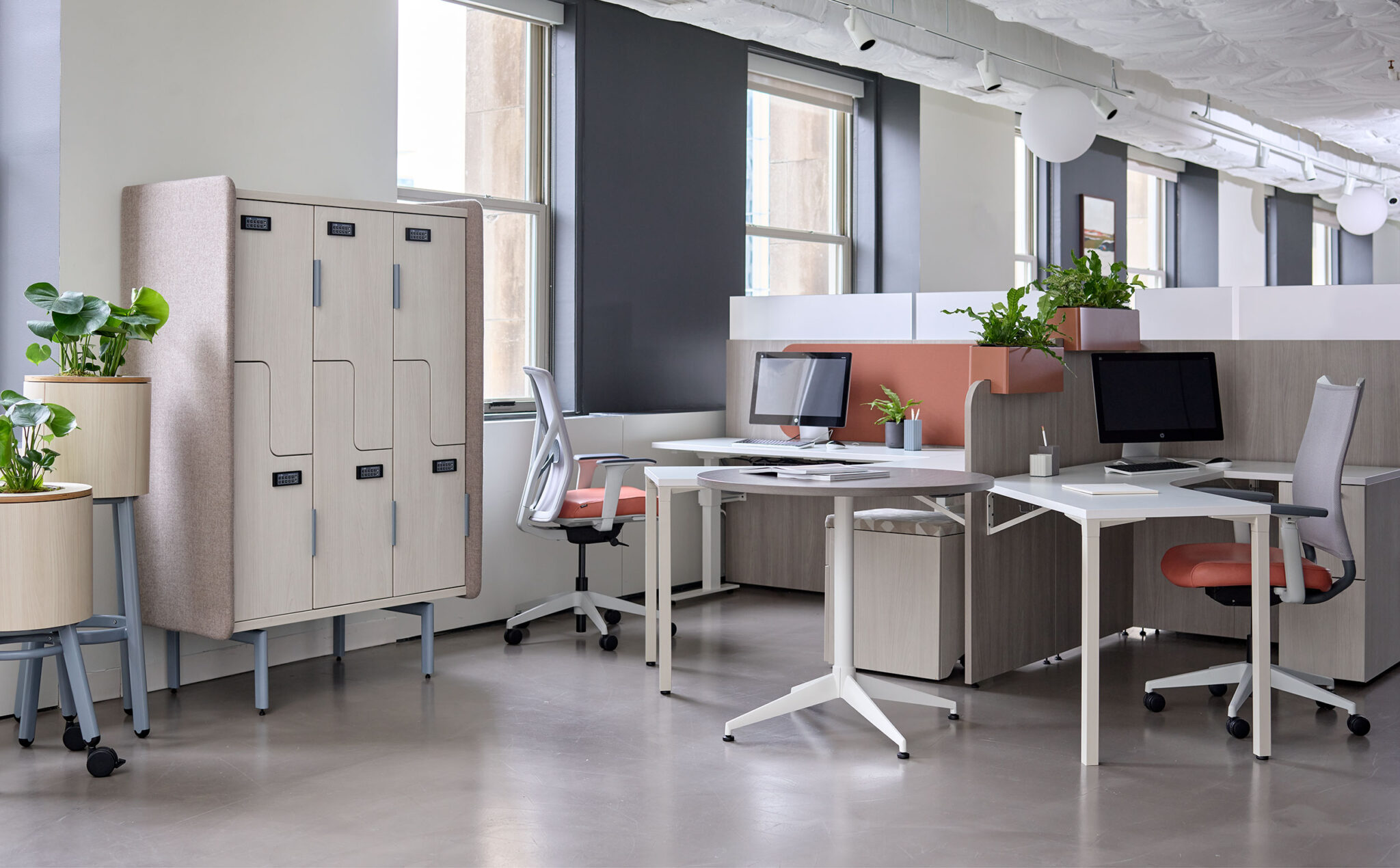
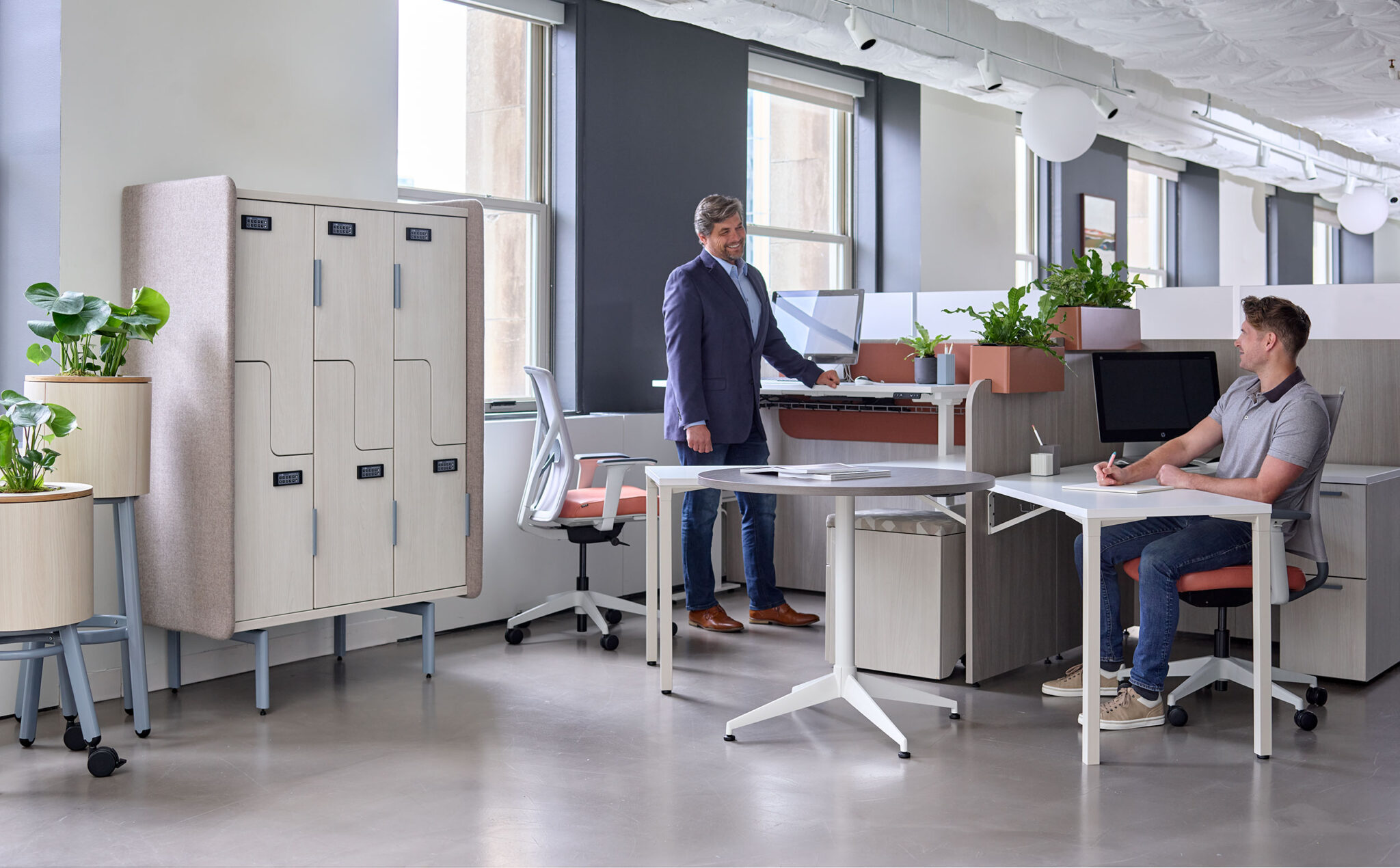
Some acoustic products can do more than absorb sound. They can also provide storage, display, division, or furniture function. This can be helpful when a space needs acoustic support but also needs to stay practical and uncluttered.
Zilenzio’s product list includes items such as Tone, a sound-absorbing cabinet, along with floor screens, table screens, focus products, wall absorbers, and ceiling absorbers. MBI can help evaluate when an integrated product makes more sense than treating acoustics as a separate layer.
Learning environments often need a mix of collaboration, quiet study, tutoring, testing, waiting, and informal gathering. Acoustic furniture can help create softer focus zones without permanently dividing the room.
Our team helps evaluate furniture-based acoustic solutions for libraries, student centers, classrooms, training areas, higher education spaces, and multipurpose rooms where flexibility and comfort both matter.
Focus zones can be created through a mix of high-back seating, screens, pods, lounge furniture, tables, storage, planters, and acoustic products. The goal is to give people usable choices without making the floorplate feel chopped up or overbuilt.
Together, we compare whether the right answer is furniture-based, pod-based, wall-based, or a combination.




Acoustic furniture refers to seating, pods, booths, screens, storage, or other furniture products that help absorb sound, reduce distraction, create visual privacy, or support quieter areas within a larger space.
Usually, no. Acoustic furniture can help absorb sound or create a more private feeling, but it should not be described as soundproof unless a specific product documents that performance. Most acoustic furniture is better understood as a sound-management and privacy-support tool.
It can be useful in open offices, libraries, student centers, lobbies, waiting areas, healthcare support spaces, lounges, cafés, staff areas, senior living spaces, and shared work environments where people need focus, comfort, or a softer boundary.
Acoustic panels are usually installed on walls or ceilings. Acoustic furniture provides sound support through furniture itself, such as high-back seating, upholstered pods, acoustic screens, booths, or integrated products that also serve another function.
Sometimes, but not always. Acoustic furniture can support quieter areas and softer privacy, but full pods or enclosed rooms may be better for video calls, confidential conversations, or stronger acoustic separation. We compare the right product path.
Yes, but product selection should consider durability, cleanability, comfort, traffic level, user needs, and long-term maintenance. Acoustic furniture can support waiting areas, staff respite spaces, student centers, libraries, study zones, and shared environments.
Yes. Acoustic lounge pieces, booths, focus pods, and furniture-based quiet zones can give people places for calls, short video meetings, or focused work when they are not at an assigned workstation.
Ideally, it should be planned with the broader furniture package. That allows the products to coordinate with layouts, power, technology, circulation, finishes, acoustic goals, and budget instead of feeling like a patch after occupancy.
Start with the problem. If the issue is focus at the user level, acoustic furniture or screens may help. If the issue is echo across the whole room, wall or ceiling treatments may be better. If the issue is confidential conversations, pods or rooms may be needed.