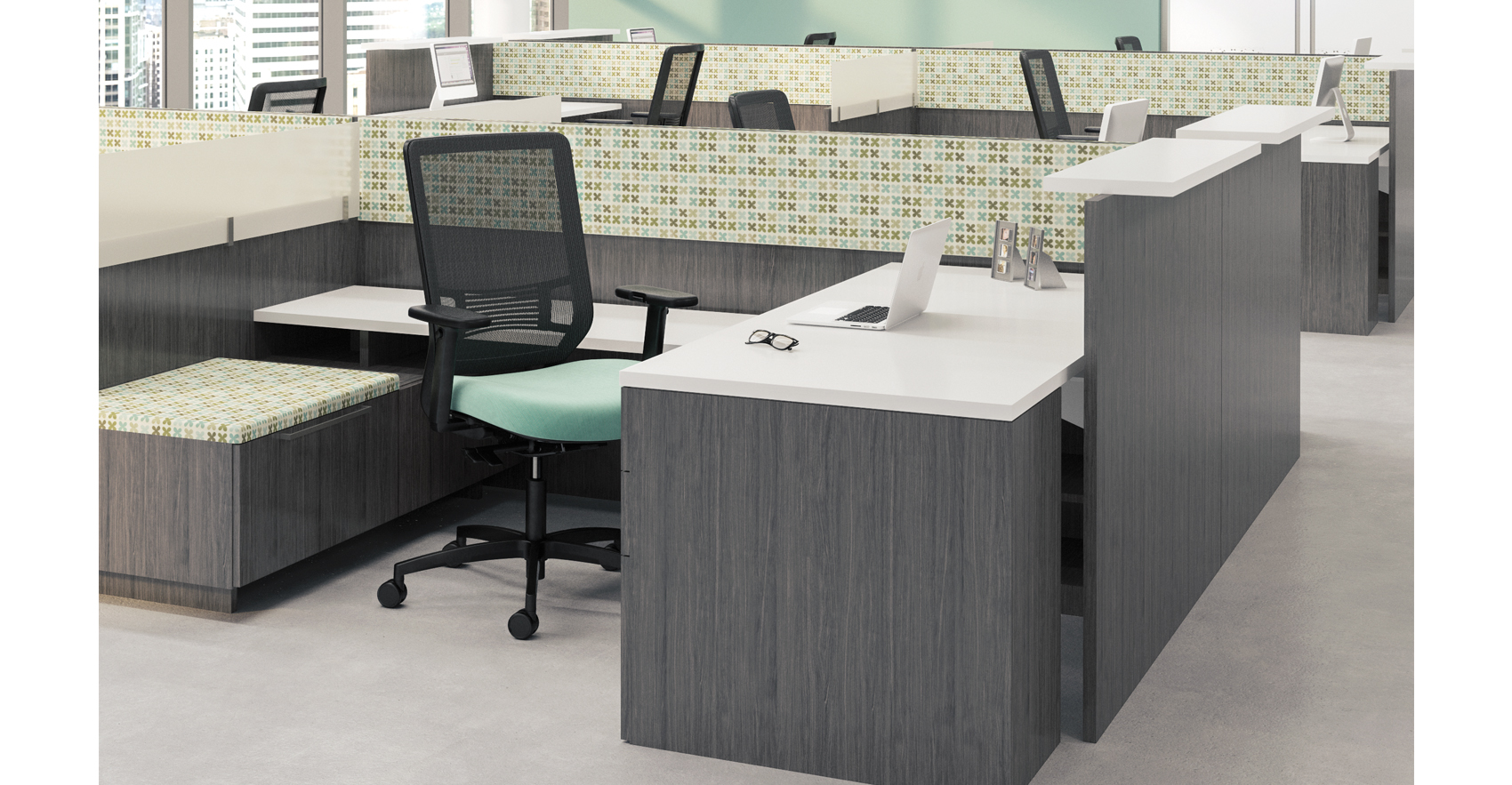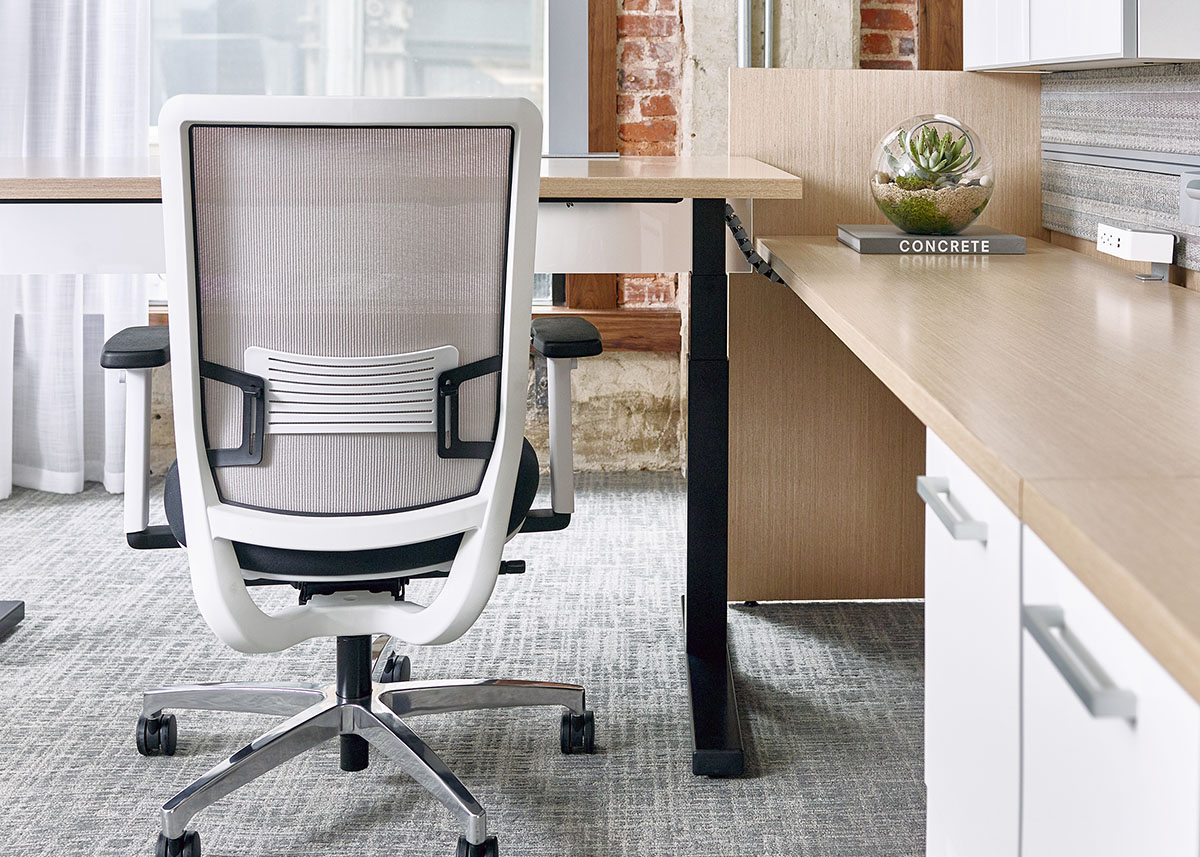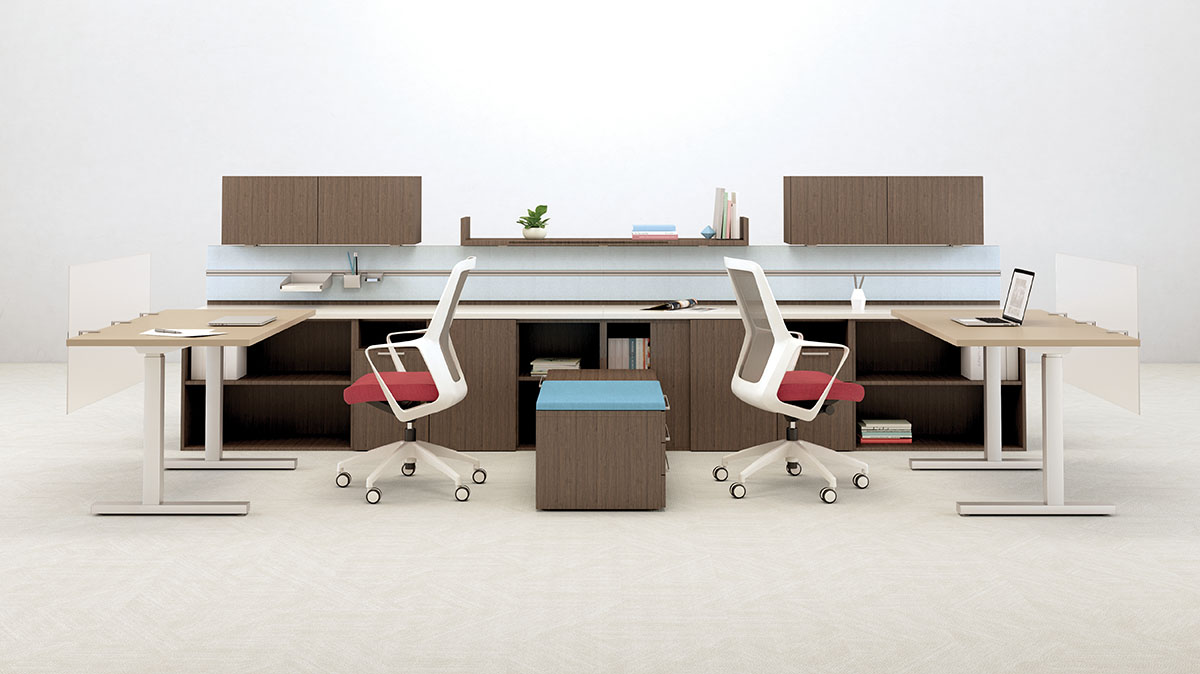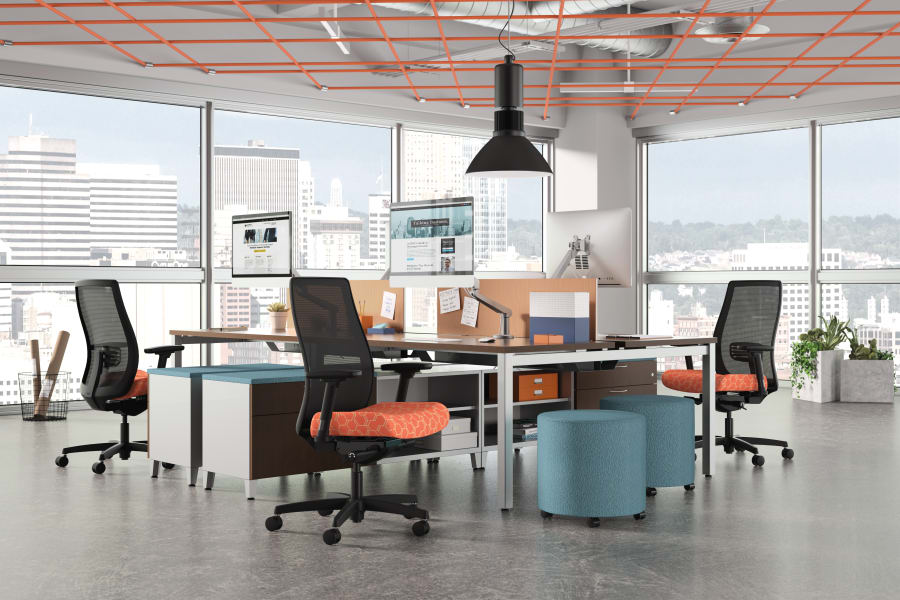
When every employee chooses their own desk, chair, and accessories, quality and consistency can vary widely. MBI can help organizations evaluate approved product options that better support comfort, durability, and company expectations.
Hybrid work depends on both environments working well enough. Our team helps think through how home office furniture should coordinate with shared workstations, hoteling spaces, office standards, and employee expectations.
Furniture stipends can be useful, but they can also create reimbursement headaches and inconsistent product choices. Employee home office programs can be created with pre-approved furniture selections, direct residential shipping, and stipend management options, which may help organizations structure this more clearly.
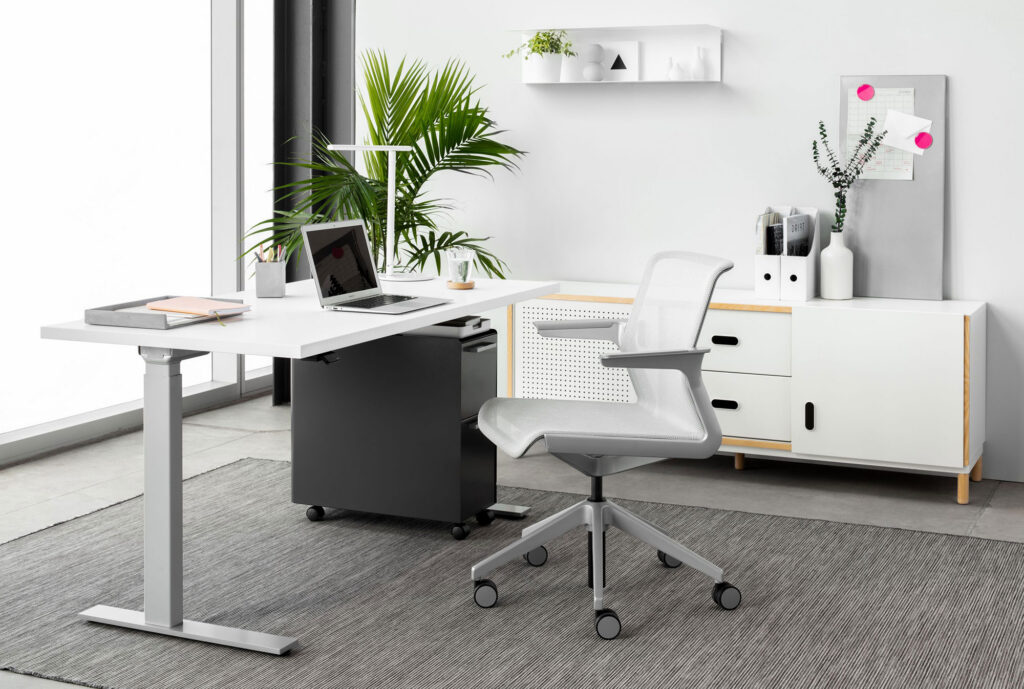
A good home office setup usually starts with the basics: a supportive task chair, appropriate work surface, monitor support, keyboard and mouse placement, lighting, and power access. Our approach involves thinking through the pieces that matter most.
Not every employee has a dedicated home office. Some need small-space desks, compact storage, flexible seating, or products that work in apartments, shared rooms, or multipurpose home settings.
A distributed work program should provide structure, but it should still allow for employee needs, home conditions, budget, and job function. MBI can help define a practical range of options instead of one rigid setup.
A home office program can give employees access to approved furniture options without leaving every decision up to individual preference or reimbursement. This can help organizations support remote workers while maintaining more consistency around quality, ergonomics, and design expectations.
MBI can help clients evaluate whether a structured employee home office program makes sense and how it should connect to company standards, budgets, stipends, and employee needs.
Distributed work programs work better when employees are not starting from scratch. Approved standards can define recommended desks, task chairs, monitor arms, storage, lighting, and accessories while still allowing reasonable choice.
MBI helps clients determine which products should be standard, which should be optional, and how to create a selection that supports different homes, roles, budgets, and work styles.
The chair and work surface are the foundation of a home office. Poor seating or an awkward desk setup can make remote work harder than it needs to be. We help evaluate ergonomic seating, sit-stand options, compact desks, worksurface sizes, and related tools that support daily work.
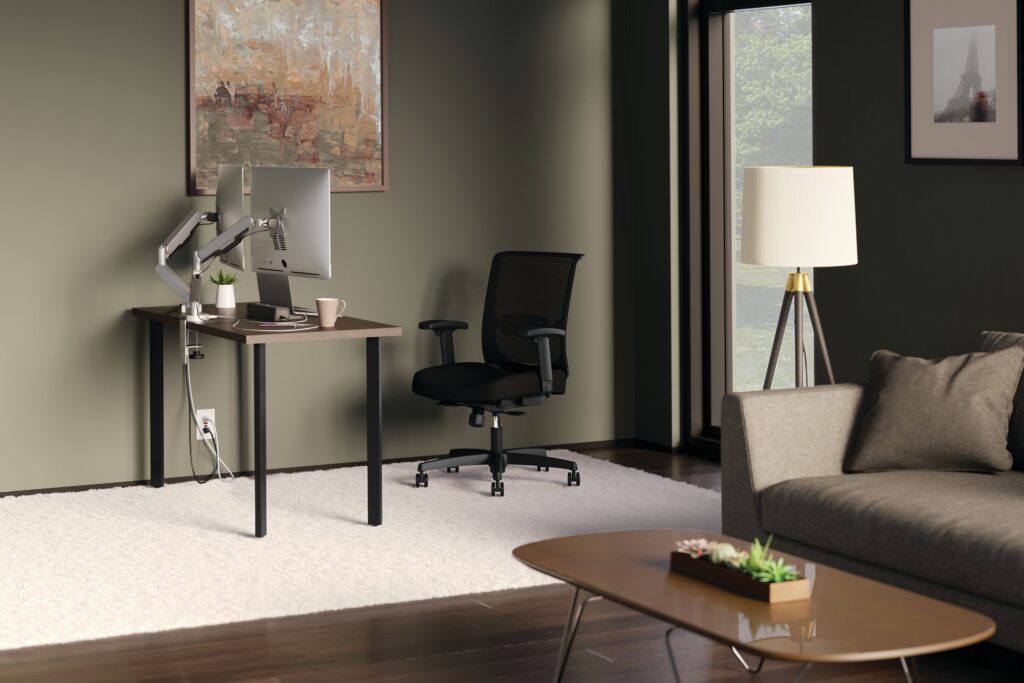
A home office setup often needs more than a desk and chair. Monitor arms, laptop stands, keyboard trays, task lighting, power access, cable management, storage, and small accessories can make the difference between a setup that exists and one that actually works.
Our team helps decide which tools should be included in an approved home office package and which should remain optional based on role, technology, and employee preference.
Many employees work from apartments, shared rooms, guest rooms, bedrooms, or multipurpose spaces. A full office layout may not be realistic. Compact desks, mobile storage, smaller-scale seating, foldaway options, and well-chosen accessories can help make these setups more usable.
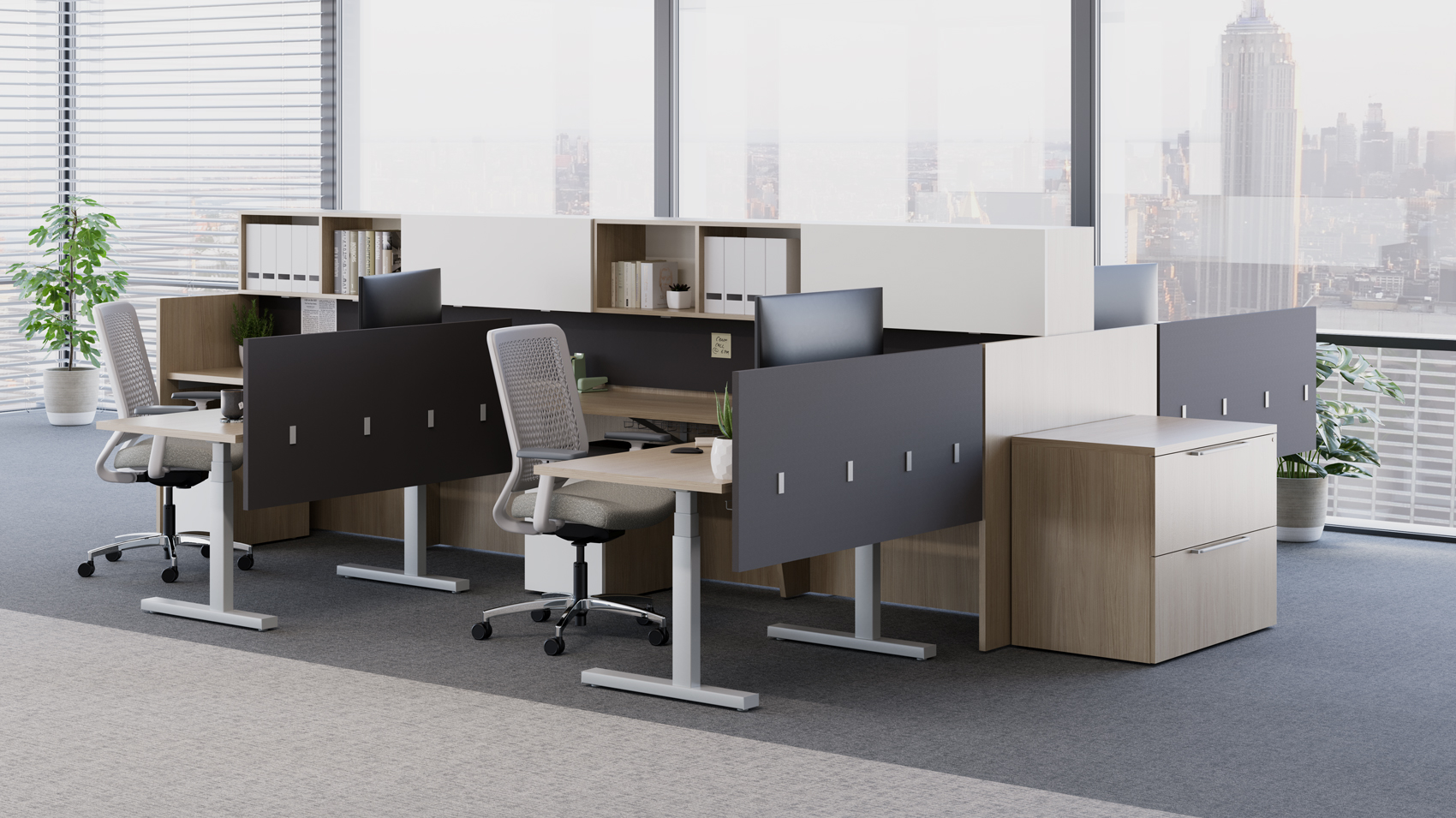
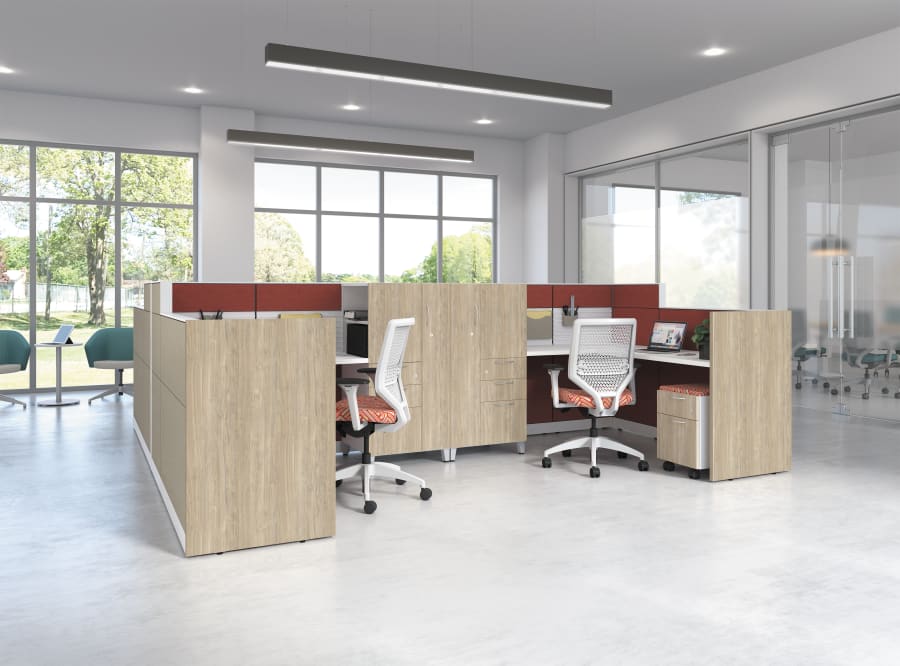
Home office support should not be disconnected from the main workplace. Hybrid employees may move between a home setup, shared workstations, conference rooms, and collaboration spaces. The more consistent the thinking is, the easier the experience becomes.
Our role is to align distributed work support with office standards, shared workpoints, hoteling areas, seating, ergonomic expectations, technology tools, and long-term furniture planning.





Distributed work support helps employees work outside the main office with better furniture, tools, and program structure. It may include home office furniture, ergonomic seating, work tools, approved standards, employee stipend programs, and direct-to-employee delivery options.
Most home office setups should start with a supportive task chair, appropriate desk or worksurface, monitor support, keyboard and mouse placement, lighting, power access, and basic storage or organization tools. The exact mix depends on the employee’s role, space, technology, and budget.
Yes. MBI can help clients identify approved products, recommended packages, optional upgrades, and practical standards for remote or hybrid employees.
They can, if the program is structured that way. Many organizations prefer a curated selection that gives employees choice while keeping product quality, budget, ergonomics, and brand expectations more consistent.
Small-space desks, compact storage, monitor arms, task seating, lighting, and flexible accessories can help. MBI can help compare options that support real work without assuming every employee has a dedicated home office.