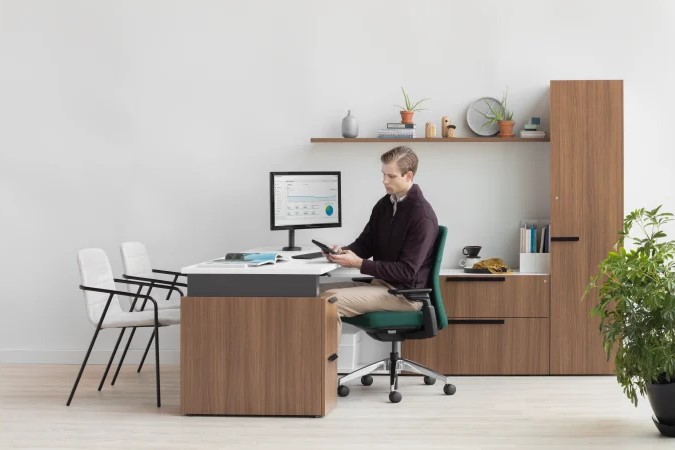
Executive and leadership offices often need to support focused work, private conversations, small meetings, storage, and a polished brand experience. MBI helps plan these rooms so they feel intentional without becoming oversized or disconnected from the rest of the workplace.
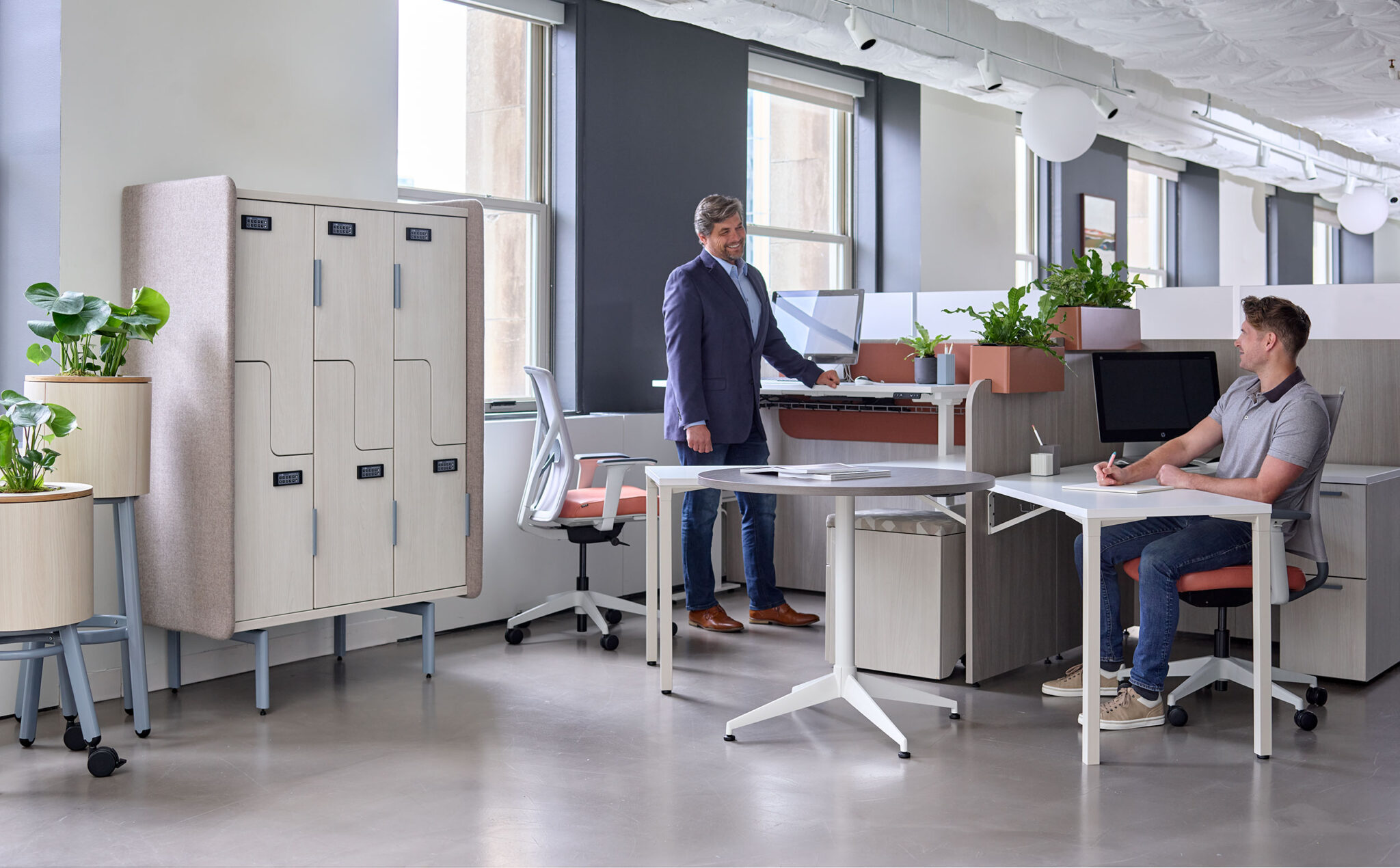
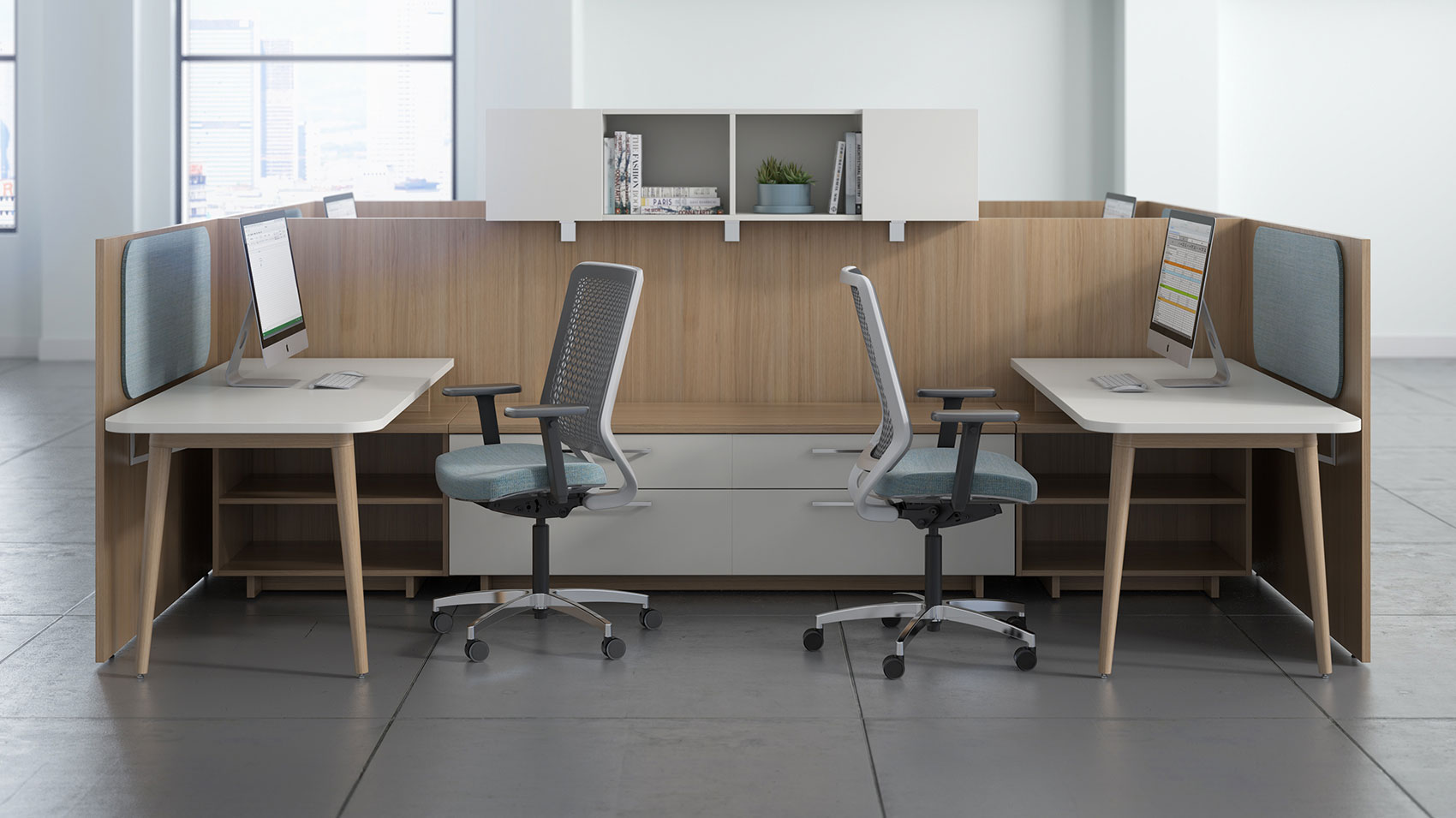
Manager offices are often working rooms, not showrooms. They need practical desking, guest seating, storage, technology support, and enough flexibility to handle both individual work and quick conversations.
Many organizations need repeatable private office standards across departments, floors, or locations. MBI can help develop standards that control cost, simplify ordering, and still allow for role-based differences.
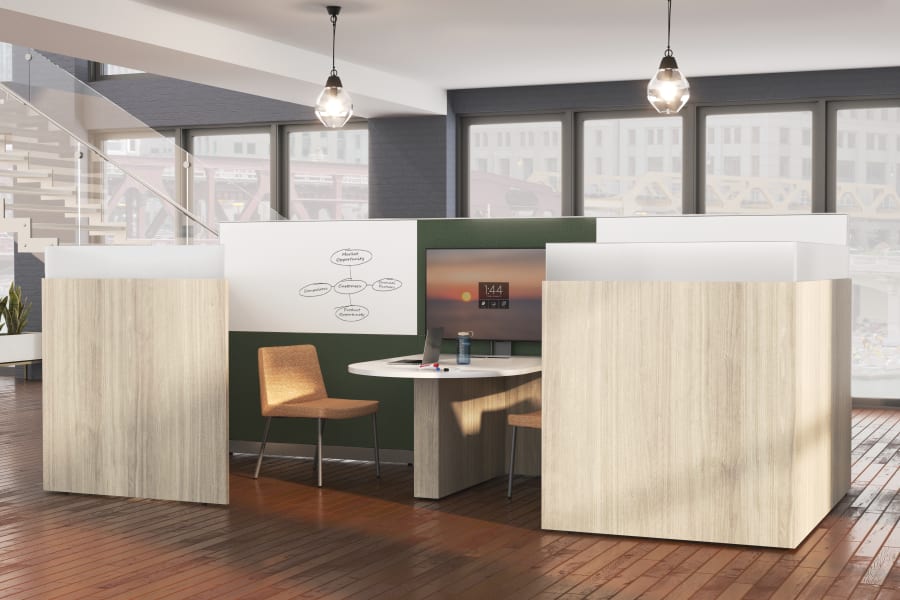
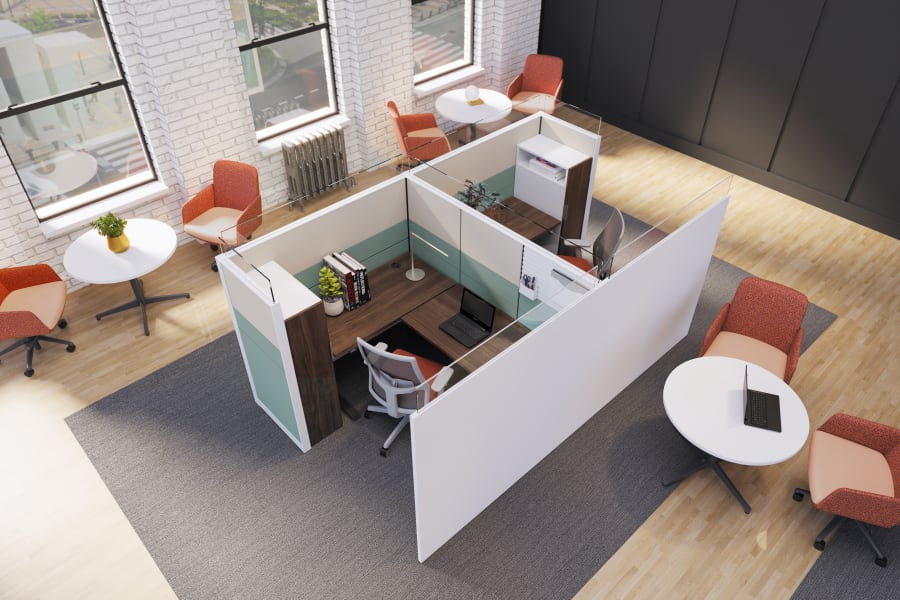
Private offices may need to be smaller, shared, converted, or rebalanced with open work areas. We help determine what type of private office setting still makes sense and how it should connect to the larger workplace.
Older private offices often have too much furniture, poor storage, limited technology support, or layouts that do not reflect how people work today. Our team helps evaluate what should be reused, replaced, simplified, or improved.
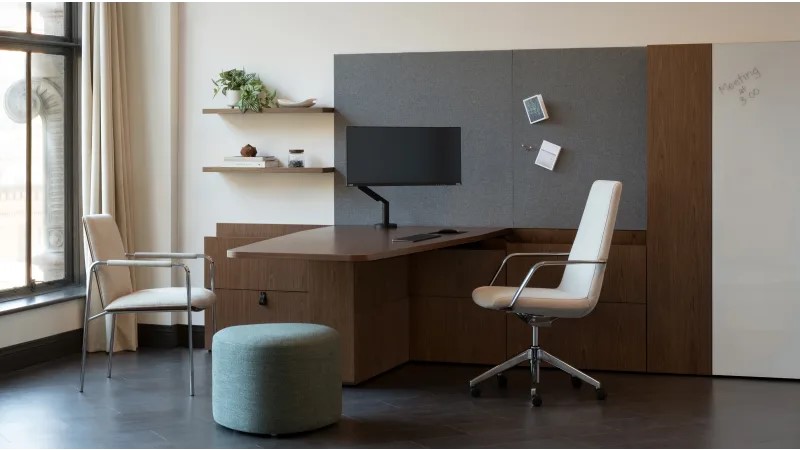
Executive offices should support focused work, confidential conversations, small meetings, and the impression the organization wants to make. These rooms often require a more refined balance of desking, storage, guest seating, material quality, and visual presence.
We work with clients to plan leadership offices that feel polished without being excessive. The goal is to create a room that supports daily work, communicates professionalism, and coordinates with the broader workplace environment.
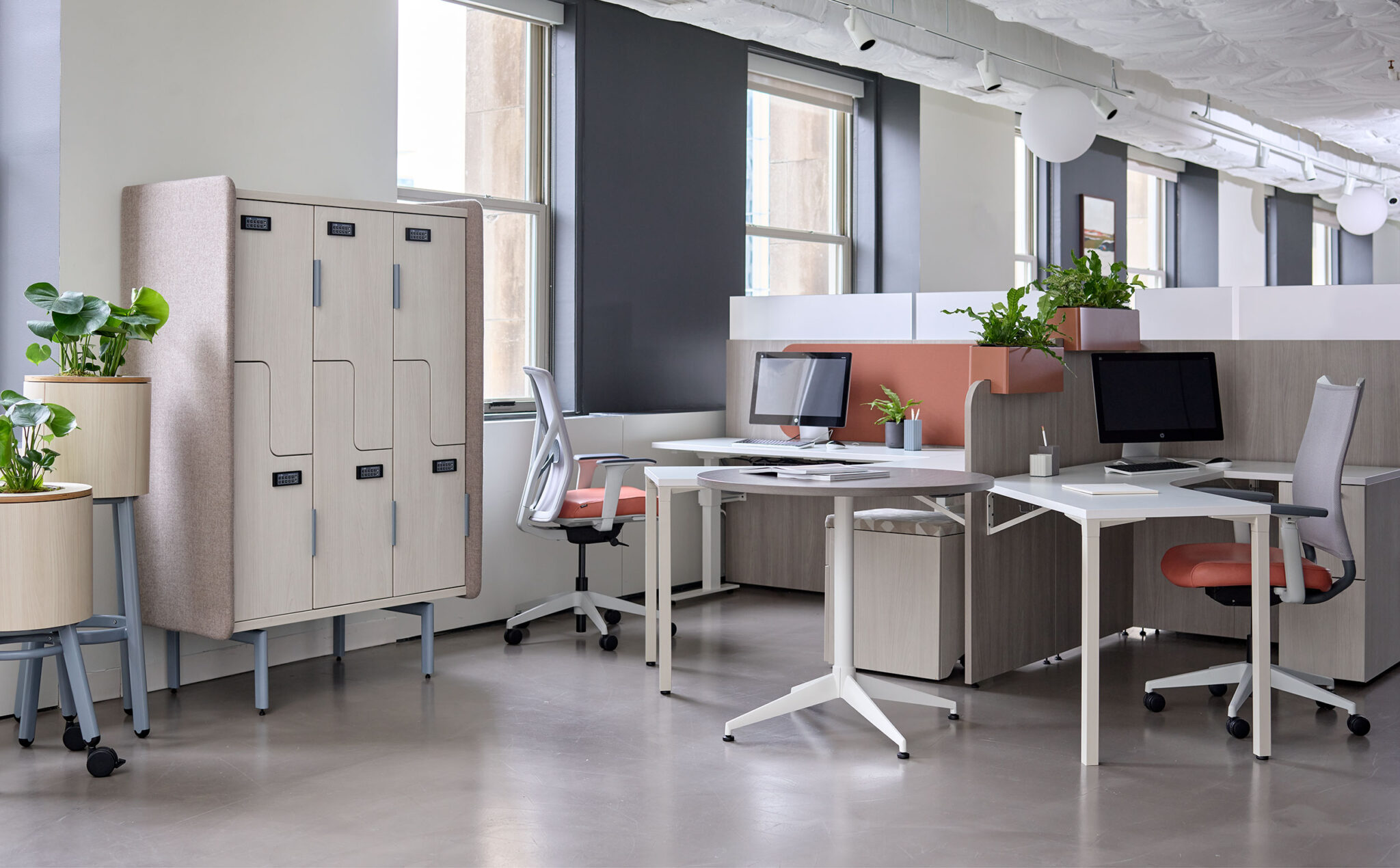
A private office standard can simplify future projects, reduce one-off decisions, and create consistency across an organization. Standards can define typical desk sizes, storage components, finish options, guest seating, height-adjustable needs, and role-based variations.
Our team helps build standards that are practical, repeatable, and still flexible enough to support different users and departments.
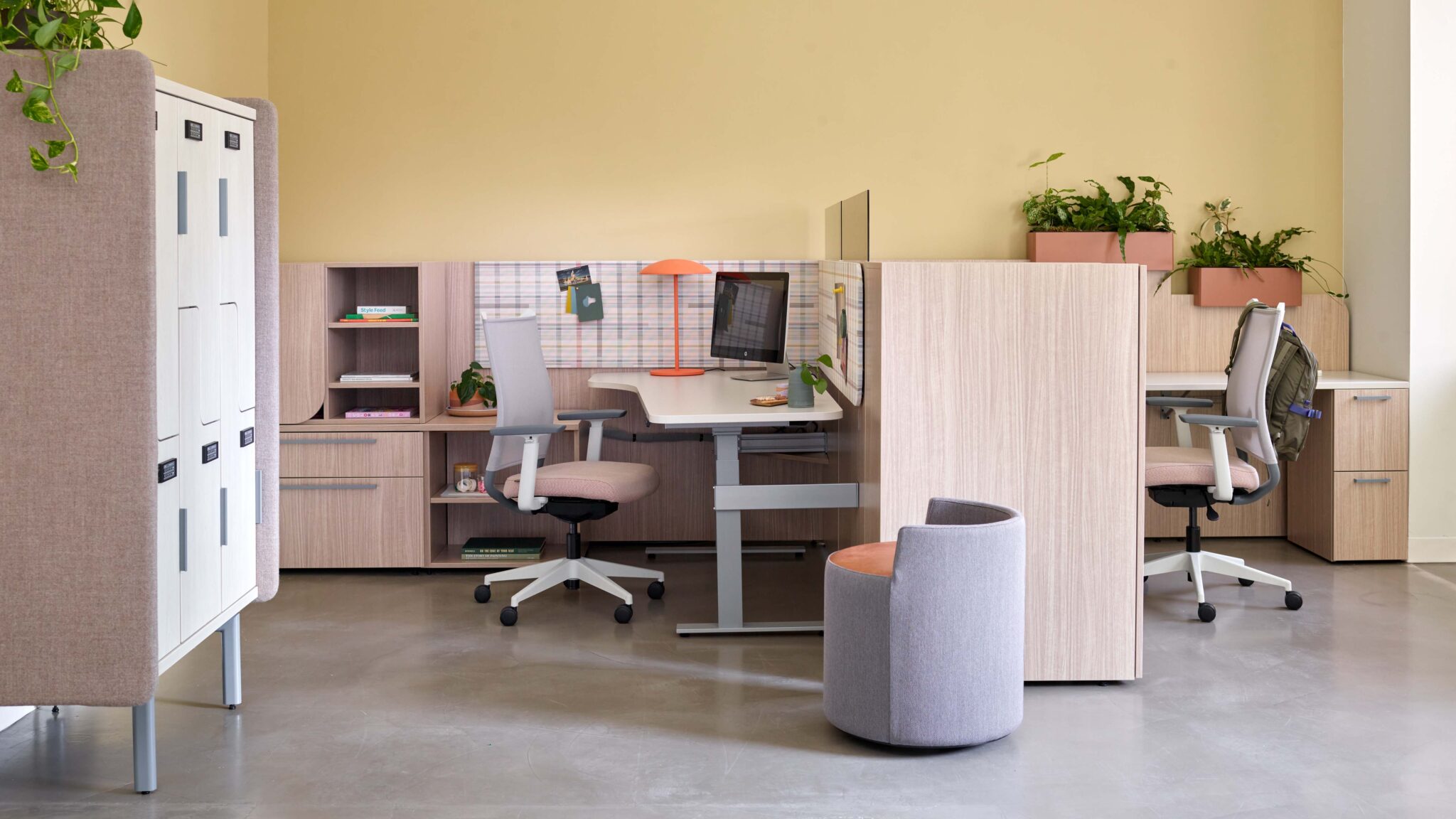
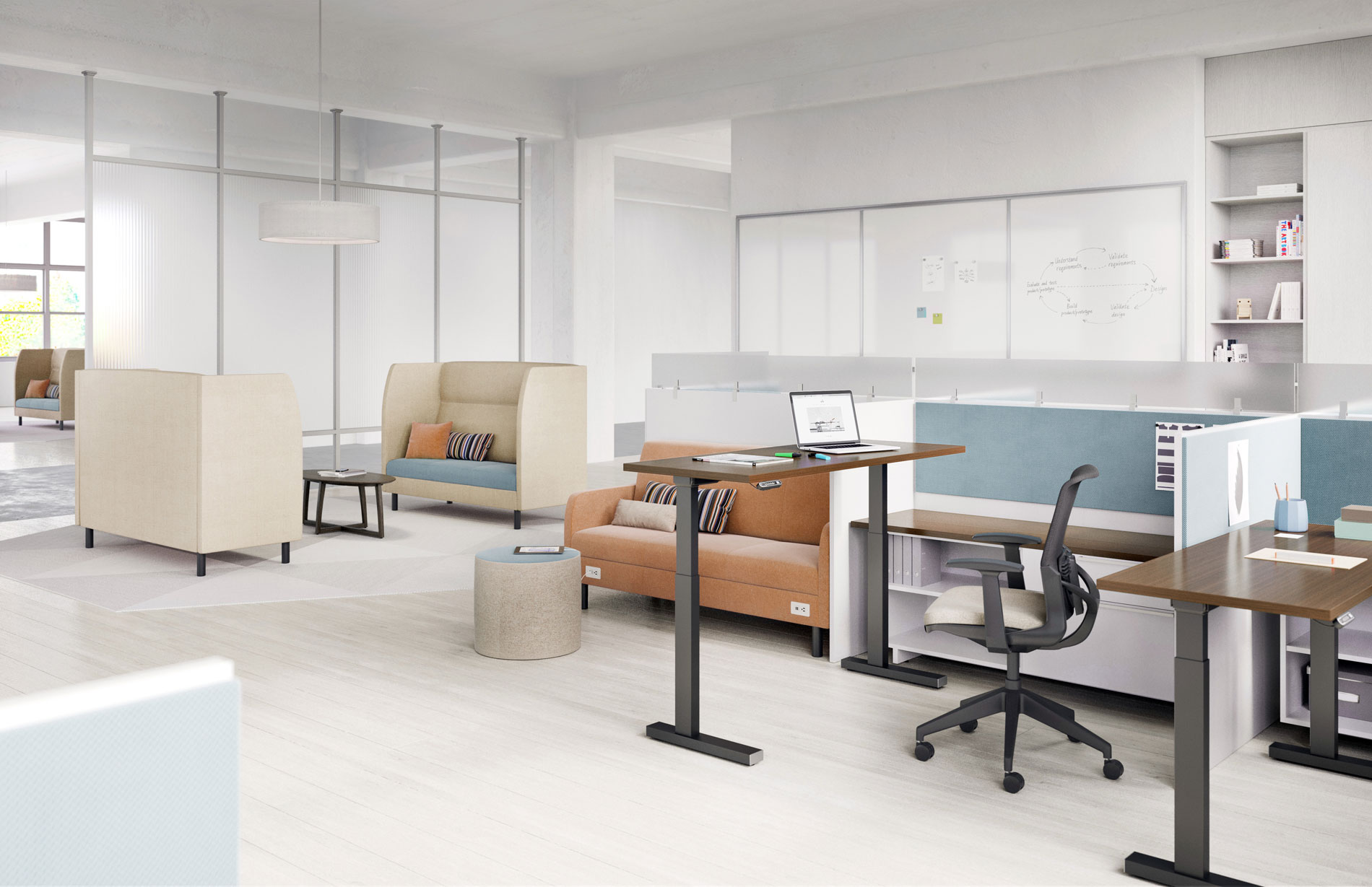
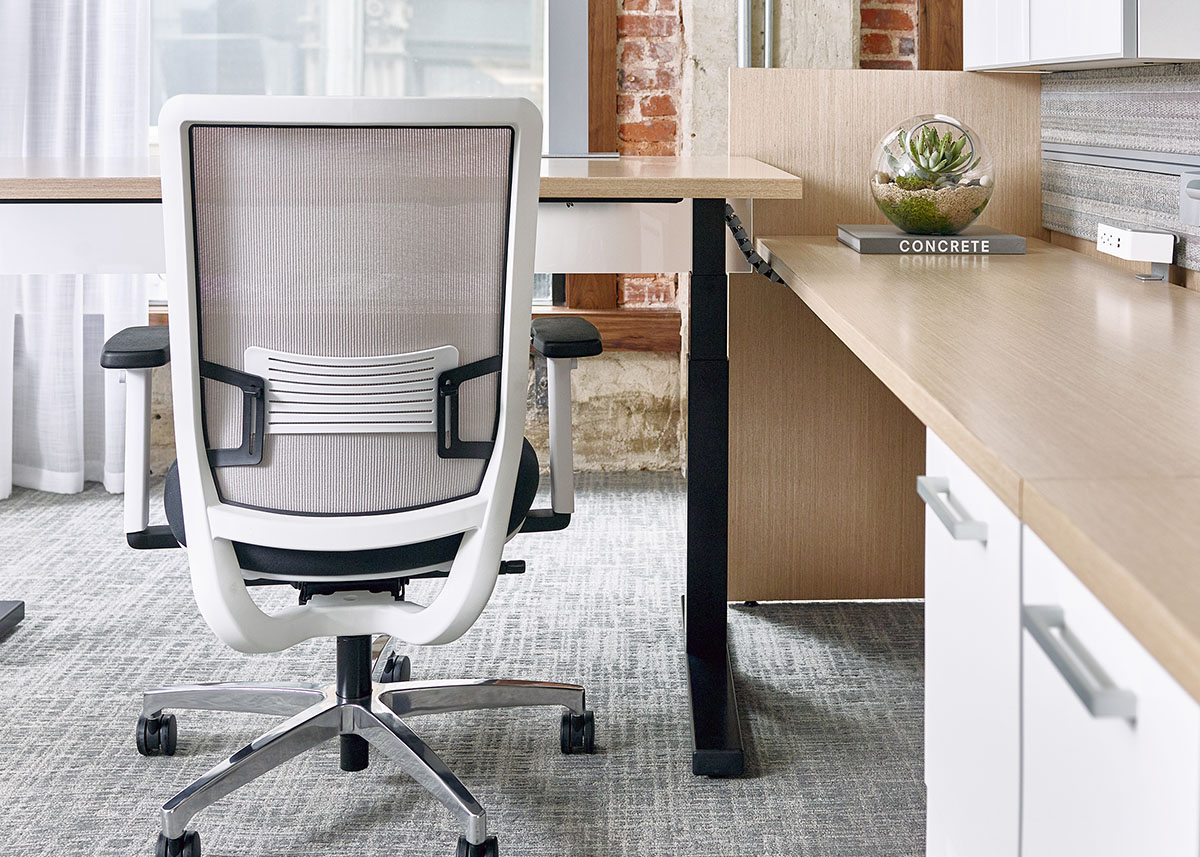
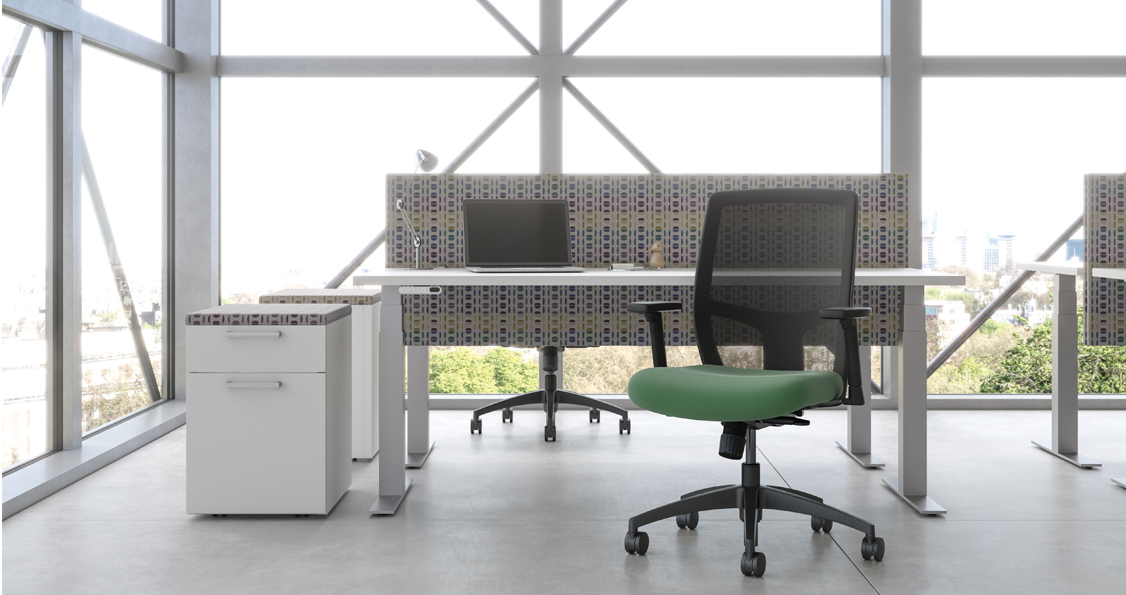
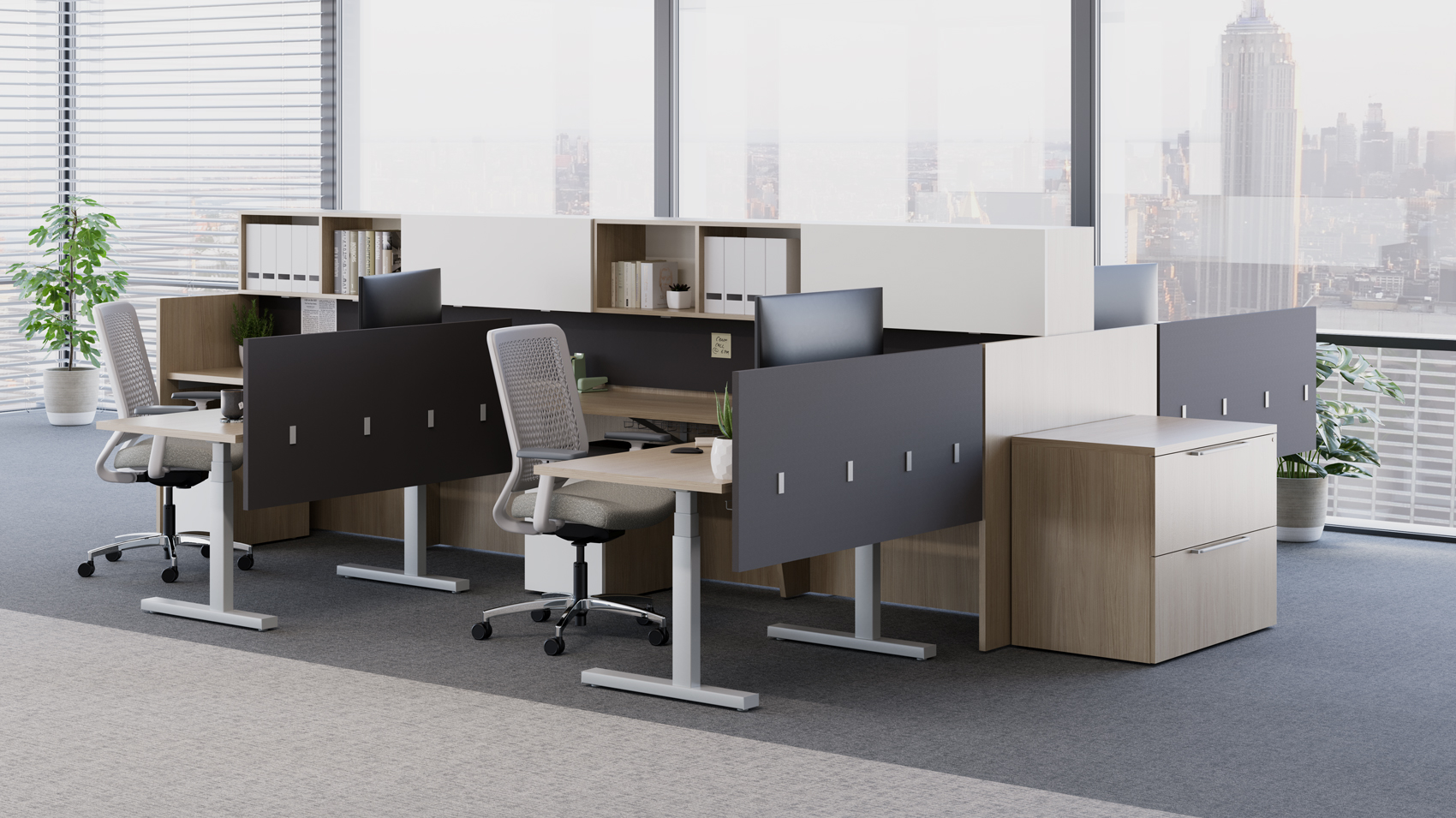
ivate offices can support more comfort and flexibility when height-adjustable surfaces are planned from the beginning. These solutions can help users shift posture, support different work modes, and create a more adaptable private workspace.
That means evaluating when height-adjustability makes sense, how it integrates with storage and technology, and whether it should become part of a broader office standard.





You do not need to know the exact desk, casegood, storage piece, or finish before starting the conversation. Tell us how the office needs to function, who will use it, and what impression it needs to make. MBI can help compare options and build a private office plan that fits the larger workplace.
Start with the role of the room. A leadership office, manager office, shared office, and administrative office all need different levels of storage, guest seating, technology support, privacy, and visual presence. MBI helps evaluate how the room will be used before recommending product options.