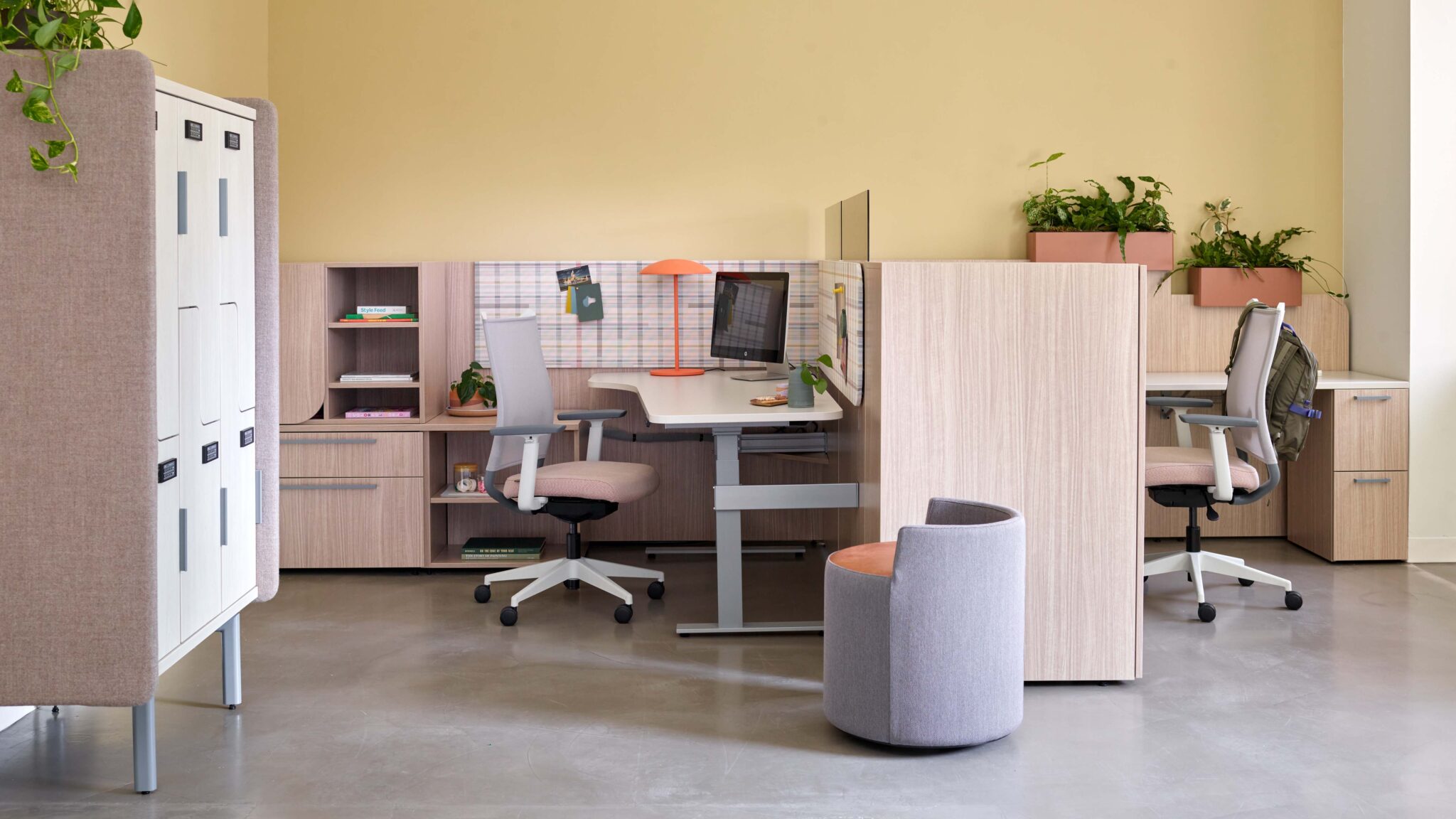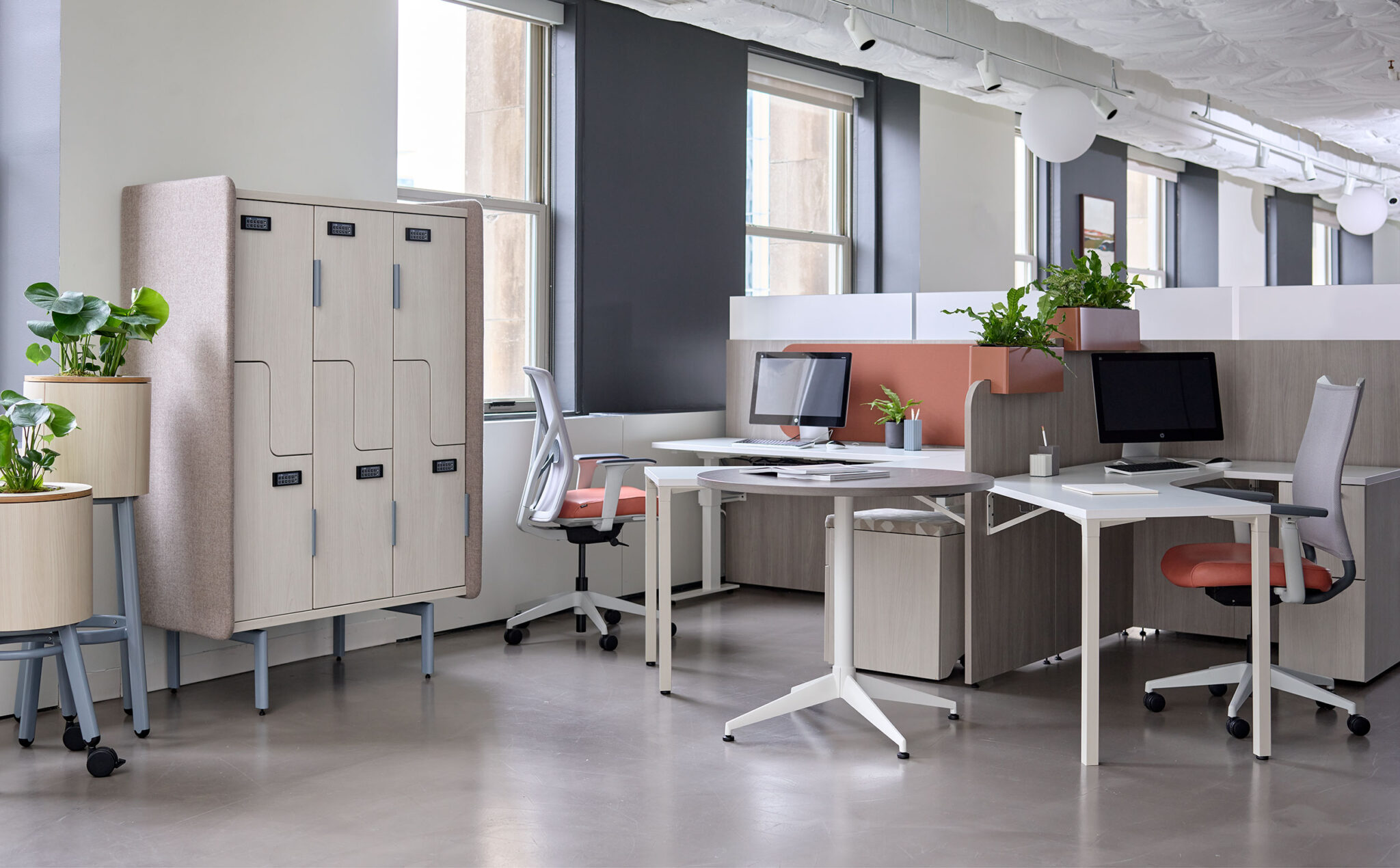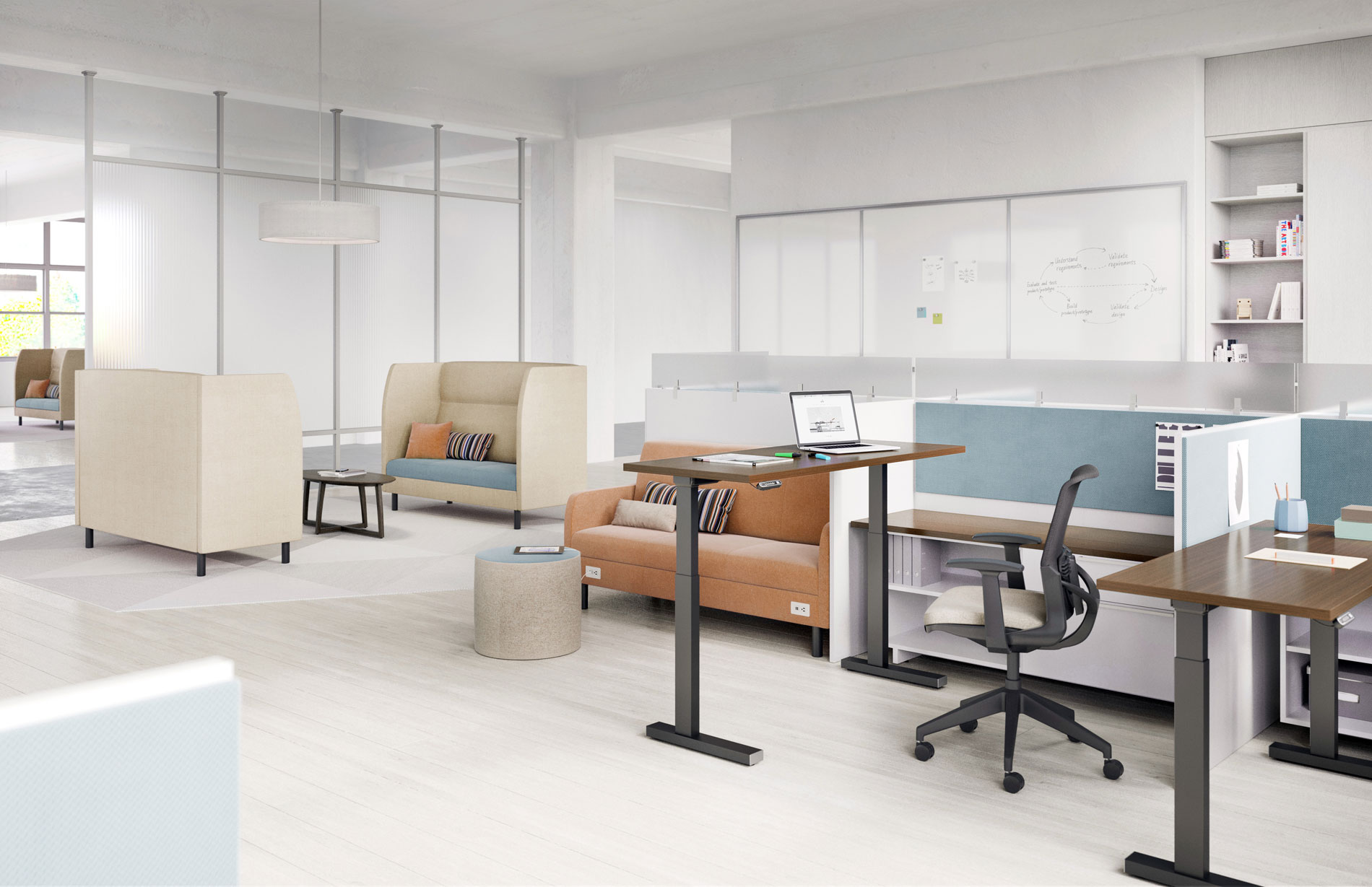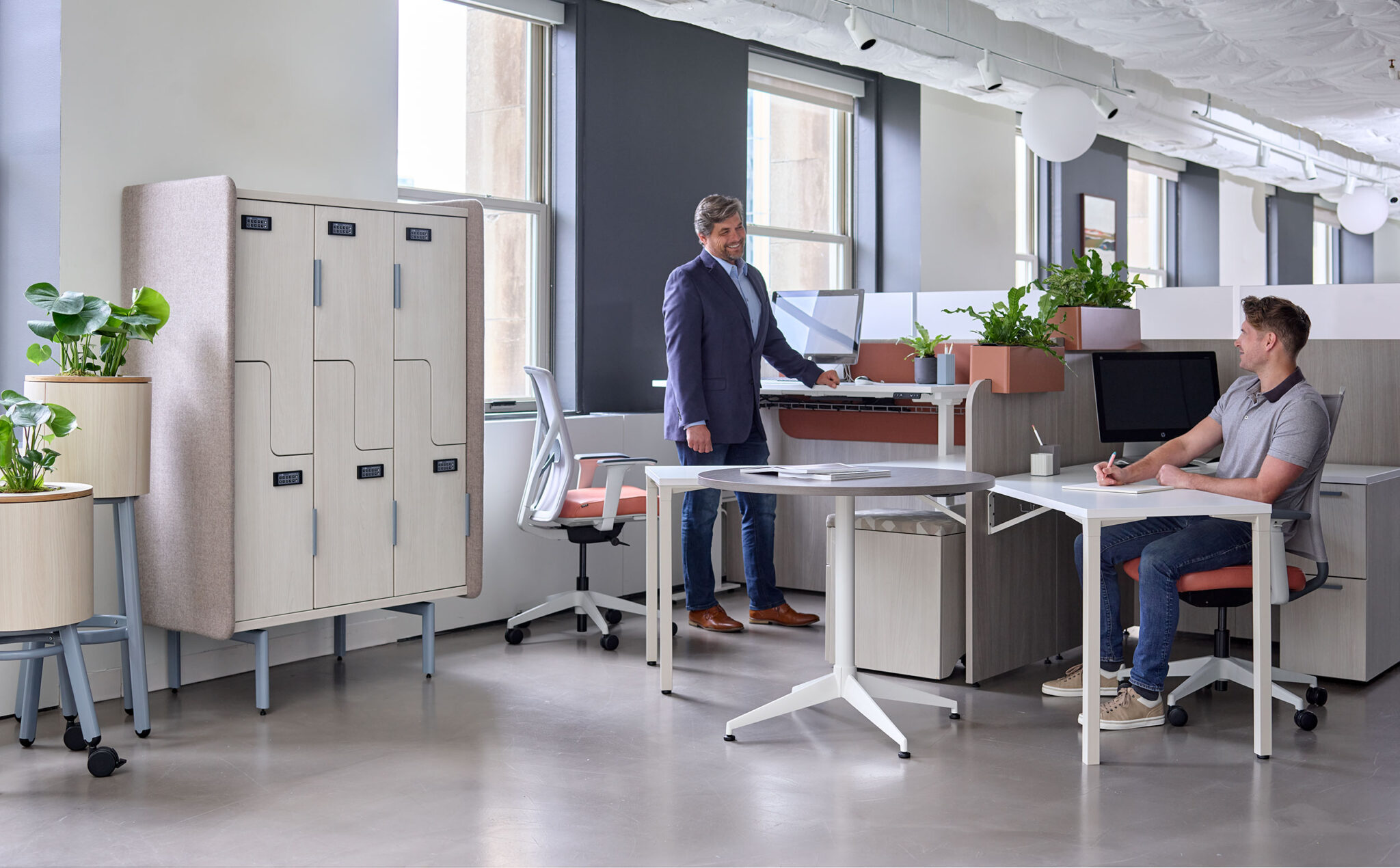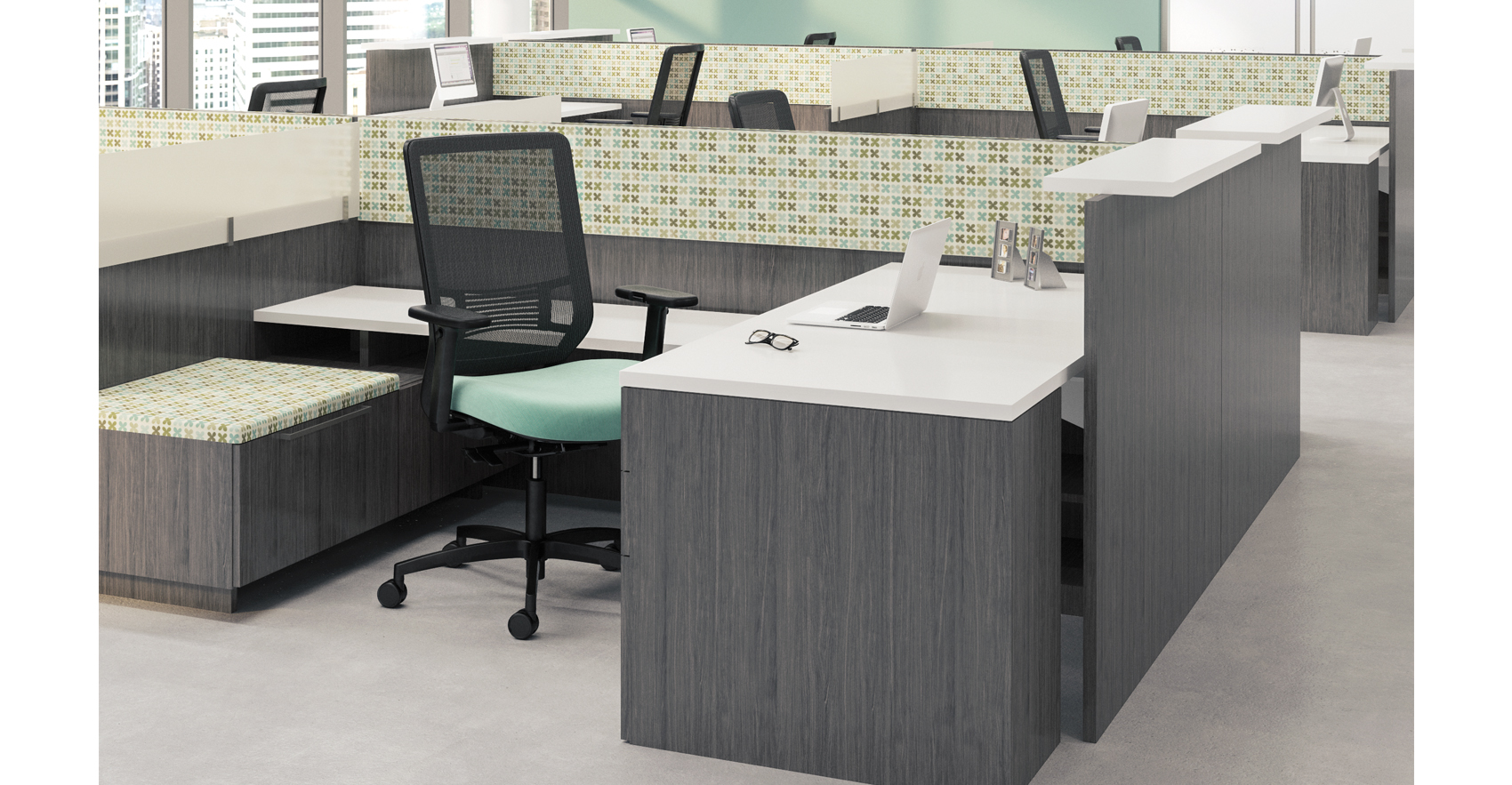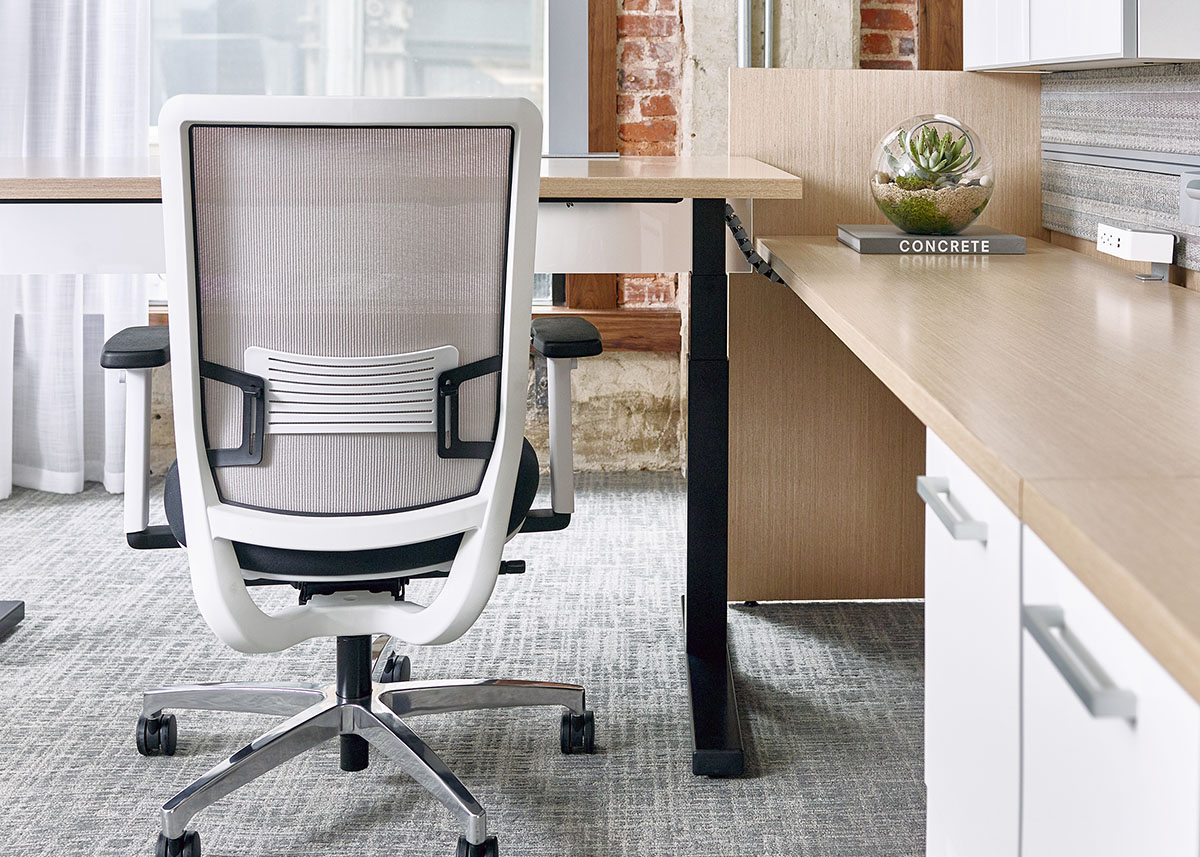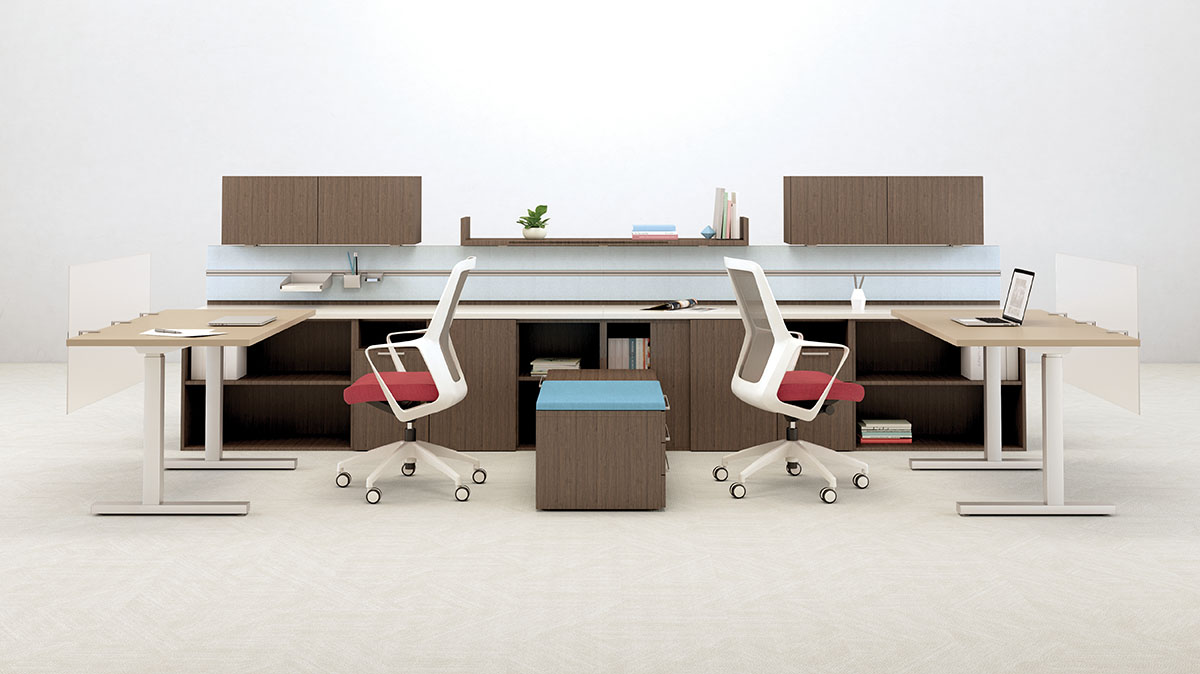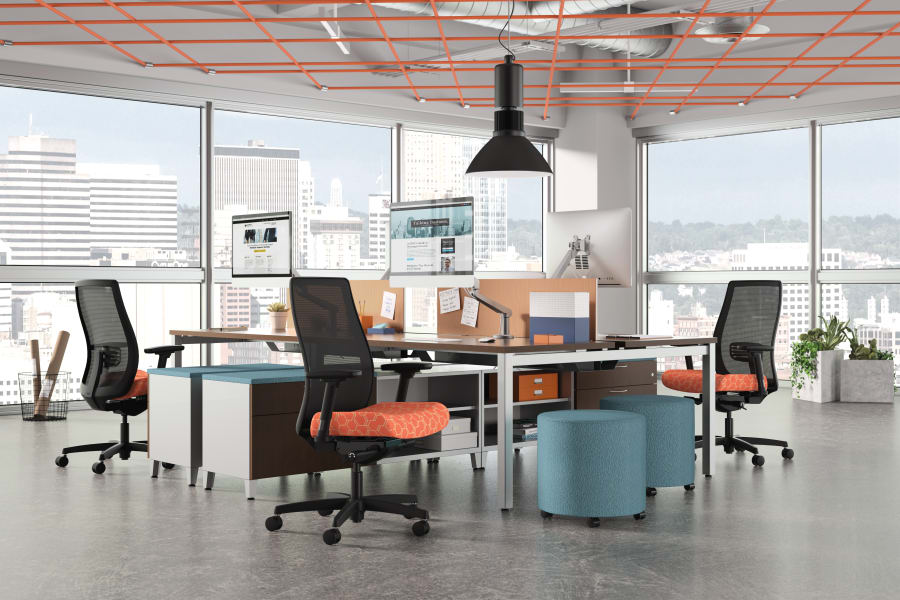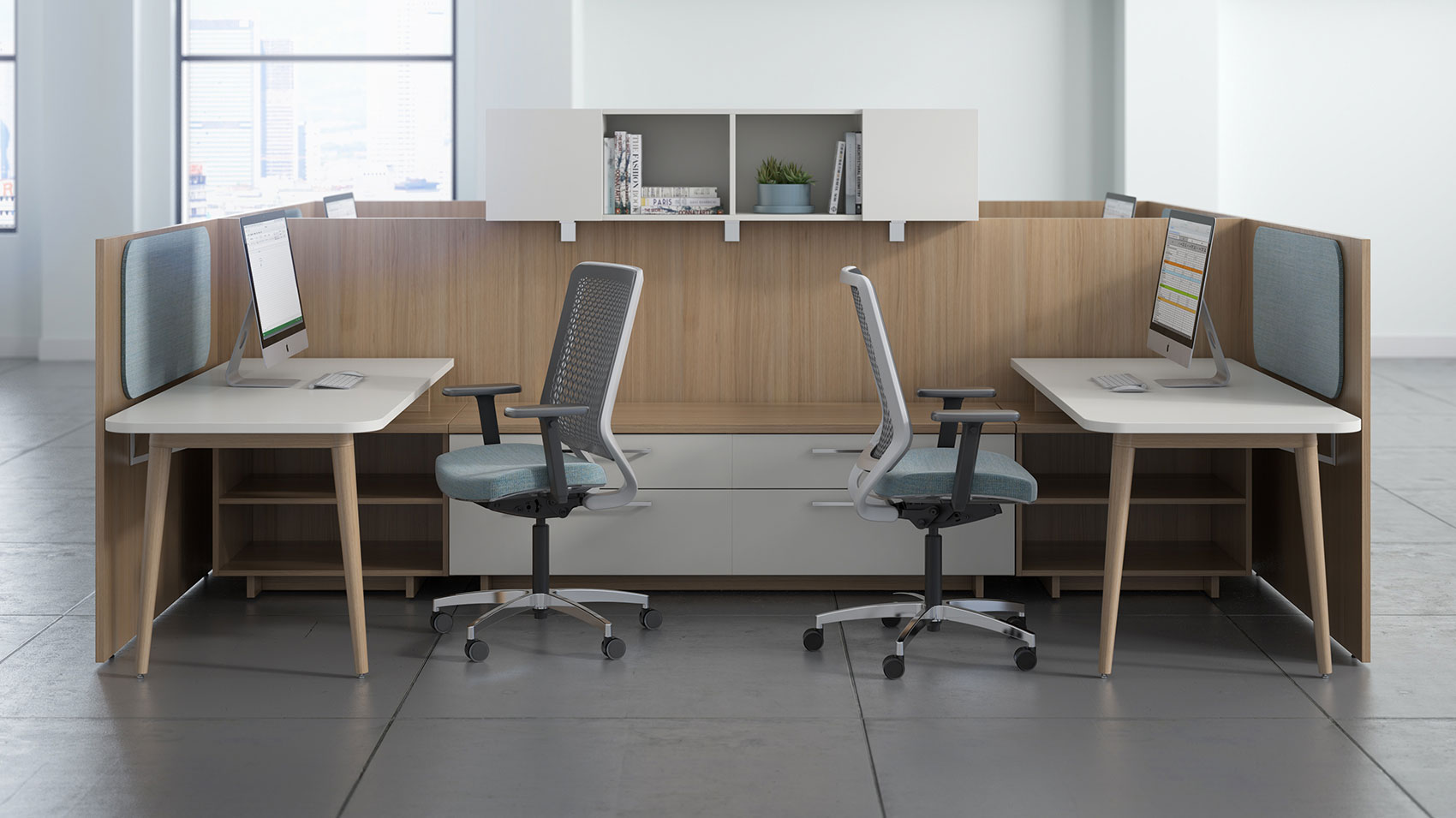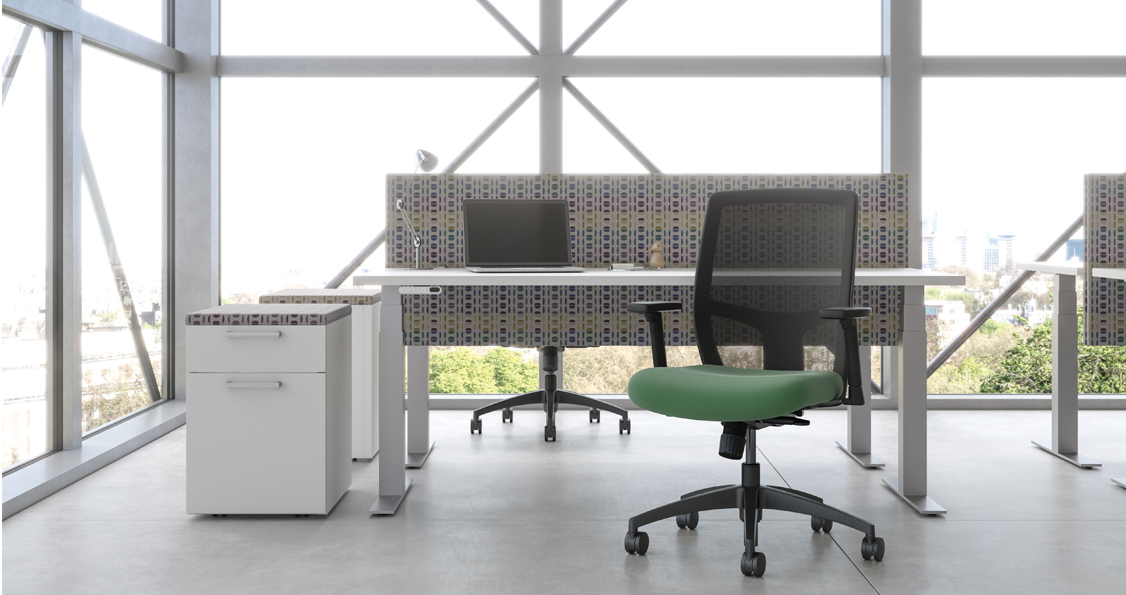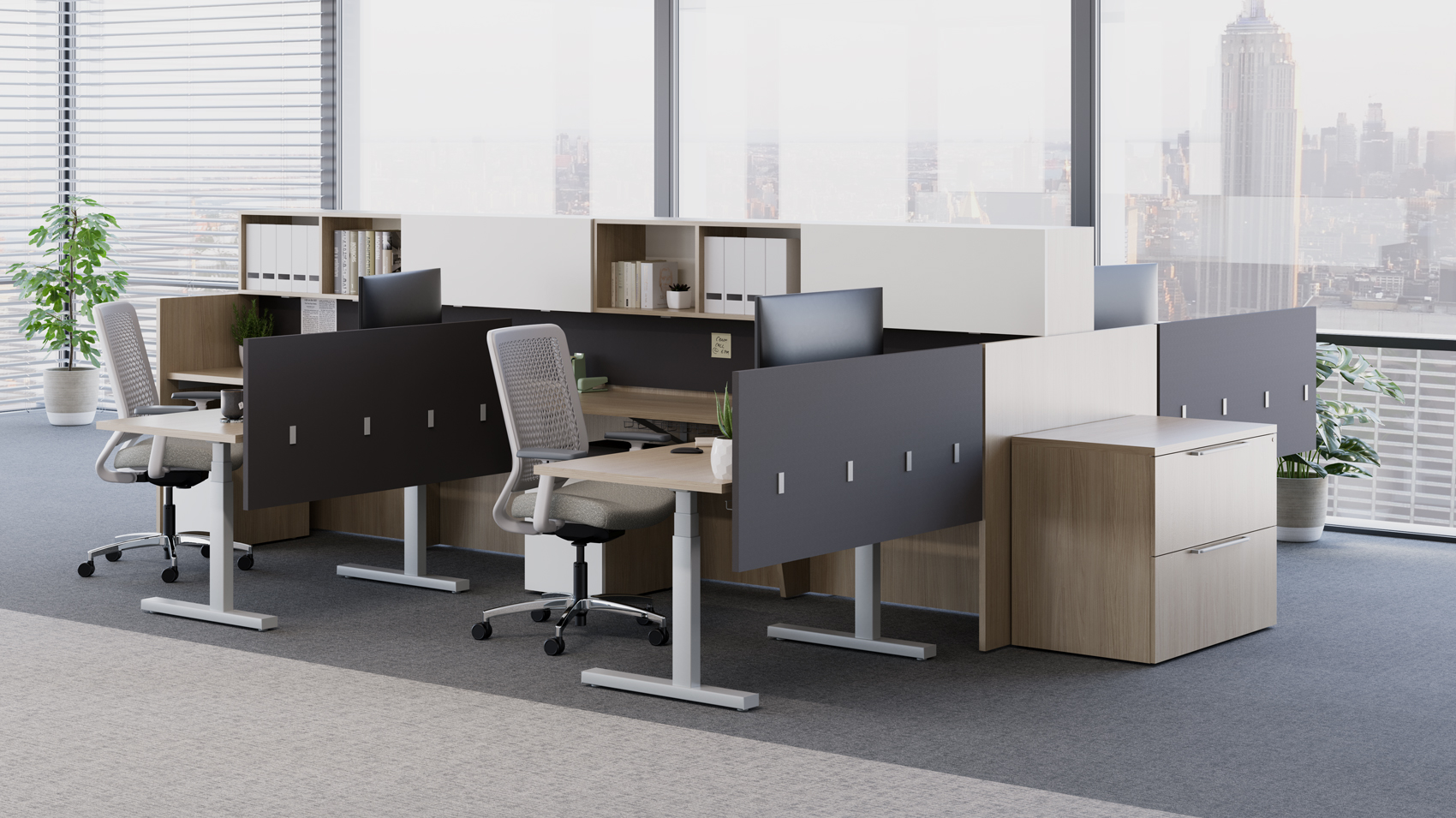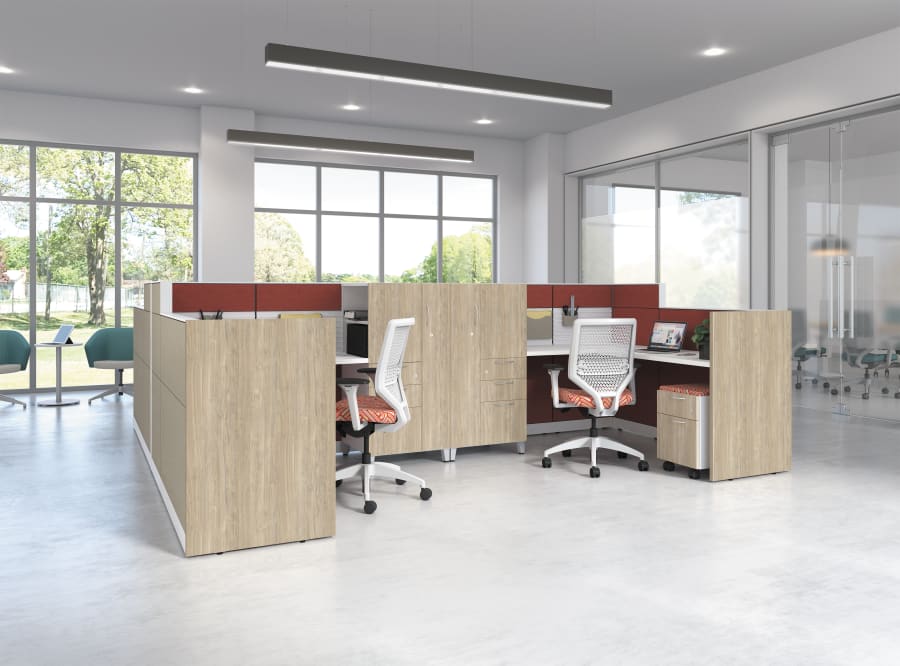
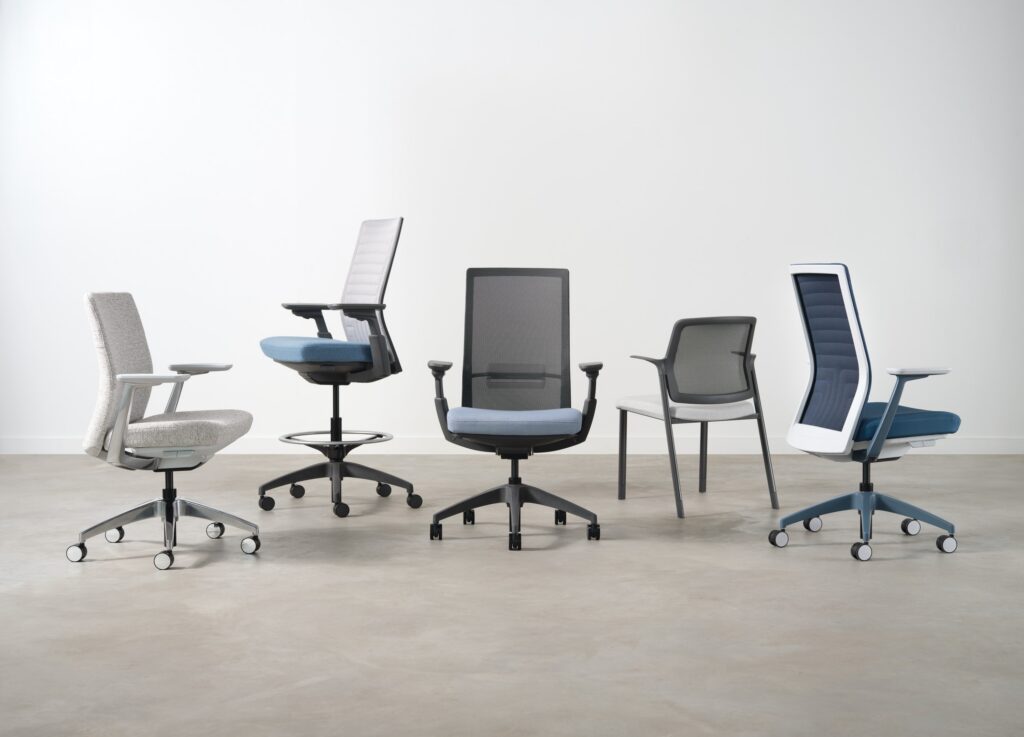
Task seating needs to support daily use, movement, adjustability, and comfort across different users. We evaluate seating that fits the work being done and the workstation environment around it.
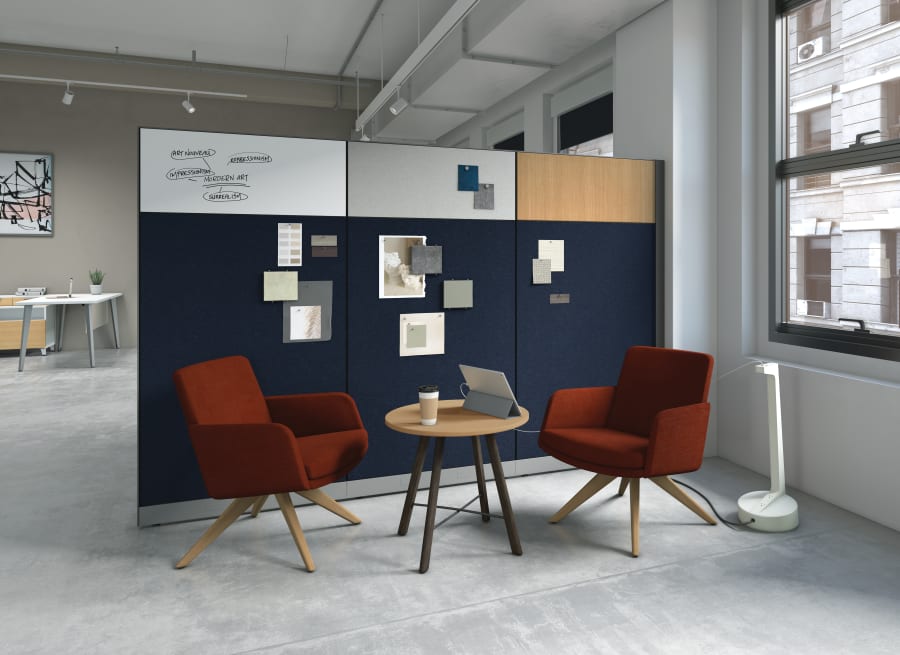
Conference seating should support attention, comfort, room image, technology use, and longer conversations without making the space feel crowded or overdesigned.
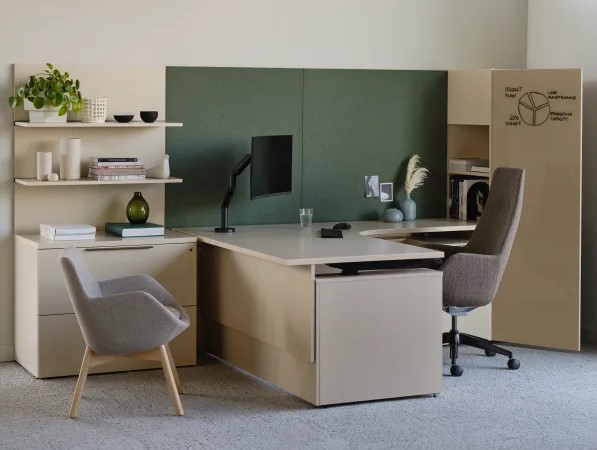
Reception, lobby, waiting, and private office guest seating influence how visitors experience your organization. MBI helps balance comfort, durability, style, and space planning.
Training rooms, classrooms, multipurpose rooms, and collaboration areas often need seating that moves, stacks, nests, stores, or resets easily.
Healthcare, education, government, senior living, and public spaces need seating that can hold up to frequent use while still feeling comfortable and appropriate for the environment.
For organizations with multiple departments, floors, or locations, seating standards can make future planning, pricing, ordering, replacement, and maintenance easier.
Task seating needs to work harder than almost any other furniture selection. It supports focused work, long periods of use, movement, posture changes, and different body types across the workday. Our team helps evaluate adjustability, comfort, durability, seat scale, arm options, lumbar support, finish direction, and how the chair coordinates with the workstation or private office.
This is especially important for assigned workstations, shared work points, administrative areas, call centers, private offices, and hybrid settings where the same chair may need to support multiple users.
Guest seating supports the moments around the work: waiting, visiting, meeting, consulting, interviewing, and gathering. These chairs need to be comfortable enough to welcome people, durable enough for repeated use, and sized correctly for the spaces they serve.
We work with clients to select guest and side seating for private offices, reception areas, healthcare waiting areas, education offices, public spaces, and meeting-adjacent settings.
Café seating and stools are useful when people are not meant to sit in one place all day. They can support break areas, cafés, touchdown zones, standing-height tables, collaboration areas, labs, libraries, training spaces, and social settings.
We help think through seat height, comfort, foot support, durability, cleanability, storage, and how the seating supports the energy and pace of the space.
Some spaces need to change constantly. Training rooms, classrooms, multipurpose rooms, event spaces, community rooms, and collaboration areas often need seating that can move, stack, nest, store, or reconfigure quickly.
Our team helps choose flexible seating that supports the room’s different uses without becoming difficult to manage, move, or maintain.
Some environments demand more from seating. Healthcare, education, senior living, government, public-facing spaces, and high-traffic areas may require stronger attention to durability, cleanability, user comfort, mobility, weight capacity, arms, moisture barriers, material selection, and replacement planning.
That means evaluating seating based on the demands of the space, not just the way the product looks in a photo.