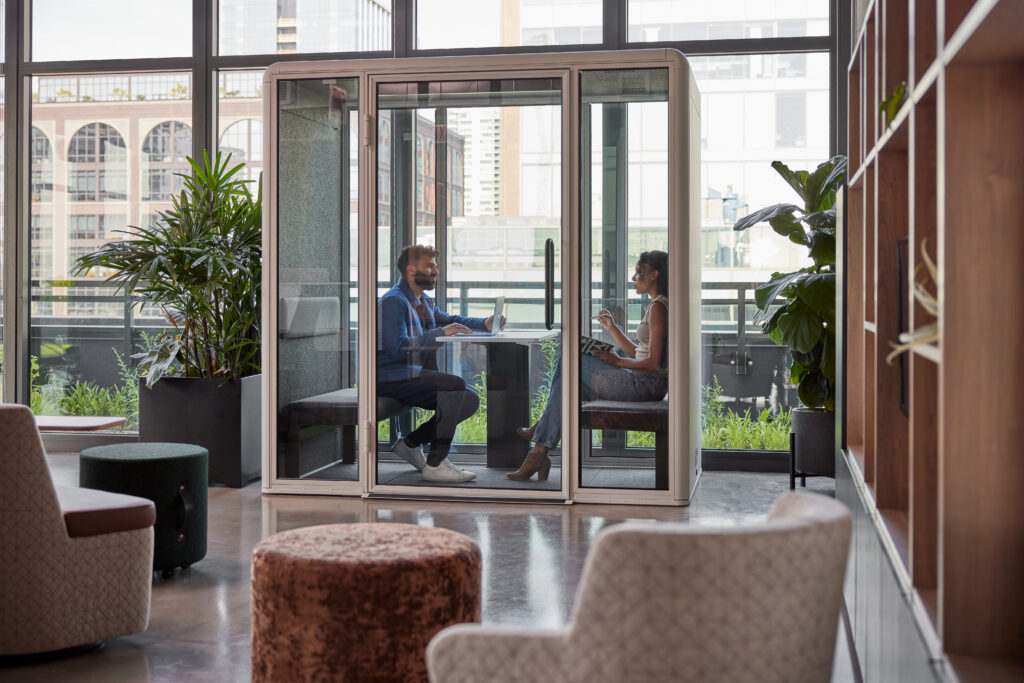
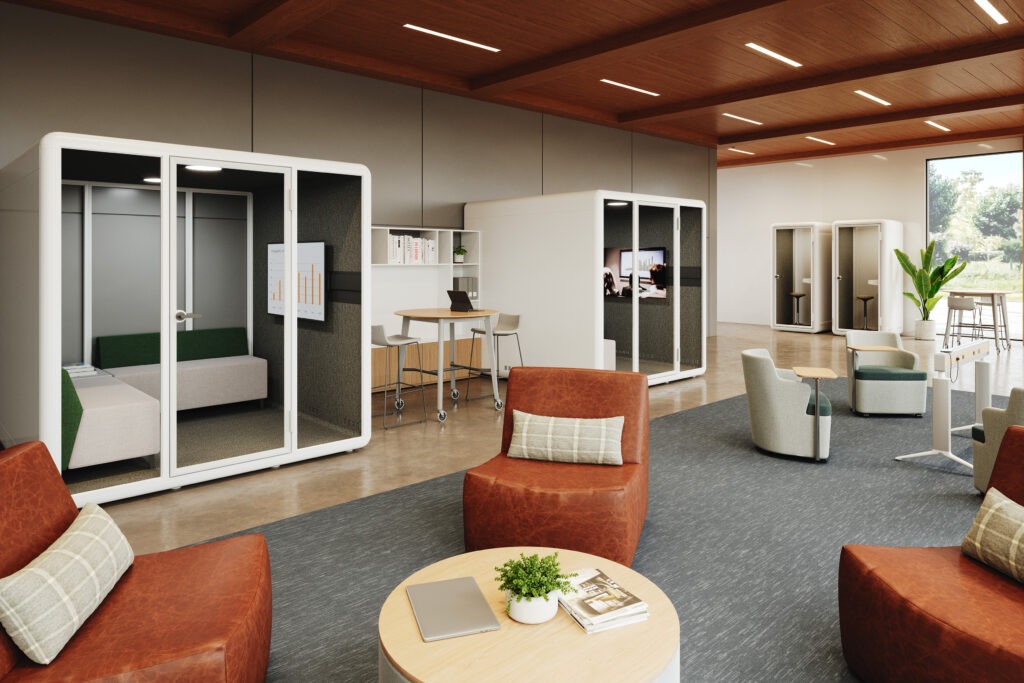
Phone calls and video meetings can quickly disrupt shared work areas. Pods can create a more appropriate place for short conversations, virtual meetings, and private calls.
Not every focus need requires a private office. Pods and small focus spaces can create quiet destinations for heads-down work, review time, or short-term concentration.
If large meeting rooms are constantly occupied by single-person calls, smaller focus spaces may help free up the rooms that should support group work.
Hybrid work creates more demand for spaces where people can join video meetings without disrupting others. Pods can support more controlled environments for sound, lighting, seating, and technology use.
Pods can add privacy within open areas, lounges, cafés, libraries, administrative zones, or shared workplaces without requiring every solution to be built into the building.
Different people need different settings throughout the day. Pods and focus spaces can support a healthier mix of open collaboration, quiet work, private calls, and short-term retreat.
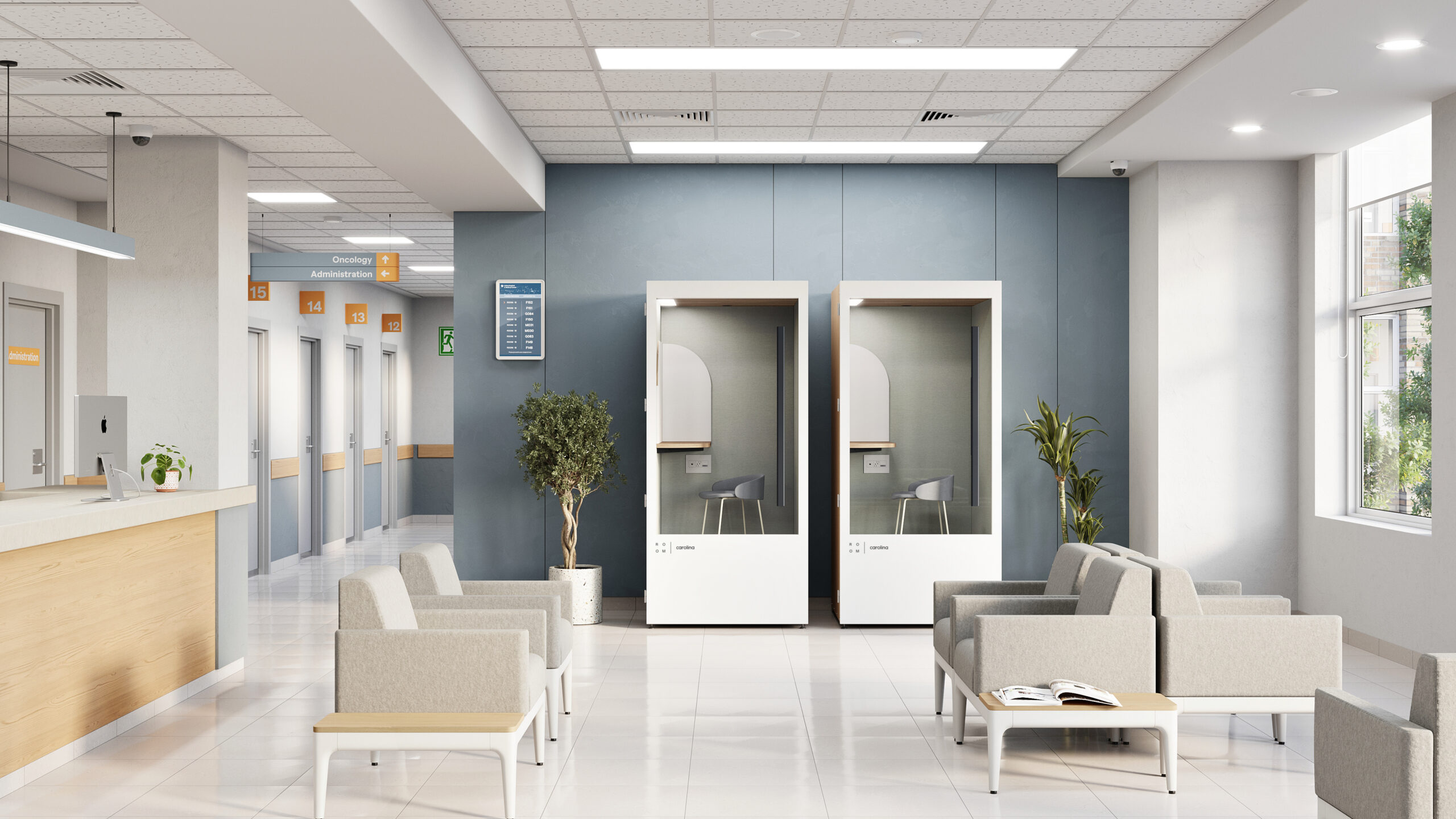
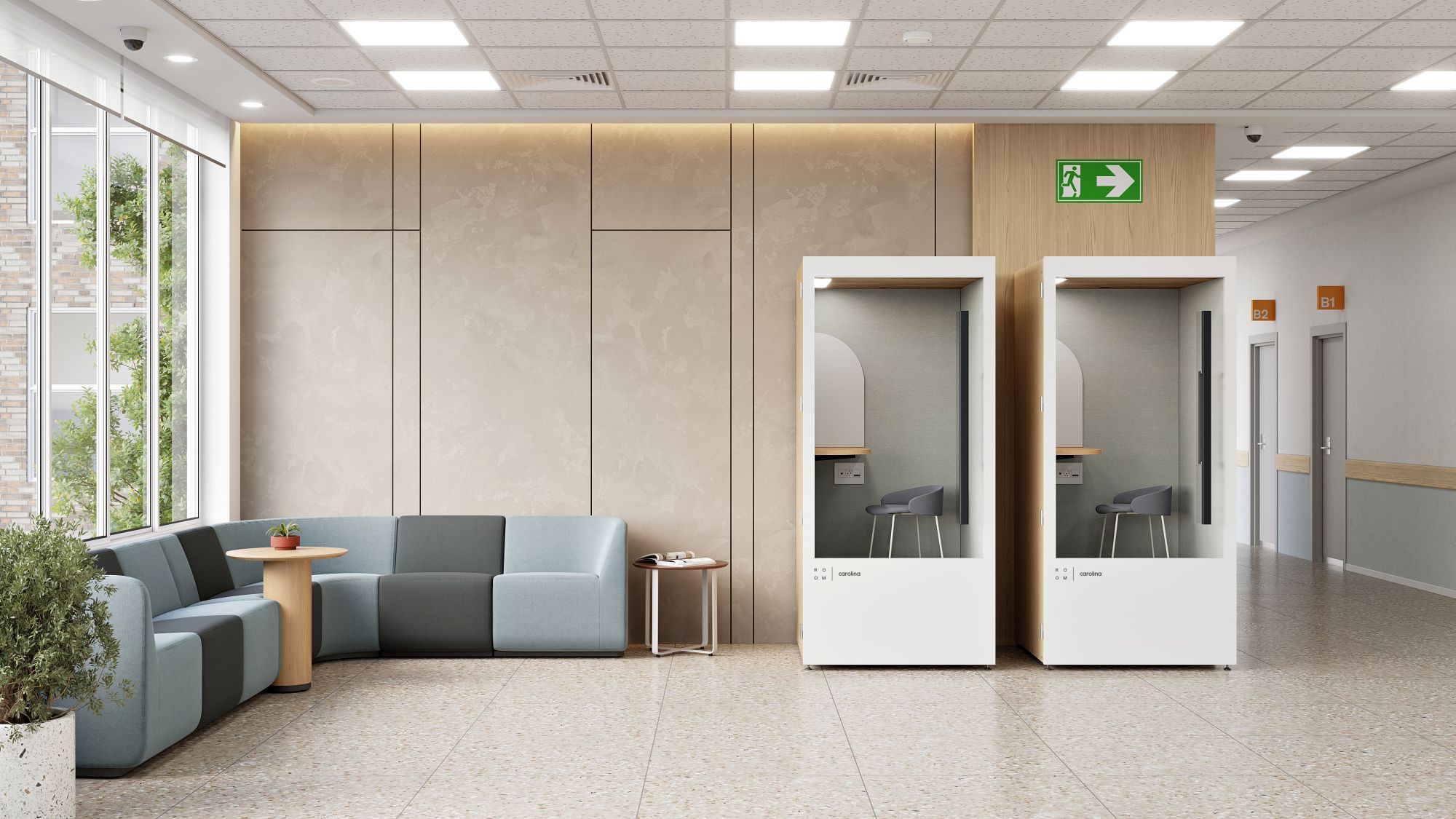
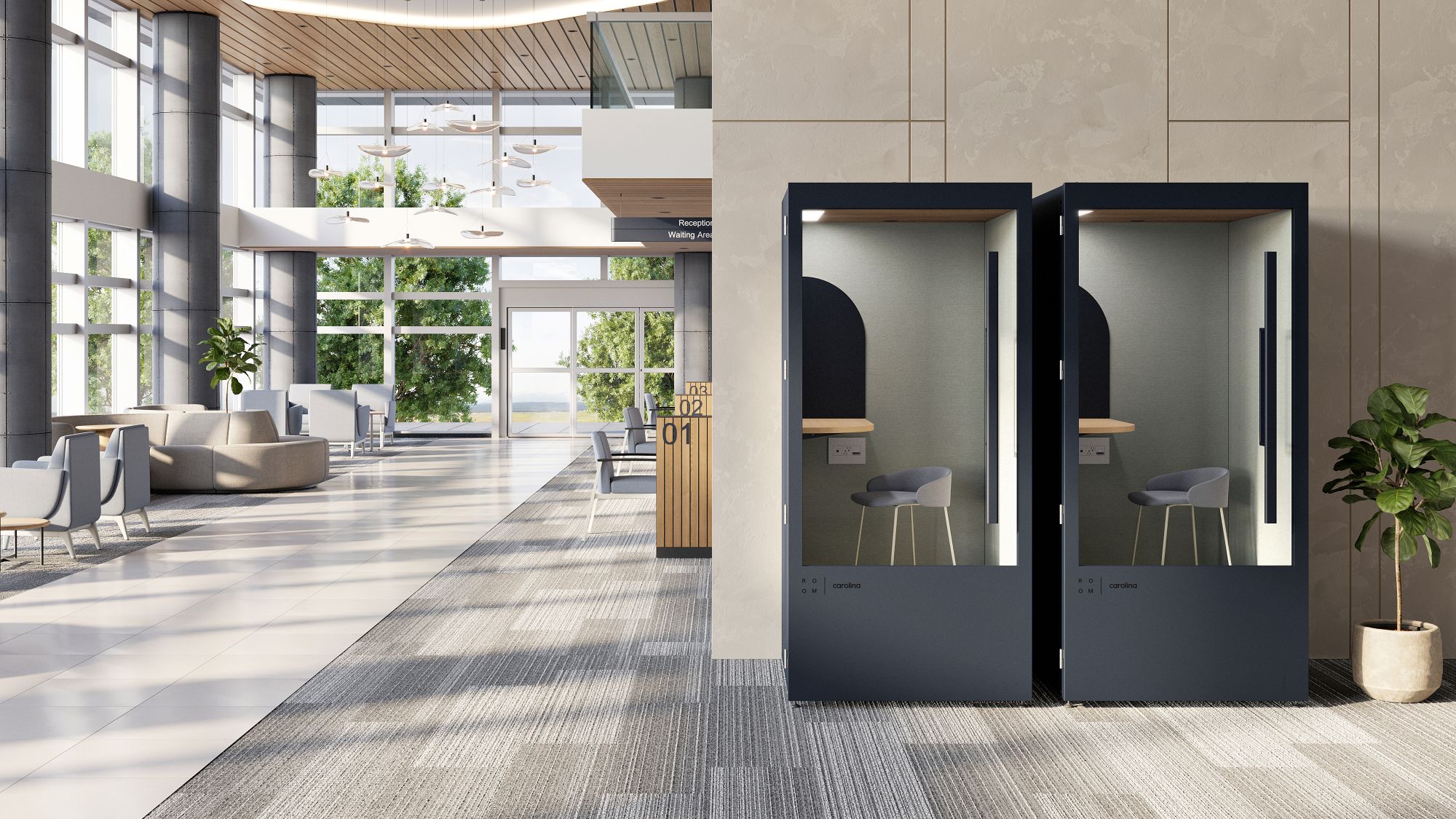
Phone booths and call pods are useful when people need a quick place for calls, virtual meetings, or sensitive conversations without occupying a larger room. They can reduce disruptions in open areas and make it easier for employees to take calls without leaving the workplace.
Our team helps evaluate the number of booths needed, where they should be placed, how they support ventilation, lighting, power, seating, standing use, acoustics, and how easily people can find and use them.
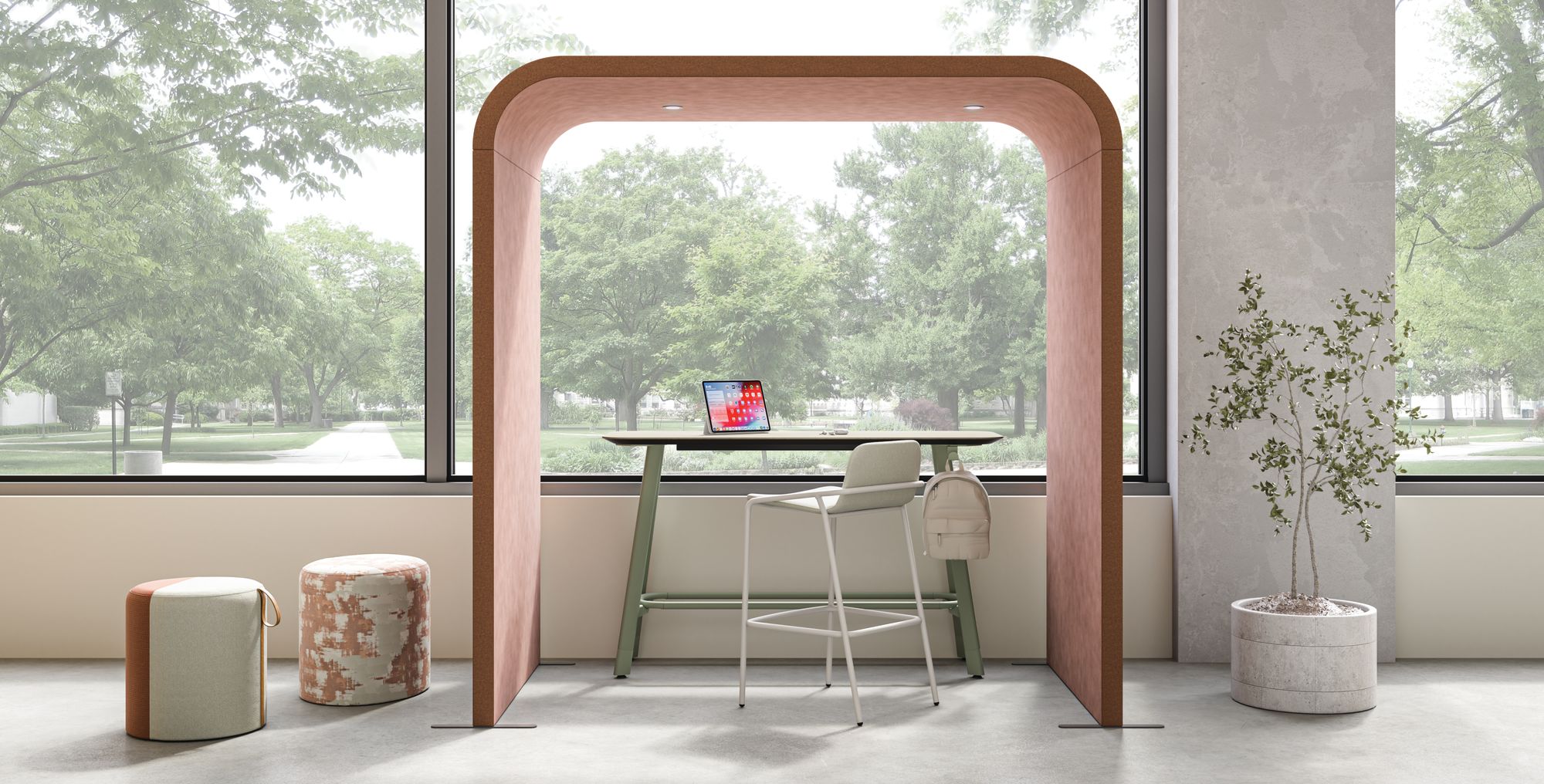
Solo focus pods give individuals a place to step away for concentrated work, reading, writing, research, or short-term tasks that need fewer distractions. These spaces are especially useful in open offices, libraries, student centers, administrative areas, and shared workplaces.
Together, we compare pod size, furniture fit, ventilation, lighting, privacy, acoustics, finish direction, and placement so the pod becomes useful instead of ignored.
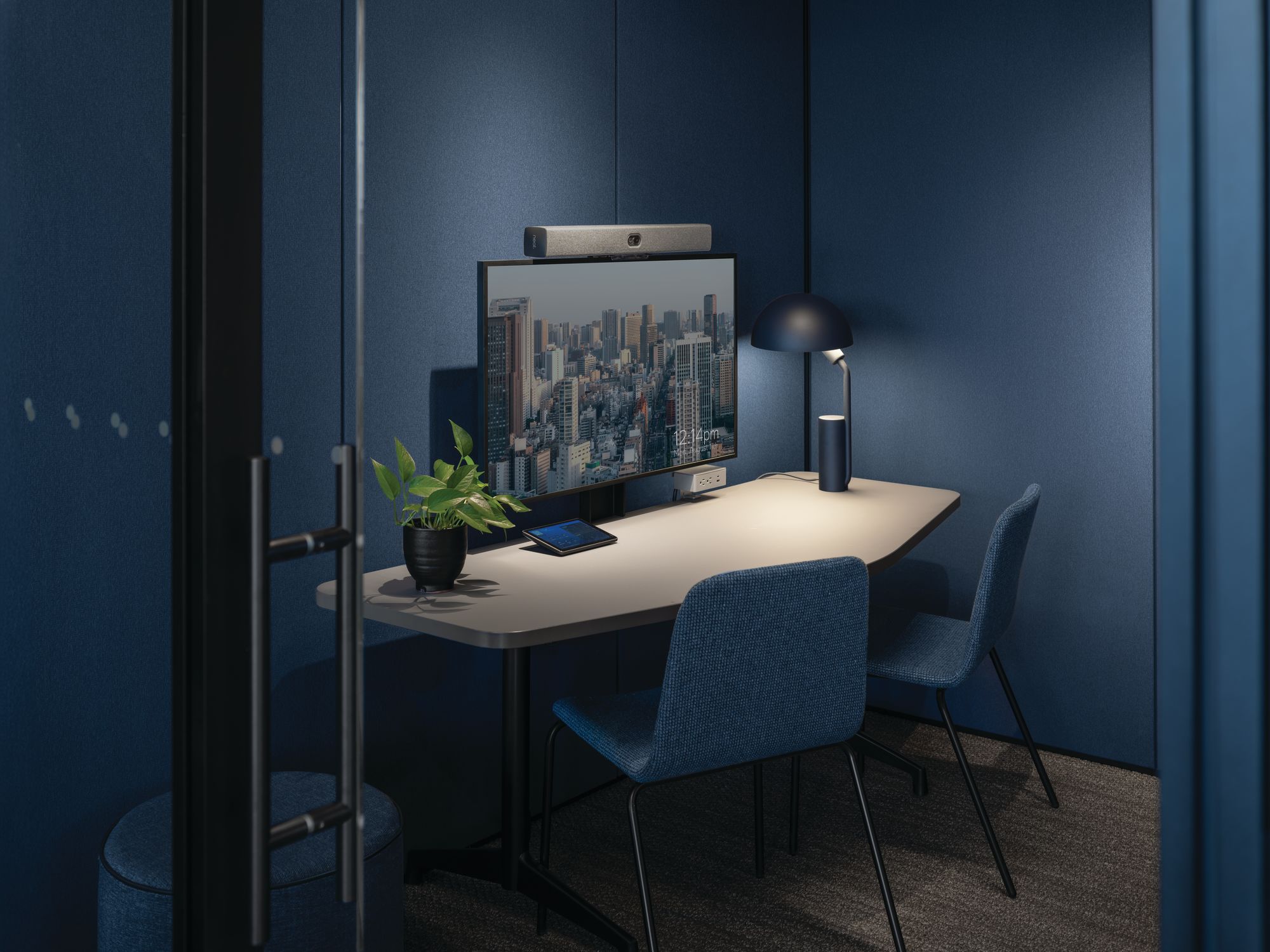
Video meetings work better when users have a controlled setting for sound, lighting, camera position, seating, power, and screen use. A video meeting pod can help create a more consistent experience for the person inside the pod and the people joining remotely.
We work with clients to evaluate pod layout, monitor support, power access, lighting, acoustics, seating, table size, and placement within the workplace.
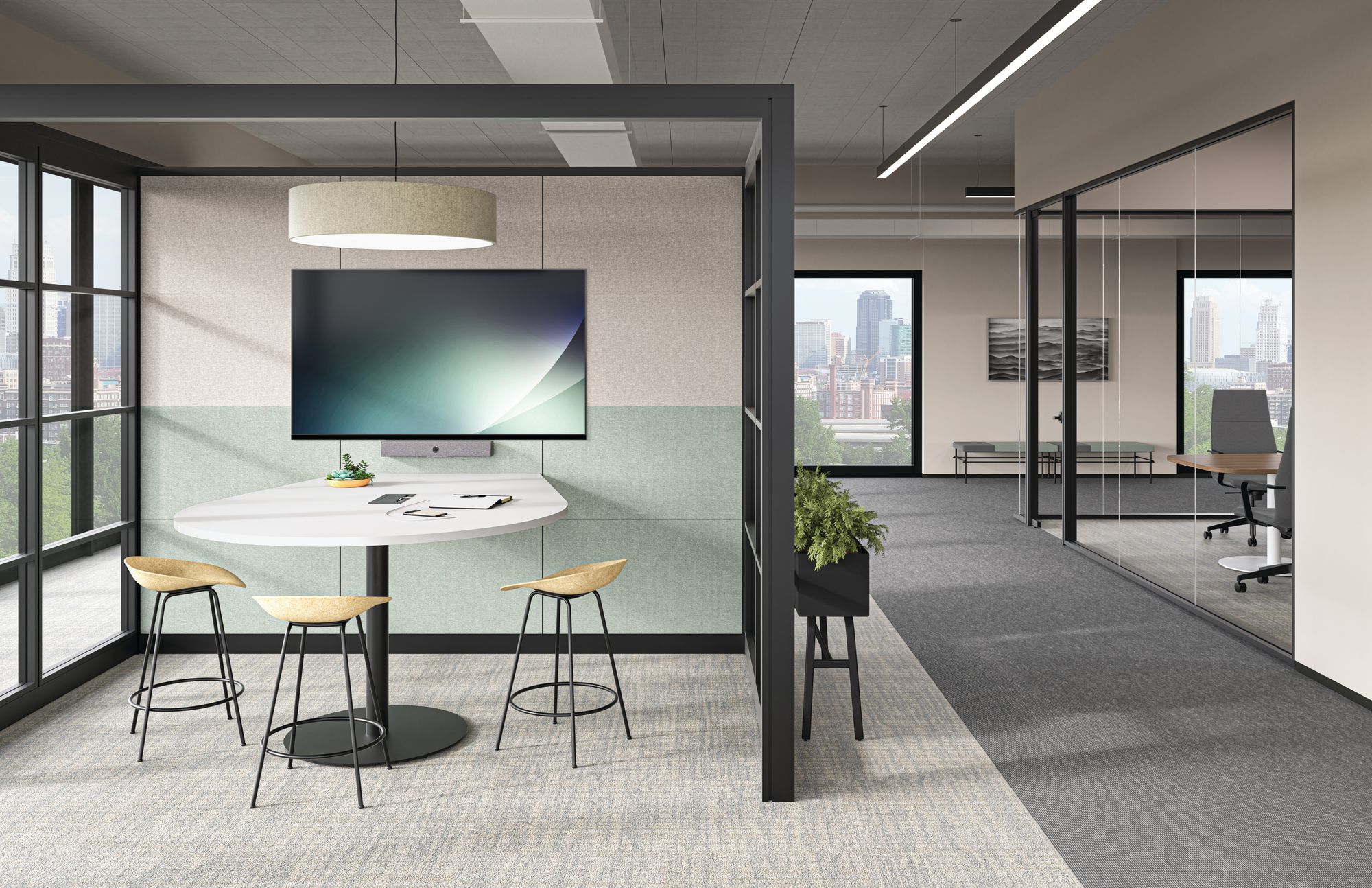
Some pods support more than one person and can provide an informal setting for one-on-ones, quick project reviews, coaching conversations, interviews, or small-group collaboration. These spaces can help reduce pressure on conference rooms while giving teams a more private place to connect.
MBI helps clients determine when a collaboration pod makes sense, how many people it should support, what technology is needed, and how it should fit with surrounding lounge, workstation, or meeting areas.
Focus spaces should not be treated as one-size-fits-all. Different users may need different room sizes, seating types, clearances, technology setups, lighting levels, privacy conditions, or accessibility considerations.
Kimball International’s pods offering includes single-person sit-down and stand-up pods, larger multi-guest pods, and an ADA-compliant model, with built-in power, ventilation, and personalized lighting.
We help think through user needs early so the final mix of pods and focus spaces is useful to more people, not just easy to place on a plan.
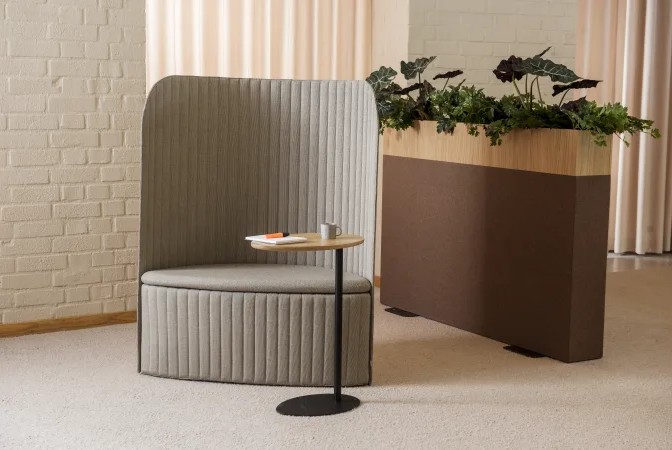
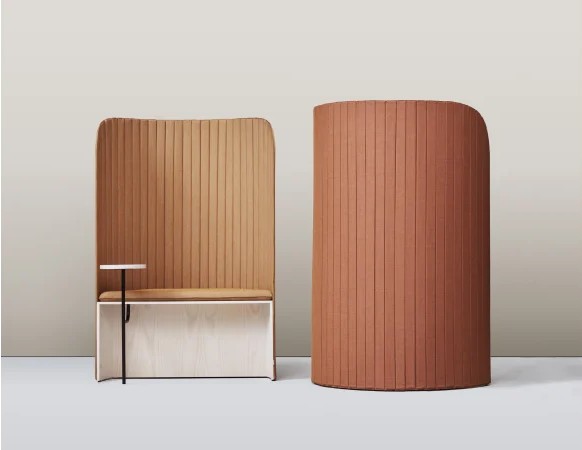
Not every focus space needs to be a pod. Some areas may be better served by acoustic lounge furniture, screens, freestanding dividers, modular walls, or a combination of products that create calmer zones within the open environment.
Our team helps compare pods against other focus-supporting options so the solution fits the actual need, not just the trend.