Acoustic wall treatments that help spaces feel calmer, clearer, and easier to use.

Acoustic wall treatments that help spaces feel calmer,

clearer, and easier to use.

If a room looks finished but still feels loud, acoustic walls may be part of the answer.

Hard surfaces, glass, open ceilings, concrete, and large shared spaces can make sound bounce around longer than people expect. Wall-mounted acoustic treatments can help soften that experience, but placement, amount, material, and room use matter. We work with clients to think through the problem before selecting products.

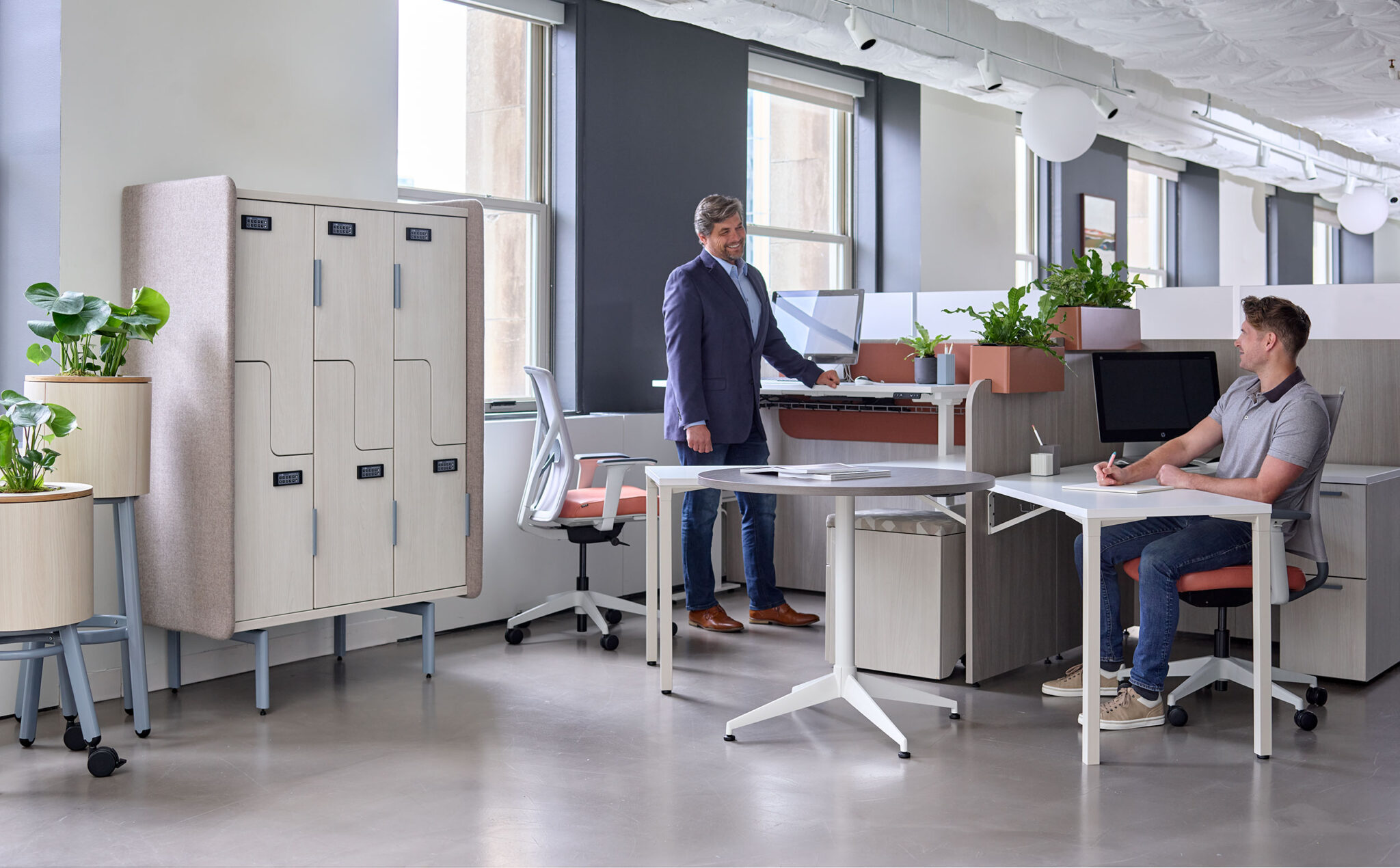
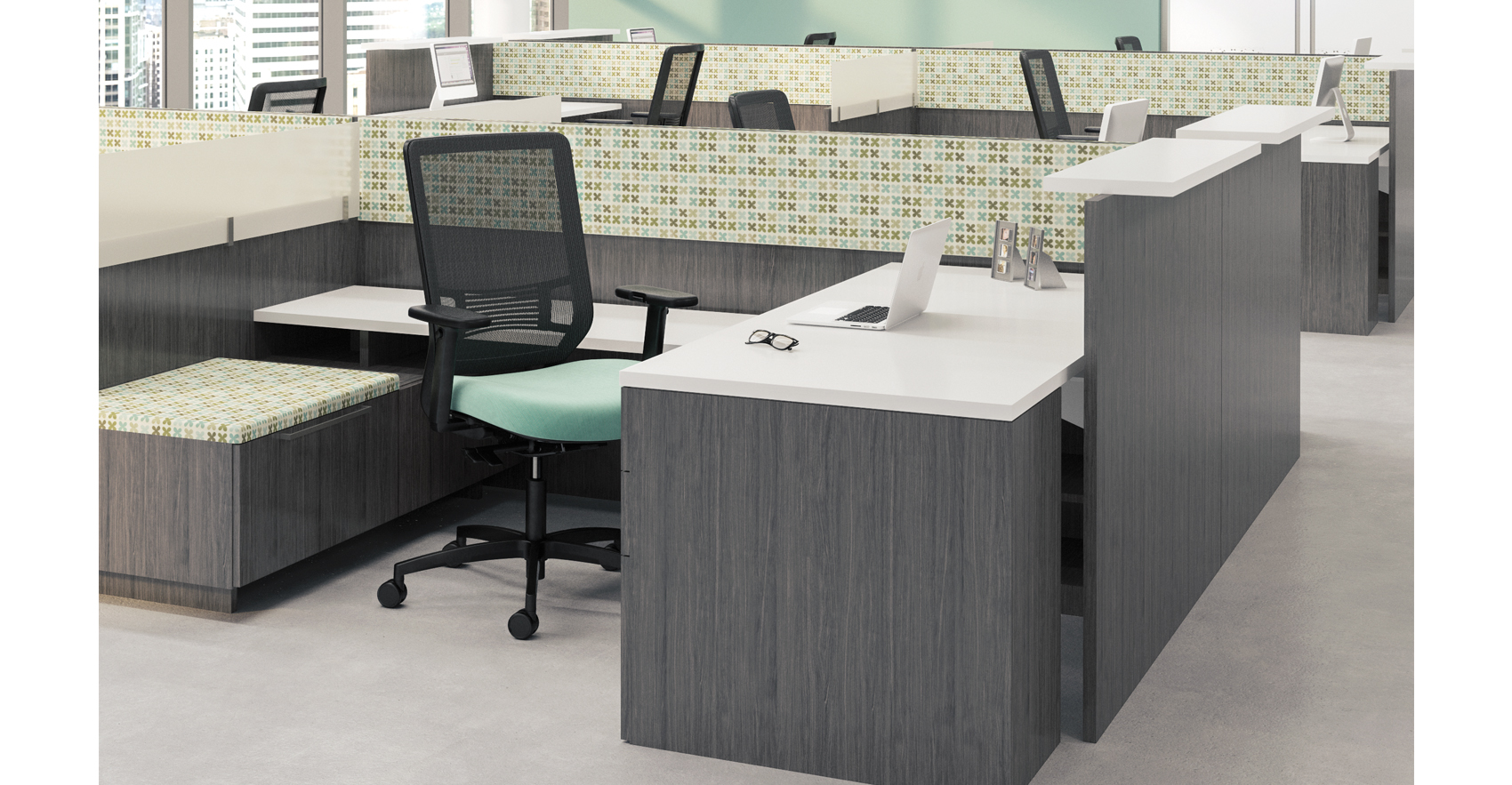
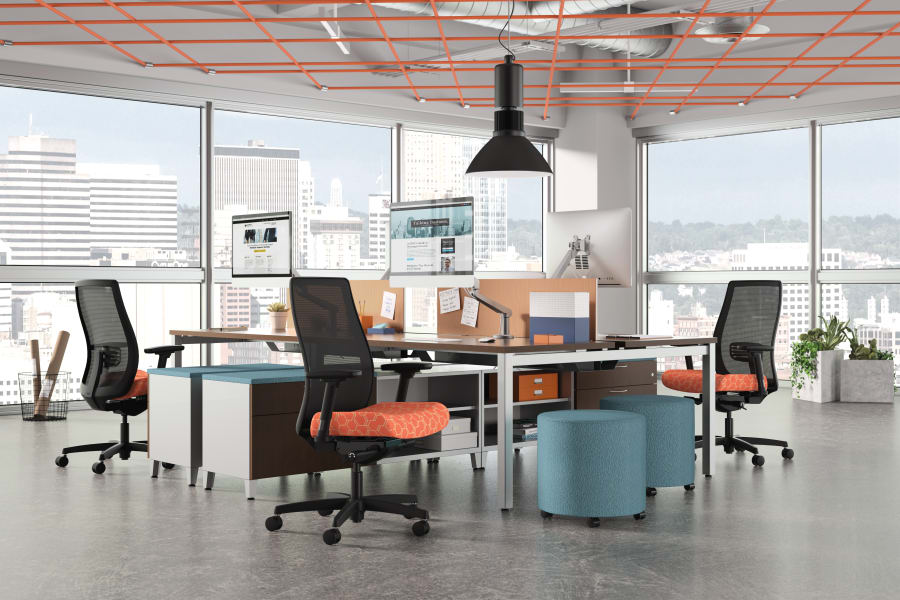
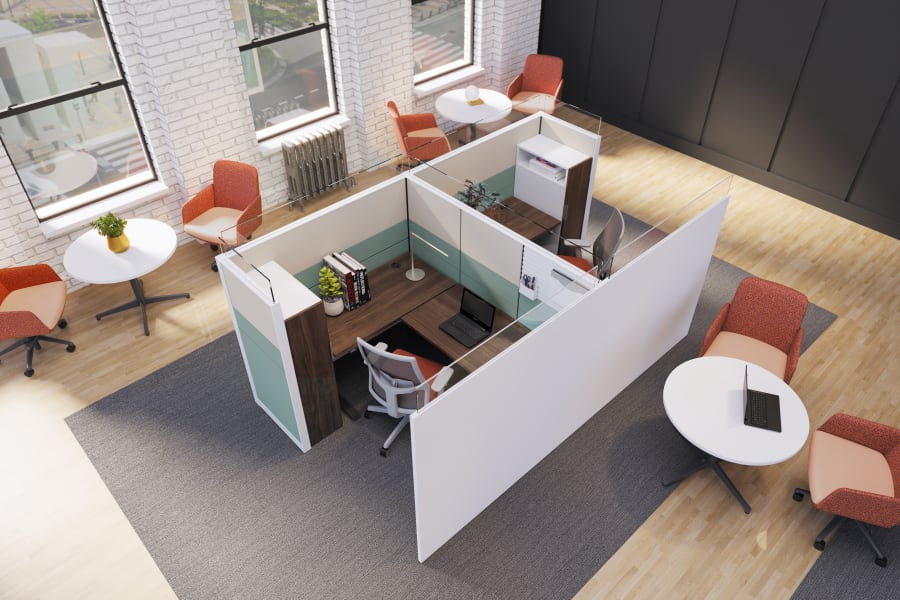
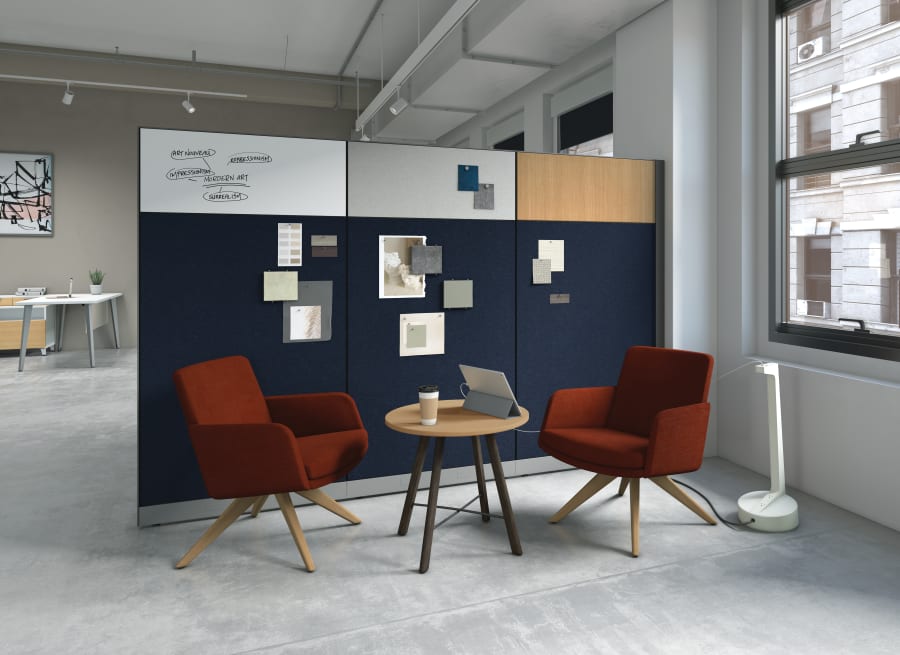
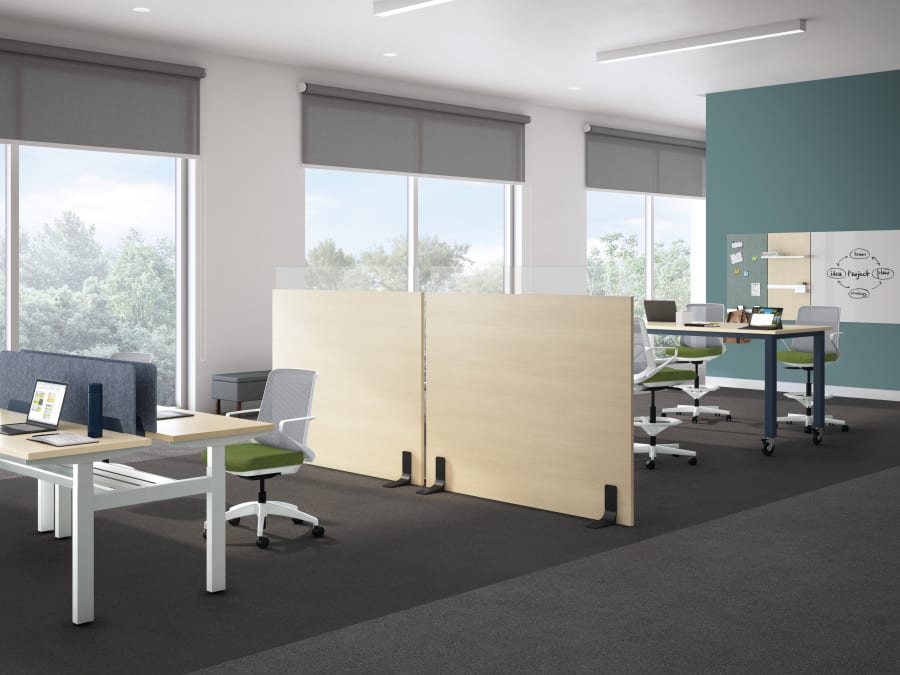
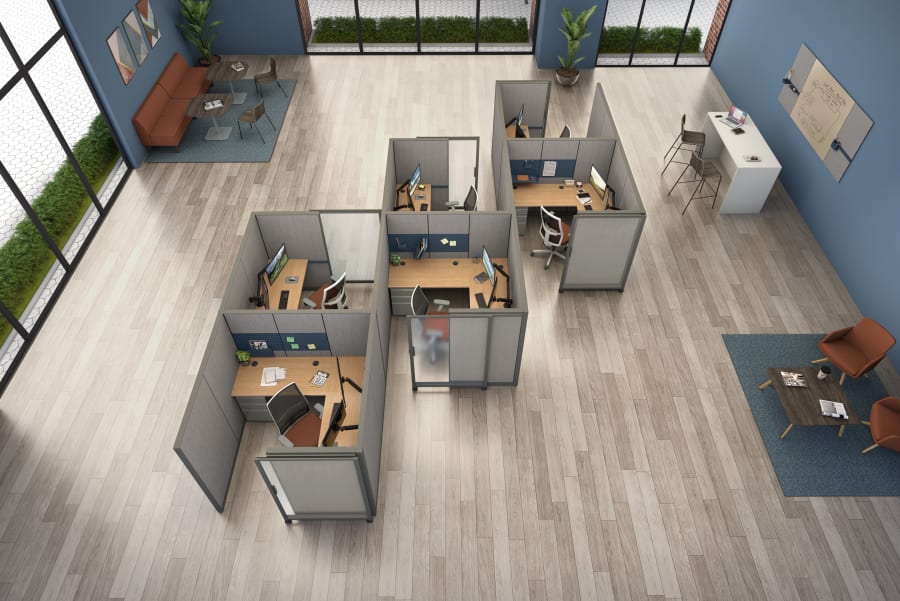
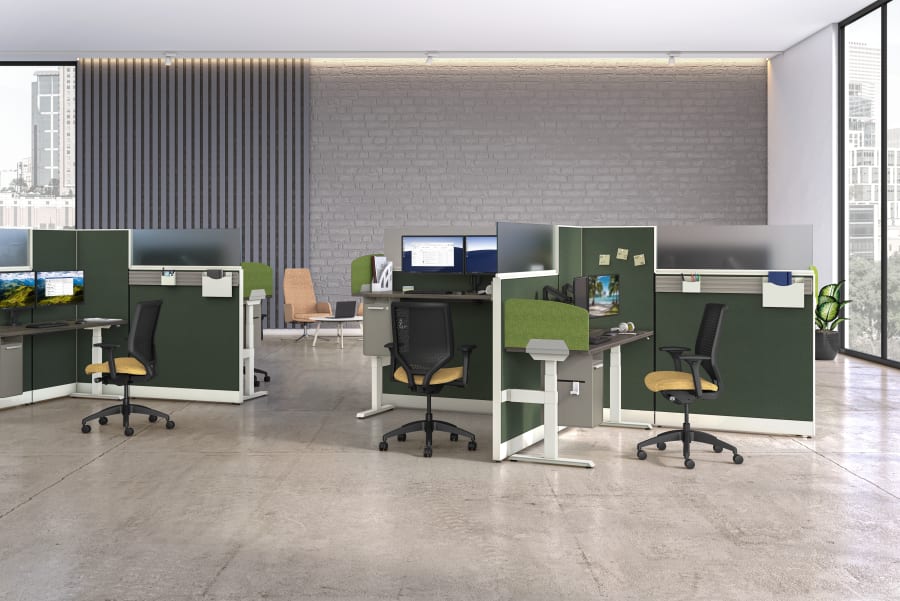
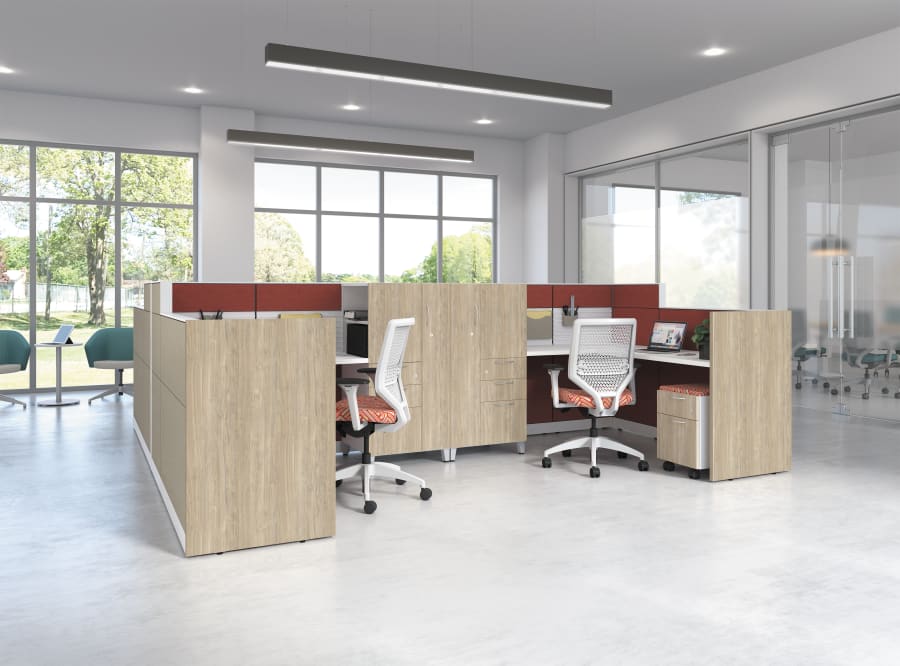
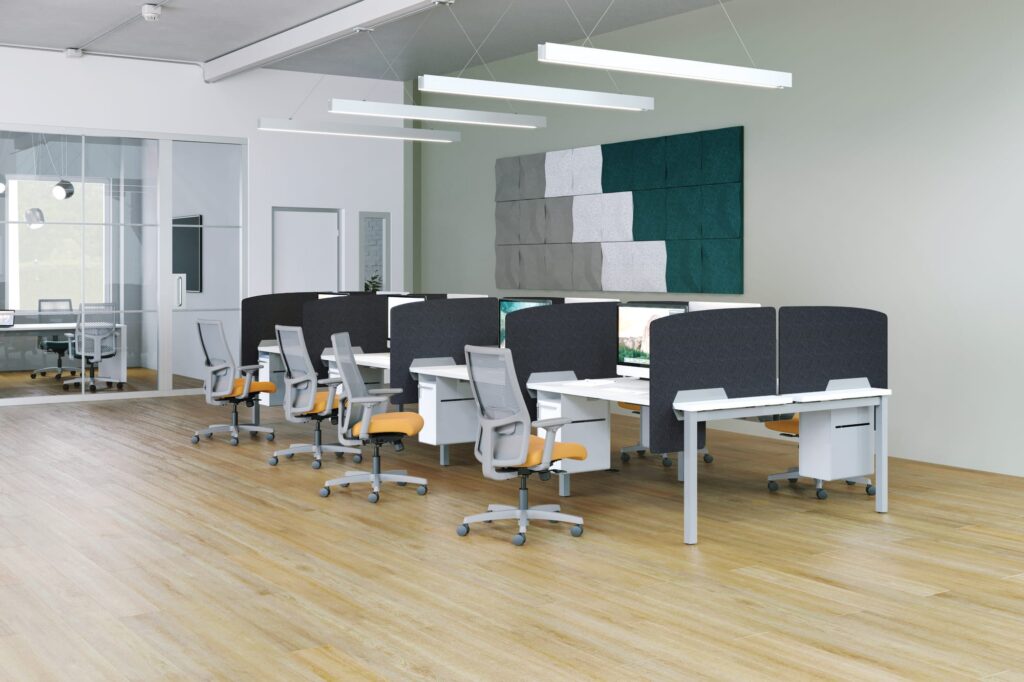
Open-plan office with clustered workstations, ergonomic chairs, privacy screens, suspended linear lighting, and geometric acoustic wall panels.

01 Your meeting rooms feel exposed or echo-heavy

Conference rooms, huddle rooms, boardrooms, and training rooms need to support clear conversation. Wall treatments can help reduce harsh sound reflections and make the room feel more comfortable for people inside.

02 Your open office carries too much sound

In open work areas, conversations can travel farther than intended. Wall-mounted acoustic treatments can be one part of a broader acoustic plan that also includes layout, screens, furniture, ceiling products, and focus spaces.

03 Your lobby, café, or waiting area feels too loud

Public-facing and high-traffic areas often combine hard surfaces with a lot of activity. Acoustic wall products can help soften the space so it feels more welcoming and less chaotic.

04 Your education or training space needs better speech comfort

Classrooms, libraries, training rooms, and student collaboration areas need people to listen, speak, and focus. Acoustic wall treatments can help make these rooms easier to use throughout the day.

05 Your space needs acoustic help without looking technical

Modern acoustic products can add texture, shape, color, graphics, or warmth while supporting sound absorption. Zilenzio’s acoustic panel guidance notes that wall and ceiling panel choices should be based on the room’s needs and the type of sound issue being addressed.

06 Your existing space needs a lower-disruption improvement

Wall-mounted acoustic treatments can often be added to existing rooms without reworking the entire space. MBI can help evaluate where they make sense and how they should coordinate with furniture, artwork, technology, and finishes.

Different rooms need different acoustic wall strategies.

A meeting room, lobby, classroom, open office, and waiting area may all use wall-mounted acoustic products, but they do not need the same approach. MBI helps clients compare options based on the sound problem, room size, surface conditions, design goals, budget, and installation needs.

01

Acoustic Panels for Meeting Rooms

Make conversation easier to hear and easier to hold.

Meeting rooms often combine glass, tables, hard flooring, screens, and closed surfaces that can make speech feel sharp or echo-heavy. Wall-mounted acoustic treatments can help soften the room so conversations, presentations, and hybrid meetings feel more comfortable.

We help think through panel placement, room layout, table size, seating, technology, wall space, and finish direction so the treatment supports the meeting experience instead of feeling like a late add-on.

02

Acoustic Wall Treatments for Open Offices

Reduce distraction where sound travels too easily.

Open offices can benefit from acoustic treatment when conversations, calls, and everyday activity carry across the floor. Wall-mounted treatments will not solve every open office sound issue by themselves, but they can help as part of a larger plan that includes workstation layout, screens, ceiling treatment, pods, and space division.

Our team helps identify where wall treatments can make a practical difference and where another acoustic or privacy solution may be a better fit.

03

Decorative Acoustic Panels

Add acoustic comfort without making the room feel engineered.

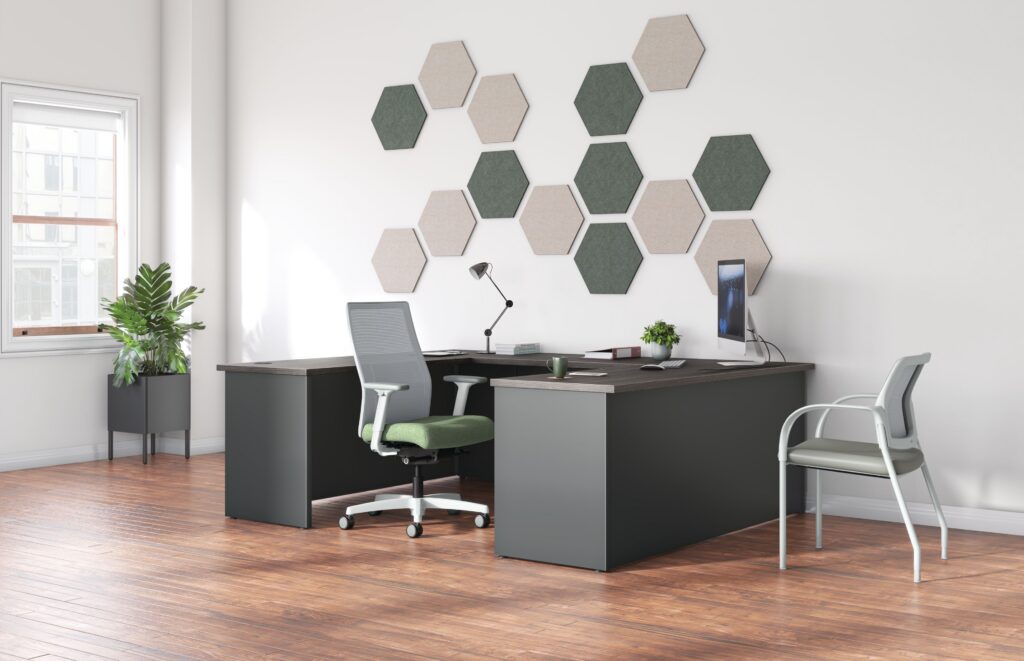
Acoustic treatments do not have to look like a technical fix. Decorative panels can bring color, texture, pattern, shape, or printed graphics into a space while also supporting sound absorption. This can be especially useful in lobbies, cafés, collaboration areas, classrooms, corridors, waiting spaces, and public-facing interiors.

Unika Vaev’s acoustic offering includes decorative wall panels, acoustic ceiling products, acoustic lighting, and screens, which shows how acoustic products can support both function and visual design.

04

Printed & Branded Acoustic Wall Treatments

Use acoustic surfaces to support the brand the room experience.

Some acoustic wall treatments can incorporate printed graphics, color blocking, patterns, or brand-focused visuals. This can be useful when a client wants acoustic support but also wants the wall treatment to feel intentional, custom, or connected to the identity of the space.

That means evaluating where printed or branded acoustic products make sense, how they should coordinate with the finish palette, and how to avoid making the room feel visually cluttered.

05

Acoustic Treatments for Waiting, Lobby & Public Spaces

Make high-activity spaces feel more comfortable.

Waiting areas, lobbies, cafés, and public-facing spaces often have more noise than people expect. Conversations, foot traffic, hard floors, glass, and open ceilings can make these areas feel louder and less comfortable.

We work with clients to evaluate wall-mounted acoustic treatments that support a calmer experience while still fitting the durability, maintenance, and design needs of the space.

06

Acoustic Treatments for Education & Learning Areas

Support rooms where listening, speaking, and focus matter.

Learning spaces ask a lot from sound. Students, instructors, staff, and visitors need spaces that support speech comfort, attention, group work, and independent focus. Wall-mounted acoustic treatments can help soften sound in classrooms, libraries, study rooms, student centers, training rooms, and multipurpose areas.

MBI helps clients compare acoustic products that fit the age group, activity level, durability needs, budget, and long-term use of the space.

07

Glass-Wall Acoustic Applications

Add acoustic support where wall space is limited or transparent.

Glass-front offices and meeting rooms can create a clean, open look, but they may still need acoustic support. In some cases, wall-mounted absorbers can be applied to glass surfaces or used on available surrounding walls to improve the room experience without losing the visual intent.

Zilenzio has introduced mounting options that allow wall-mounted sound absorbers to be installed directly onto glass surfaces, which may be relevant for glass-walled rooms where acoustic improvement is needed without changing the layout.


The right acoustic wall solution depends on the room, the sound issue, and the design intent.

MBI works with acoustic product partners that support a range of wall-mounted applications, from subtle sound absorption to decorative panels, printed graphics, and design-forward acoustic treatments. The goal is not to cover every wall. The goal is to place the right product where it can support the room’s function and the experience of the people using it.
Zilenzio workplace acoustic furniture and sound-management products logo
Unika Vaev acoustic materials and commercial interior products logo
MPS Acoustics commercial sound-management products logo
Lencore Acoustics workplace sound-masking and acoustic solutions logo

Need to make a room feel calmer, clearer, or more comfortable?

You do not need to know the exact panel, material, or acoustic product before starting the conversation. Tell us what feels too loud, echo-heavy, distracting, or uncomfortable. MBI can help compare wall-mounted acoustic treatments that fit your space, design intent, budget, and larger furniture or interiors plan.

faqs

What are wall-mounted acoustic treatments?
Wall-mounted acoustic treatments are products installed on vertical surfaces to help absorb sound and reduce echo or reverberation within a room. They may include fabric panels, felt panels, shaped absorbers, printed panels, decorative acoustic elements, or other sound-absorbing wall products.
Usually, no. Acoustic wall panels typically help absorb sound within a room and reduce echo or reverberation. Soundproofing is different and usually involves controlling sound transfer between spaces through walls, doors, seals, ceilings, and other building conditions.
They can be useful in meeting rooms, open offices, classrooms, libraries, lobbies, cafés, waiting areas, corridors, collaboration spaces, and other rooms where hard surfaces or activity levels make the space feel loud or distracting.
The right amount depends on the room size, surfaces, ceiling height, activity level, furniture, current sound issue, and desired result. MBI can help evaluate the space and compare product options rather than guessing based on wall size alone.
Yes. Many acoustic wall products are designed to add texture, shape, color, pattern, or printed graphics while supporting sound absorption. The best treatments should feel like part of the design, not a patch added after the fact.
Often, yes. Wall-mounted acoustic treatments can frequently be added to existing rooms, but wall conditions, mounting needs, furniture, artwork, technology, and room use should be considered before selecting products.
Sometimes. Some products and mounting methods can support acoustic treatment on or near glass surfaces, but the right approach depends on the product and the room conditions. MBI can help evaluate options for glass-front offices or meeting rooms.
No. Wall-mounted treatments may be one part of the solution. Depending on the sound issue, MBI may also recommend ceiling absorbers, acoustic screens, dividers, pods, furniture-based solutions, modular walls, or layout changes.
Bring MBI in early if acoustic comfort is important to the room. Wall treatments may need to coordinate with furniture, lighting, technology, artwork, finishes, room use, and installation timing.
Start with what feels wrong in the space. Tell MBI whether the issue is echo, loud shared areas, distracting conversations, poor meeting room comfort, or a space that simply feels too hard or harsh. From there, we can help compare wall-mounted acoustic treatment options.