
Redesigning a corporate office is an exciting opportunity for businesses to enhance their work environment, boost employee morale, and reflect the company’s evolving brand identity. However, this process requires careful planning and consideration to ensure it aligns with organizational goals and employee needs. Whether you’re moving to a new location or revamping your current space, understanding the key factors involved can make the difference between a successful redesign and a costly mistake.
In this comprehensive guide, we will explore the essential elements to consider before embarking on a corporate office redesign, ensuring that your project not only meets aesthetic aspirations but also enhances functionality and productivity.
Understanding the Purpose of the Redesign
Before diving into the logistics of redesigning your corporate office, it’s crucial to clearly define the purpose of the redesign. Are you looking to accommodate a growing workforce, enhance collaboration, or modernize outdated facilities? Understanding the primary objectives will help steer the project in the right direction and prioritize tasks effectively.
For instance, if the goal is to foster collaboration, consider open floor plans or dedicated collaboration zones. Conversely, if privacy and concentration are priorities, individual workstations or soundproof meeting rooms might be more appropriate. Aligning design choices with these objectives ensures that the new office space supports the company’s operational needs.
Aligning with Company Culture and Brand
Your office space is a physical extension of your company’s culture and brand. As such, the redesign should embody these elements to create a cohesive experience for both employees and visitors. Consider incorporating brand colors, logos, and themes throughout the office to reinforce company identity.
Additionally, the design should reflect company values. For example, if sustainability is a core value, integrating eco-friendly materials and energy-efficient systems can demonstrate commitment in a tangible way. Ultimately, a well-designed office that reflects company culture can enhance employee satisfaction and attract top talent.
Planning for Future Growth
While addressing current needs is essential, it’s equally important to consider future growth when redesigning a corporate office. Businesses should anticipate changes in team size, technological advancements, and industry trends that may impact office space requirements. Flexibility is key, allowing the office to adapt without necessitating frequent overhauls.
Modular furniture, scalable infrastructures, and multipurpose spaces can provide the adaptability needed to accommodate growth. Additionally, implementing advanced technology solutions can future-proof the office, enabling seamless integration of new tools and processes as they emerge.
Budgeting and Financial Considerations
Setting a realistic budget is a critical step in the redesign process. Costs can quickly escalate without careful financial planning, affecting the overall success of the project. It’s important to account for all potential expenses, including construction, furniture, technology, and unforeseen contingencies.
Engaging with a professional project manager or interior designer can provide valuable insights into cost-effective solutions and help manage the budget efficiently. Additionally, exploring financial management strategies can aid in aligning the redesign with broader financial goals.
Incorporating Employee Feedback
Employees are the primary users of office spaces, and their input can provide valuable perspectives on what works and what doesn’t. Conducting surveys, focus groups, or one-on-one interviews can help gather insights into employee preferences and pain points.
By involving employees in the redesign process, businesses can create an environment that not only meets operational needs but also enhances employee satisfaction and productivity. This collaborative approach can foster a sense of ownership and investment in the new office space.
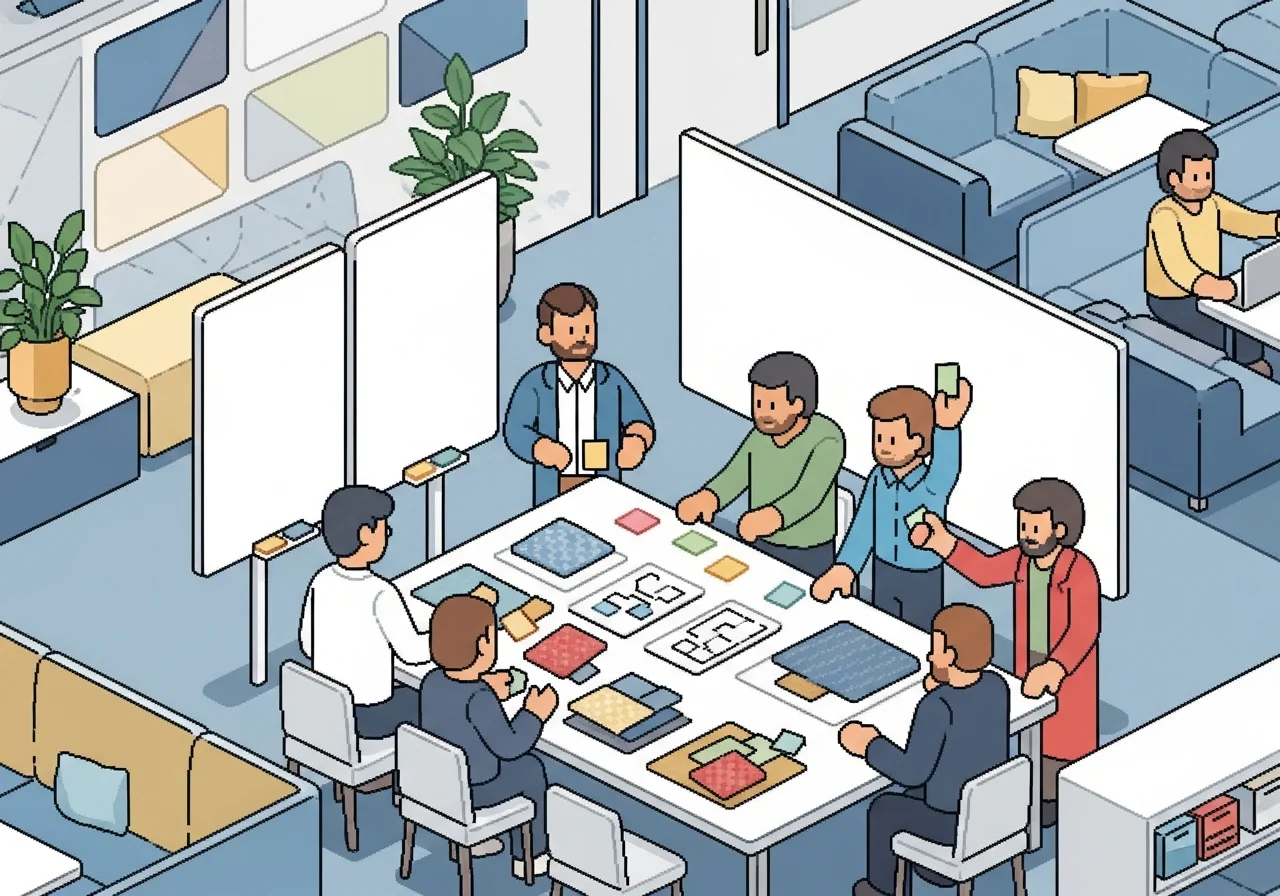
Balancing Aesthetics and Functionality
While aesthetics play a significant role in creating an inviting and inspiring workspace, functionality should never be compromised. The layout, furniture, and amenities should facilitate efficient workflows and support the day-to-day activities of employees.
For example, ergonomic furniture can reduce physical strain, while strategically placed breakout areas can offer opportunities for relaxation and informal collaboration. Striking the right balance between aesthetics and functionality is essential for creating a space that is both beautiful and practical.
Ensuring Compliance with Regulations
Corporate office redesigns must adhere to a variety of regulations and standards, including building codes, health and safety requirements, and accessibility standards set by organizations like the Occupational Safety and Health Administration (OSHA). Non-compliance can result in legal issues and costly fines.
Engaging with professionals who are knowledgeable about these regulations can ensure that your redesign complies with all necessary legal requirements. Additionally, conducting a thorough risk assessment can help identify potential hazards and implement measures to mitigate them.
Technology Integration
In today’s digital age, technology integration is a critical component of office redesigns. Ensuring that the office is equipped with the latest technology can enhance productivity, streamline communication, and support remote work capabilities.
Considerations should include robust IT infrastructure, high-speed internet, and advanced communication tools. Additionally, integrating smart technologies, such as automated lighting and temperature controls, can enhance energy efficiency and create a more comfortable work environment.
Takeaways
Redesigning a corporate office is a complex endeavor that requires careful consideration of various factors. By understanding the purpose of the redesign, planning for future growth, involving employees, and ensuring compliance with regulations, businesses can create a space that reflects their brand, supports their operations, and enhances employee well-being.
Ultimately, a thoughtfully designed office can serve as a powerful tool for attracting talent, fostering innovation, and driving business success. For more comprehensive insights, consider exploring resources such as office layout planning guides to ensure every aspect of your redesign is strategically aligned with your organization’s goals.
As you embark on the redesign journey, it’s important to remember that the process doesn’t end once the new space is operational. Continuous evaluation and adaptation are necessary to ensure that the office environment remains conducive to productivity and employee satisfaction.
Post-Redesign Evaluation and Feedback
Once the redesign is complete and employees have settled into the new space, conducting a post-redesign evaluation can provide valuable insights into its effectiveness. This evaluation should assess whether the redesign has met the original objectives and identify any areas for improvement.
Collecting feedback from employees is crucial in this phase. Surveys or feedback sessions can help gauge employee satisfaction with the new layout and identify any persisting challenges. By actively listening to employee input, businesses can make informed adjustments to optimize the work environment continually.
Monitoring Productivity and Performance
An important aspect of the post-redesign phase is monitoring productivity and performance metrics. An effective office redesign should translate into enhanced productivity and collaboration among employees. By analyzing performance data, businesses can assess whether these goals have been achieved.
If certain areas of the office aren’t being utilized as intended or if productivity hasn’t improved, it may be necessary to make further adjustments. Flexible spaces that can be easily reconfigured allow companies to experiment with different layouts and find the optimal arrangement for their teams.
The Role of Change Management
Implementing a corporate office redesign involves significant change, which can be challenging for employees. Change management strategies are essential to help staff transition smoothly and embrace the new environment. Effective change management can minimize resistance, ensuring a more successful implementation.
Clear communication is key in this process. Providing employees with regular updates about the redesign timeline, transition plans, and expected benefits can alleviate uncertainties. Offering training sessions or orientation programs can also help employees adapt to new technologies or work processes introduced with the redesign.

Fostering a Culture of Adaptability
Creating a culture of adaptability is critical in an ever-evolving business landscape. Encouraging employees to embrace change and see it as an opportunity for growth can foster a more resilient and agile workforce. Leadership plays a vital role in setting this tone by demonstrating openness to feedback and willingness to adapt as needed.
Celebrating successes and milestones achieved during the redesign process can also boost morale and reinforce a positive attitude toward change. Recognizing employee contributions and efforts can further enhance engagement and commitment to the company’s vision and goals.
Leveraging External Expertise
While some businesses may have in-house expertise to manage an office redesign, many benefit from engaging external professionals. Interior designers, architects, and project managers bring specialized knowledge and experience that can streamline the process and ensure a high-quality outcome.
Hiring experts can also provide access to innovative design solutions and industry best practices. Their insights can help identify potential challenges early on and develop strategies to overcome them, ultimately saving time and resources.
Choosing the Right Partners
When selecting external partners for your redesign project, it’s important to choose those with a proven track record in corporate office design. Reviewing portfolios and client testimonials can provide a sense of their style and approach. Additionally, seeking out firms that prioritize sustainable and inclusive design practices can align with broader organizational values.
Effective collaboration with external partners relies on clear communication and shared goals. Establishing regular check-ins and maintaining open lines of communication can ensure that the project stays on track and meets the desired outcomes.
Takeaways
Redesigning a corporate office is a multifaceted endeavor that extends beyond aesthetics. By considering factors such as company culture, future growth, employee feedback, and regulatory compliance, businesses can create a workspace that enhances productivity and employee satisfaction.
Through careful planning, ongoing evaluation, and effective change management, a corporate office redesign can become a powerful catalyst for organizational success. For further exploration of the intricacies involved in office design, you may find resources such as the Workplace Design Guide invaluable in guiding your project to fruition.
Need help with What to Consider Before Redesigning a Corporate Office?