
In the dynamic world of business, the need for change is constant. Whether it’s due to growth, downsizing, or strategic shifts, companies often face the decision of whether to reconfigure their current office space or relocate to a new one. Each option has its own set of advantages and challenges, and choosing the right path is crucial for operational efficiency and employee satisfaction.
Understanding the nuances of office reconfiguration versus relocation can help decision-makers select the best course of action. This comprehensive guide delves into the key factors to consider, offering insights to help you make an informed decision.
Understanding Office Reconfiguration
Office reconfiguration involves modifying the existing workspace to better suit the current needs of the business. This could mean rearranging furniture, changing the layout, or even integrating new technology to enhance productivity. The process can be as simple as switching cubicles or as complex as a complete redesign of the office floor plan.
One of the primary benefits of reconfiguring an office is cost savings. Compared to relocation, reconfiguration usually incurs lower expenses since it typically doesn’t involve moving costs, deposits for new spaces, or lengthy lease negotiations. Furthermore, staying in the same location can be less disruptive for employees, maintaining their commute patterns and preserving the local business relationships already established.
However, reconfiguration may not always be the ideal solution. Space limitations in the current office might restrict the extent of changes possible, thereby limiting growth or new functionalities. It’s essential to evaluate whether the existing space can realistically meet the future needs of the business.
Examples of Successful Reconfiguration
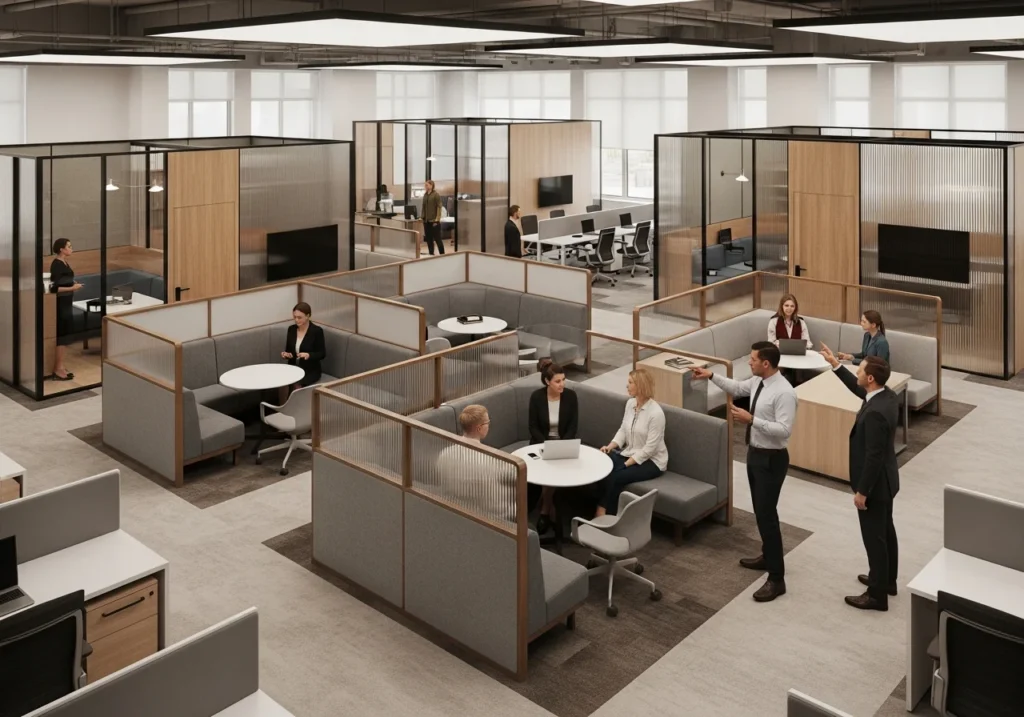
Some companies have successfully reconfigured their workspaces to accommodate changing needs. For instance, tech firms often adopt open-plan layouts to foster collaboration, while others might integrate more meeting rooms or quiet zones to cater to diverse working styles. These changes often lead to increased productivity and employee satisfaction.
Moreover, modern office designs often incorporate flexible workspaces, which can be easily adjusted for various activities, from team meetings to solo work. The inclusion of movable walls and modular furniture can provide the adaptability needed to respond to evolving business needs.
Exploring Office Relocation
Office relocation involves moving the entire business operation to a new location. This decision may be driven by a need for more space, better facilities, or a more strategic location. Relocation can offer a fresh start and an opportunity to design the office environment from scratch, tailoring it precisely to the company’s requirements.
One of the significant advantages of relocation is the ability to choose a location that better aligns with the company’s goals. For example, being closer to clients or talent pools can enhance business operations. Relocation can also offer improved infrastructure, such as advanced technology capabilities or enhanced amenities, which can be attractive for both employees and clients.
However, the process of moving is not without its challenges. Relocation can be costly, with expenses including moving services, new leases, and potential downtime during the transition. Additionally, it can be disruptive for employees, who may face longer commutes or need to adapt to new surroundings.
Considerations for a Successful Relocation
When planning a relocation, it is crucial to consider several factors to ensure a smooth transition. Engaging with employees early in the process can help in understanding their needs and concerns, which can aid in designing a new space that promotes satisfaction and productivity.

Additionally, thorough research into potential new locations can prevent unforeseen issues. Analyzing factors such as accessibility, local amenities, and future growth predictions of the area can ensure the new office supports the company’s long-term objectives. For more guidance, consider reviewing this CDC guide on workplace relocation.
Comparing Costs and Benefits
When deciding between reconfiguration and relocation, cost is a significant factor. Reconfiguration generally involves lower costs, as it doesn’t require moving expenses or the costs associated with setting up in a new location. However, it might not always address all the space or technological needs of a growing company.
On the other hand, relocation can provide long-term benefits that justify the initial investment. A new location might offer lower rental rates, tax benefits, or incentives that a company can leverage. Additionally, the opportunity to design an office space from the ground up allows for integrating modern design trends and technologies that can enhance productivity.
Long-term Impact on Company Culture
The choice between reconfiguring an existing office and relocating can significantly impact company culture. A well-planned reconfiguration can breathe new life into a workspace, encouraging collaboration and innovation without disrupting the established office culture.
Conversely, relocation offers a chance to redefine company culture and improve employee morale. Moving to a new space can be invigorating, providing a shared experience that can strengthen team bonds. It also offers the opportunity to create a work environment that better reflects the company’s values and vision.
Making the Right Choice
Deciding between office reconfiguration and relocation requires careful consideration of multiple factors, including cost, impact on employees, future business needs, and company culture. Both options have distinct advantages and potential drawbacks, and the right choice depends on the specific circumstances of your business.
For companies with space constraints or those looking to optimize their current environment without significant disruption, reconfiguration might be the best route. However, if space limitations hinder growth or the current location no longer aligns with strategic goals, relocation could provide the opportunity for a fresh start and enhanced capabilities.
Ultimately, the decision should align with the long-term vision of the company, ensuring that the chosen solution supports both current operations and future aspirations. By thoroughly evaluating the options and considering the insights shared in this guide, businesses can make an informed decision that fosters growth and success.
Evaluating the Role of Technology
In the modern business landscape, technology plays a pivotal role in shaping office environments. Whether opting for reconfiguration or relocation, integrating the right technological solutions can significantly enhance productivity and operational efficiency. For businesses considering reconfiguration, incorporating advanced technology might involve upgrading existing systems, such as enhancing network infrastructure or implementing smart office solutions like IoT devices for energy management and security.
Relocation offers the unique opportunity to design an office around the latest technology trends from the outset. This can include setting up dedicated spaces equipped with high-tech conferencing solutions, implementing advanced security systems, and ensuring robust connectivity throughout the office. Additionally, relocating may provide access to areas with better internet infrastructure, which can be crucial for tech-driven companies that rely heavily on digital communication and cloud-based services. For more on the impact of technology in office spaces, explore this BBC article on office design trends.
Future-Proofing Your Office Strategy
Whether you choose to reconfigure or relocate, future-proofing your office strategy is essential. This involves anticipating future trends and ensuring your office setup can adapt accordingly. For instance, the rise of remote work has highlighted the need for flexible workspaces and robust virtual collaboration tools. Ensuring that your office can support hybrid work models will be a significant consideration for many businesses.
In the context of reconfiguration, this might mean creating multi-use spaces that can be easily adapted to different functions or investing in technology that supports seamless remote and in-office integration. For relocation, choosing a space with room for expansion and adaptable infrastructure can be a wise move, allowing the company to grow and evolve without the need for another immediate move.
Environmental and Sustainability Considerations
As businesses become more environmentally conscious, the sustainability of office spaces has become a vital factor in decision-making. Both reconfiguration and relocation present opportunities to enhance sustainability, though in different ways. Reconfiguring an existing space can involve implementing eco-friendly practices such as upgrading to energy-efficient lighting, improving insulation, or incorporating recycling programs.
Relocation can provide a chance to select a building that meets green building standards, such as LEED certification. This can include features like solar panels, green roofs, and state-of-the-art HVAC systems that reduce energy consumption. Not only does this align with corporate social responsibility goals, but it can also result in cost savings through reduced utility expenses. For more information on sustainable office practices, visit the EPA’s guide to greener products.
Aligning with Corporate Responsibility Goals
When making the decision between reconfiguration and relocation, aligning with broader corporate responsibility goals is essential. Sustainable practices can enhance brand reputation and attract talent who prioritize working for environmentally responsible employers. Companies should evaluate how their office strategy reflects their commitment to sustainability and how it can be leveraged as a competitive advantage.
Moreover, engaging employees in sustainability initiatives during the reconfiguration or relocation process can foster a sense of community and shared purpose, further enhancing company culture and employee engagement.
Practical Steps for Implementation
Once a decision has been made, implementing the chosen strategy requires careful planning and execution. For reconfiguration, this involves detailed planning to minimize disruption. It’s important to communicate clearly with employees about changes, timelines, and expected outcomes. Partnering with experienced designers or space planners can also ensure that the reconfiguration meets the company’s goals effectively.
In the case of relocation, a comprehensive relocation plan is essential. This plan should cover logistics, timelines, and contingency strategies to handle unexpected challenges. Involving employees in the process and keeping them informed can help ease the transition. Additionally, working with professional moving services and real estate consultants can ensure that the move is efficient and strategic.
Ensuring a Smooth Transition
To ensure a smooth transition, whether reconfiguring or relocating, companies should conduct a thorough post-implementation review. This involves gathering feedback from employees to understand the impact of the changes and to identify areas for improvement. Regular check-ins and updates can help address any emerging issues promptly, ensuring that the new setup supports productivity and satisfaction.
A successful transition not only optimizes the physical workspace but also strengthens the company’s culture and operational capabilities, setting the stage for future success.
In conclusion, the decision between office reconfiguration and relocation is a significant one, with lasting implications for a business’s operation and culture. By carefully considering the factors discussed, companies can choose a path that aligns with their strategic goals and fosters an environment of growth and innovation.
Need help with Office Reconfiguration vs Office Relocation: Which Makes More Sense??