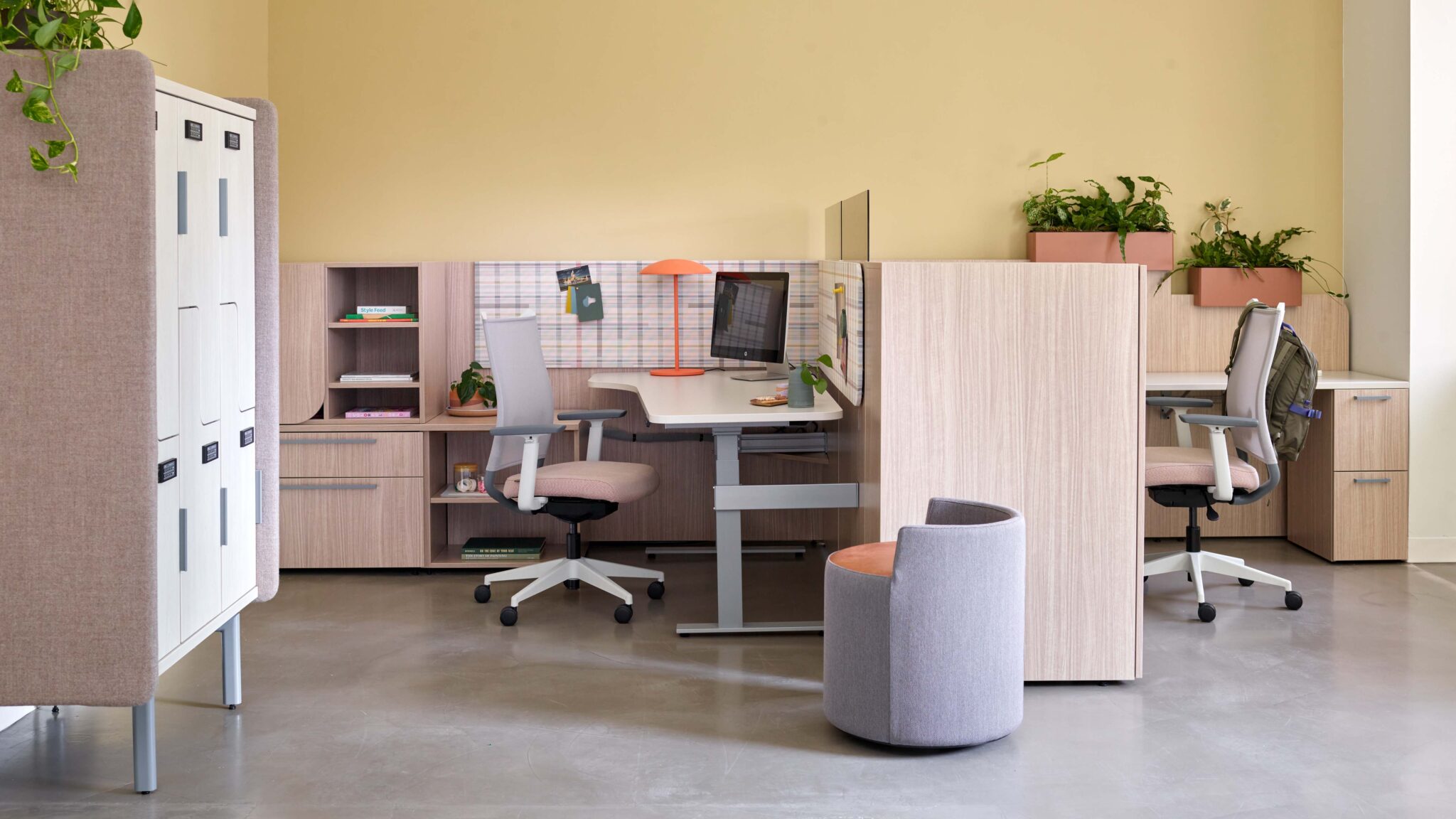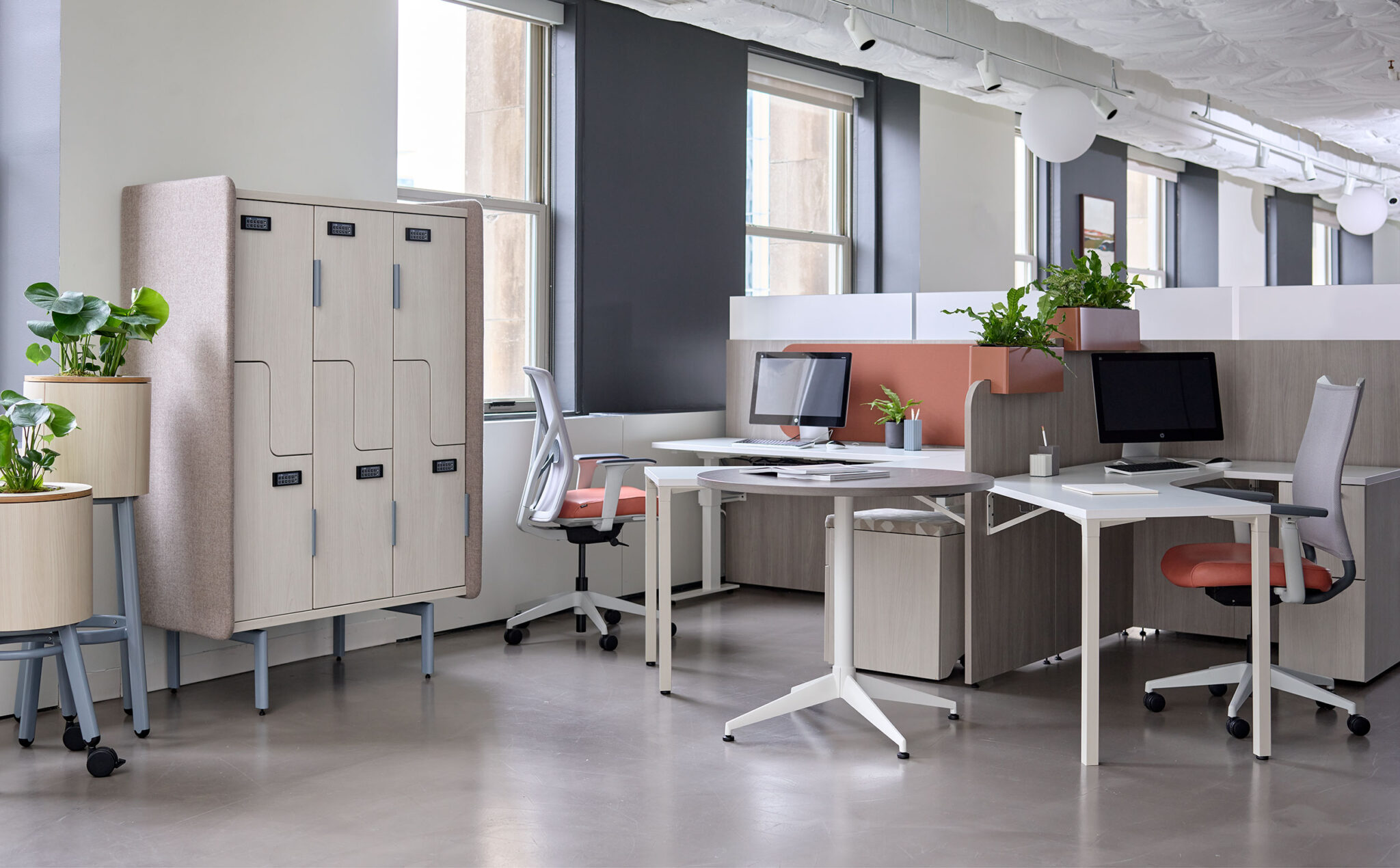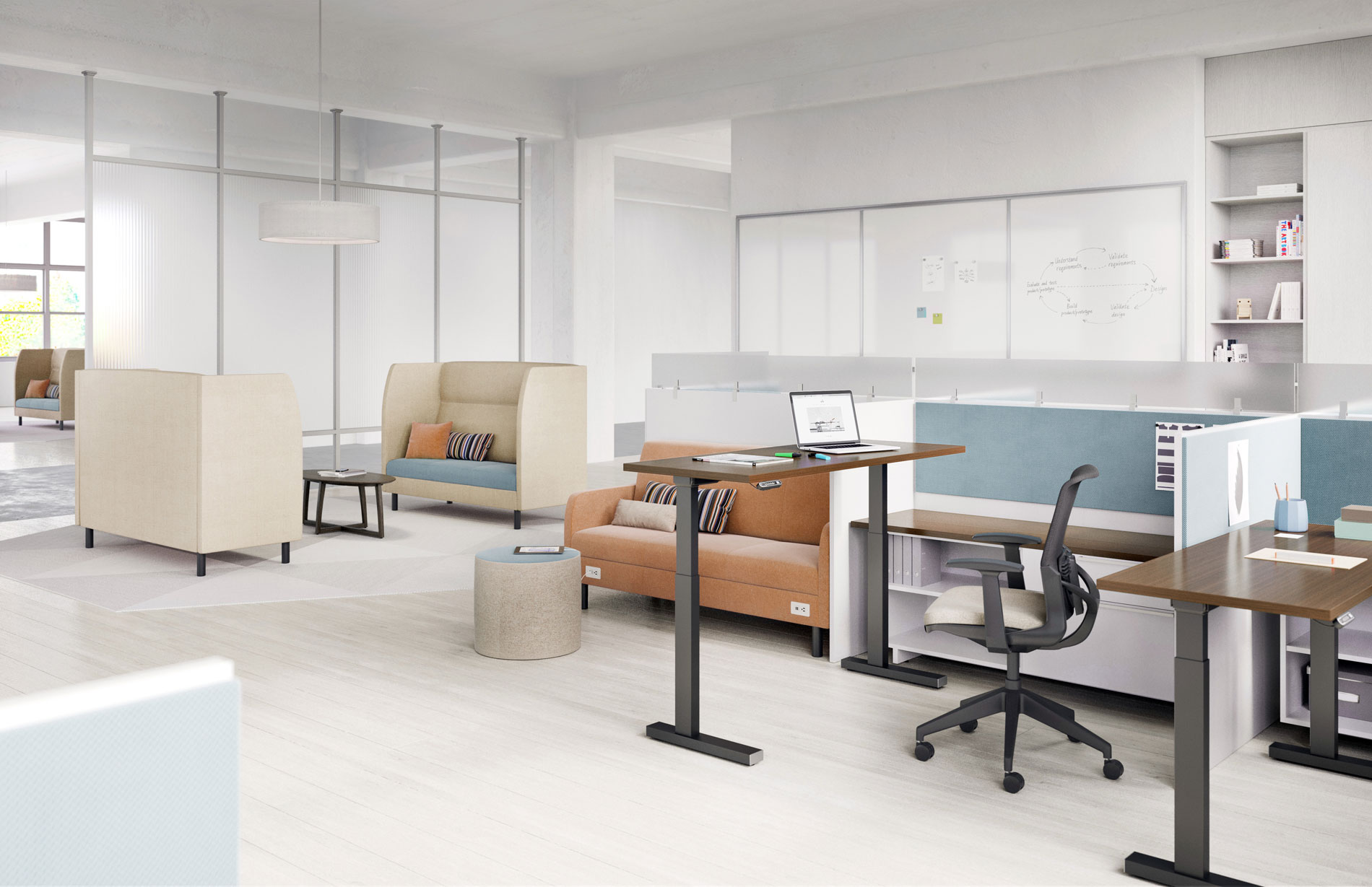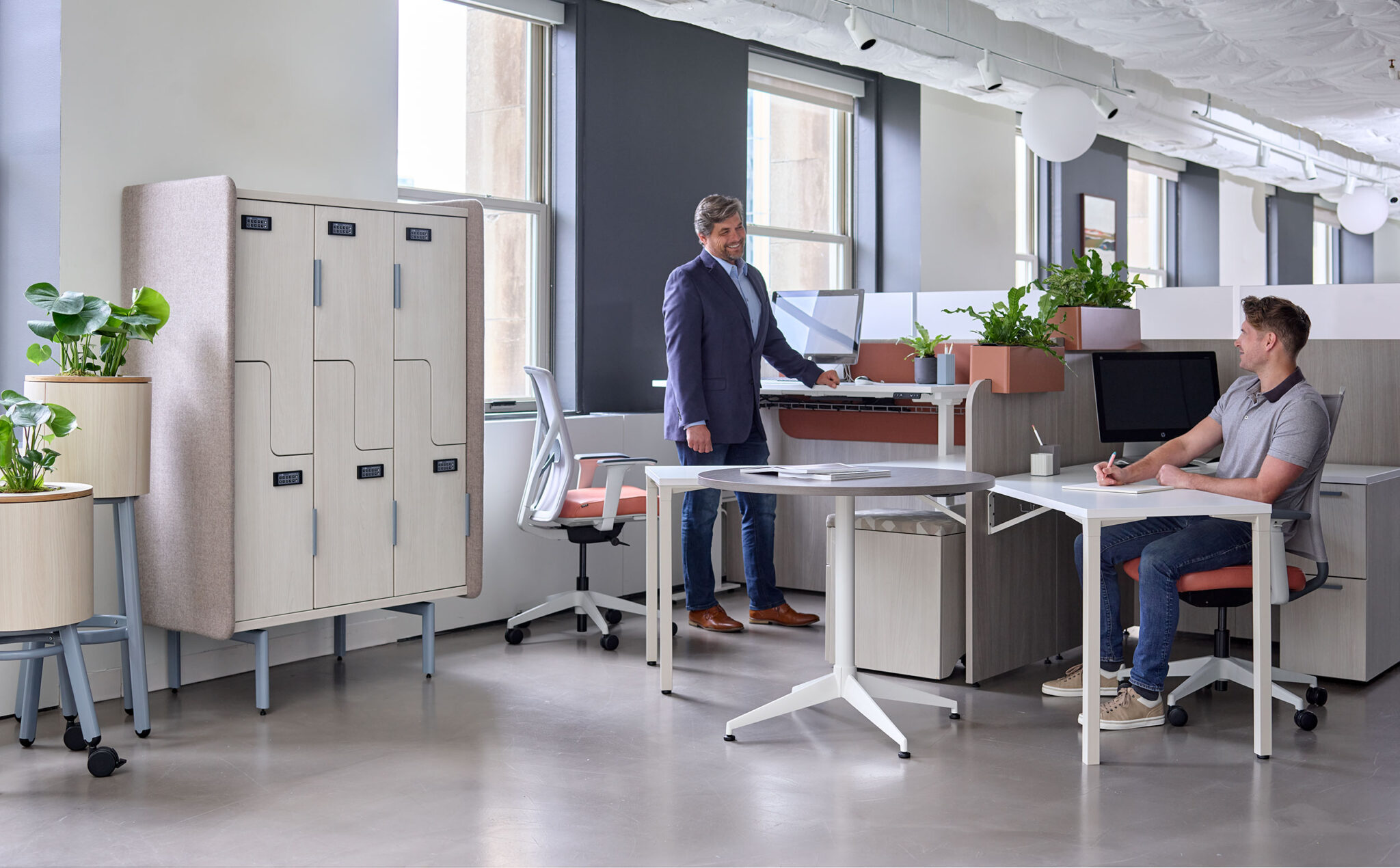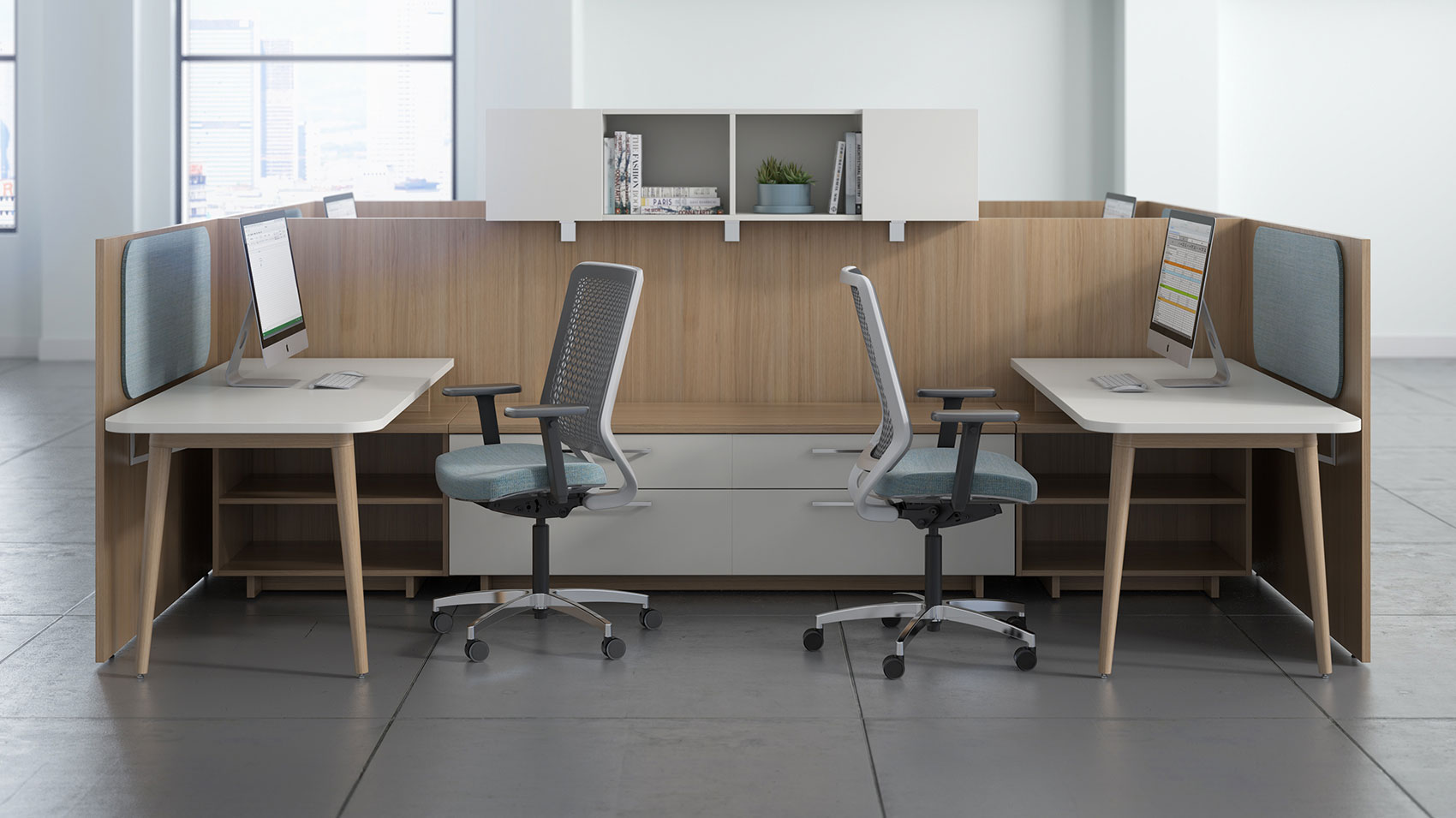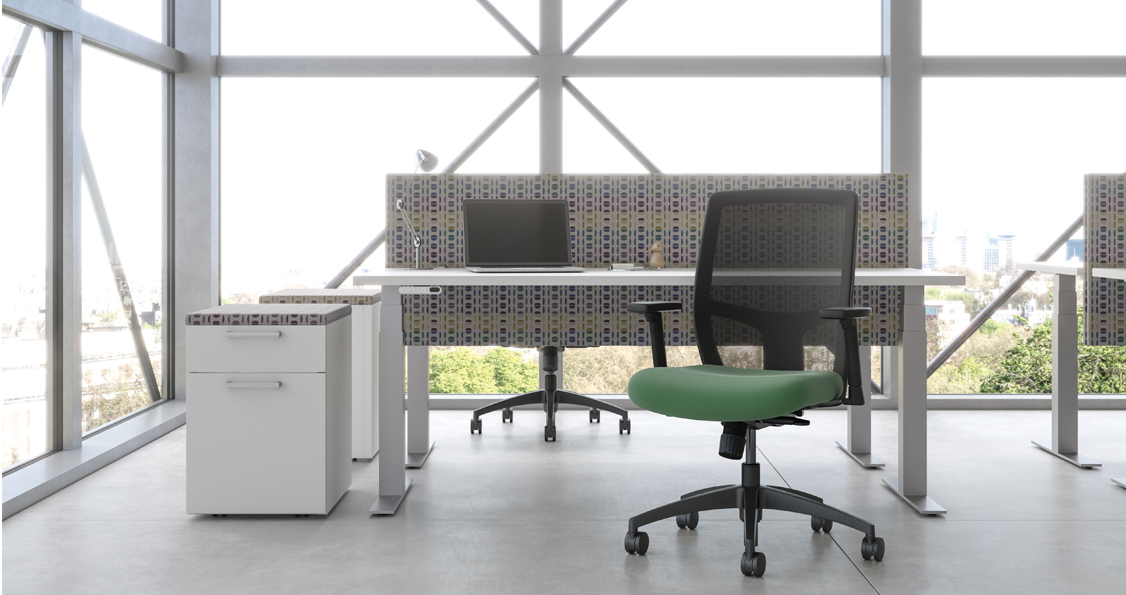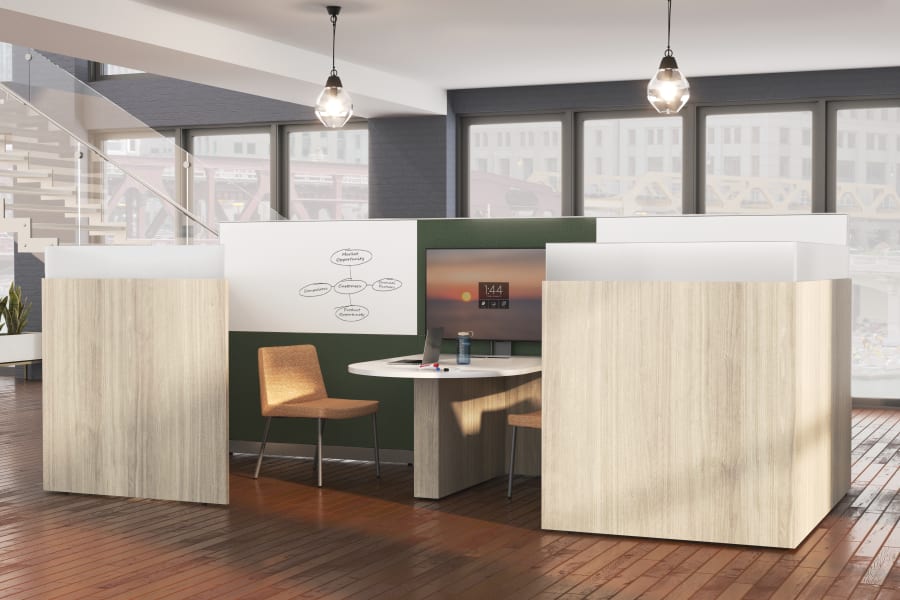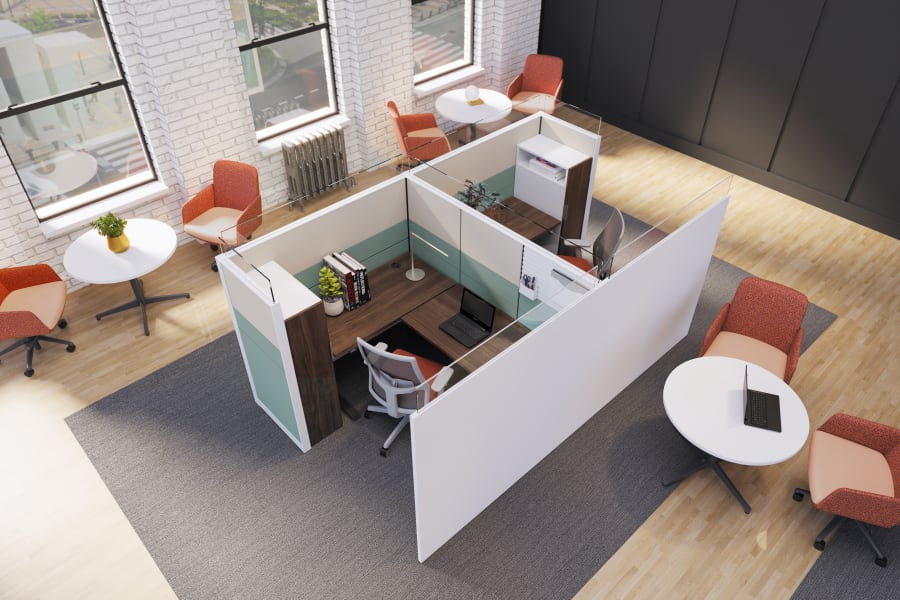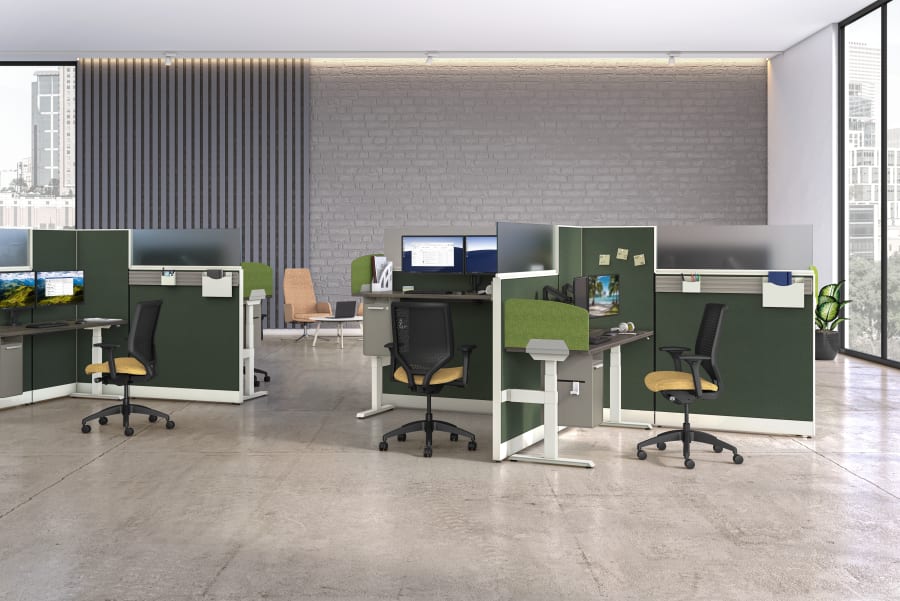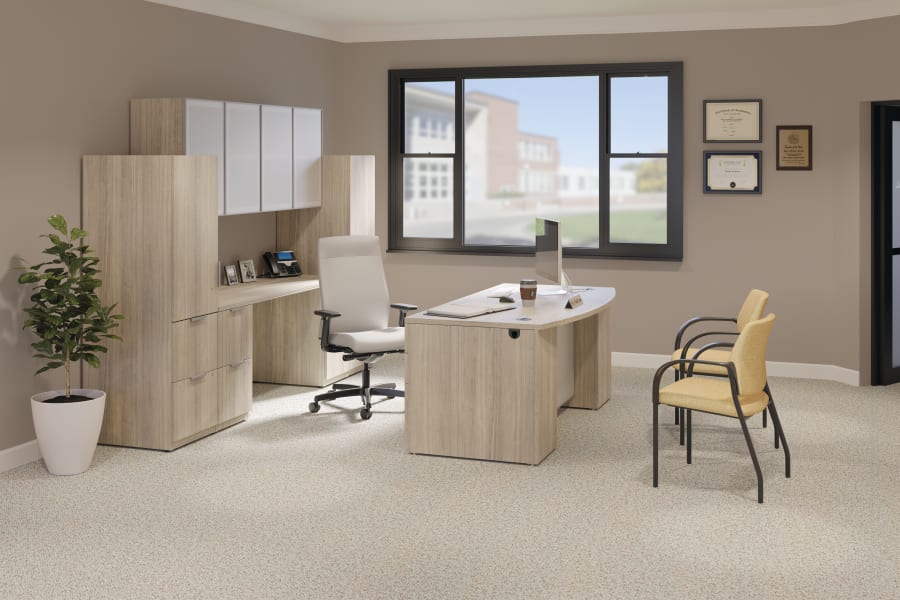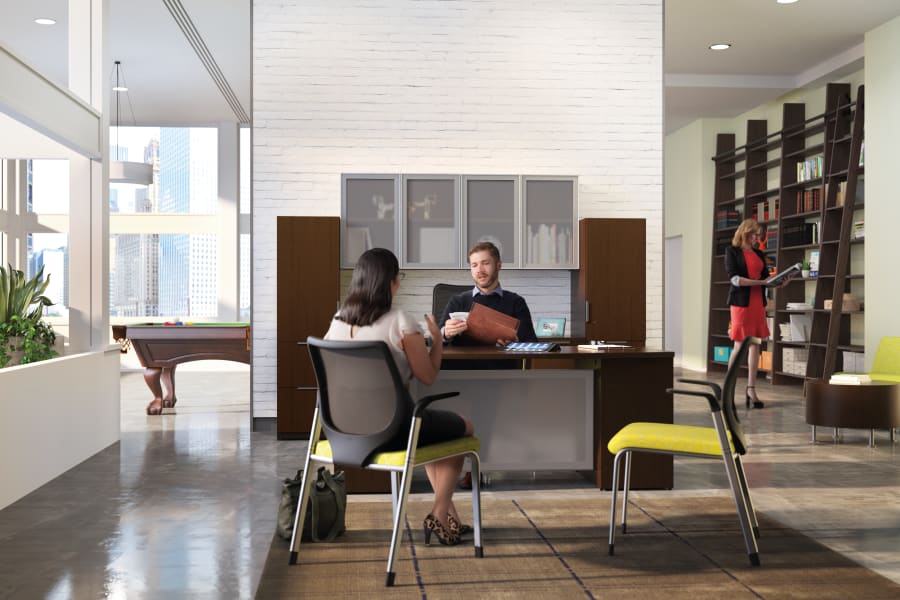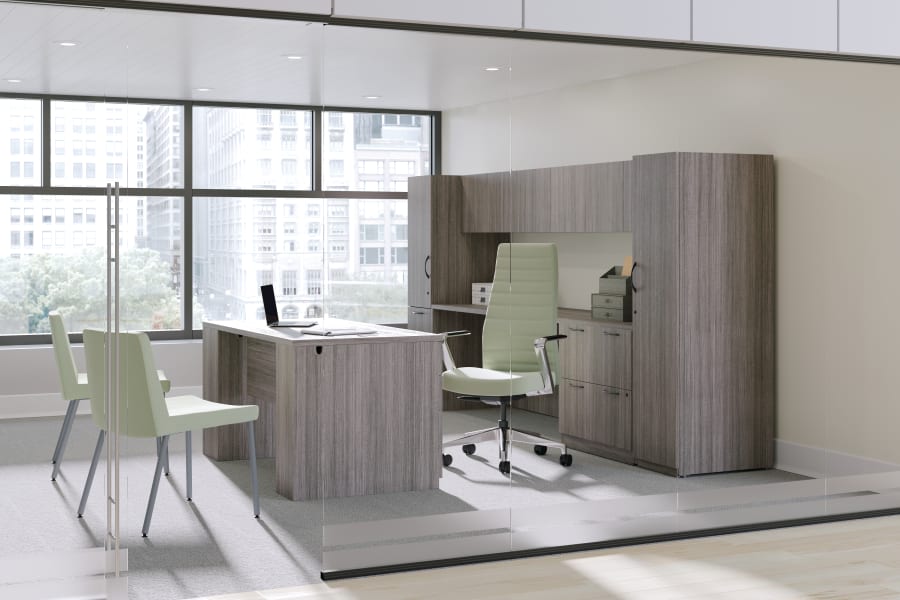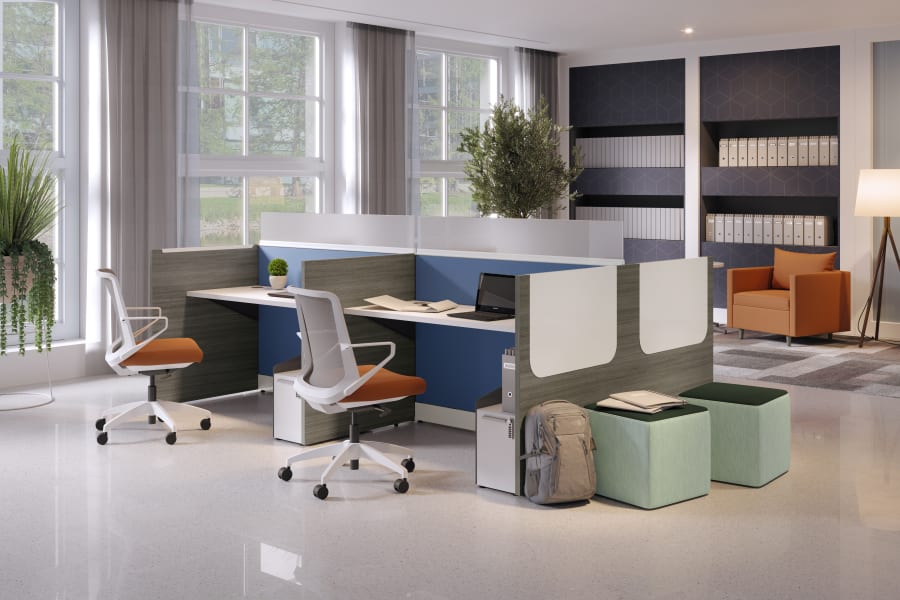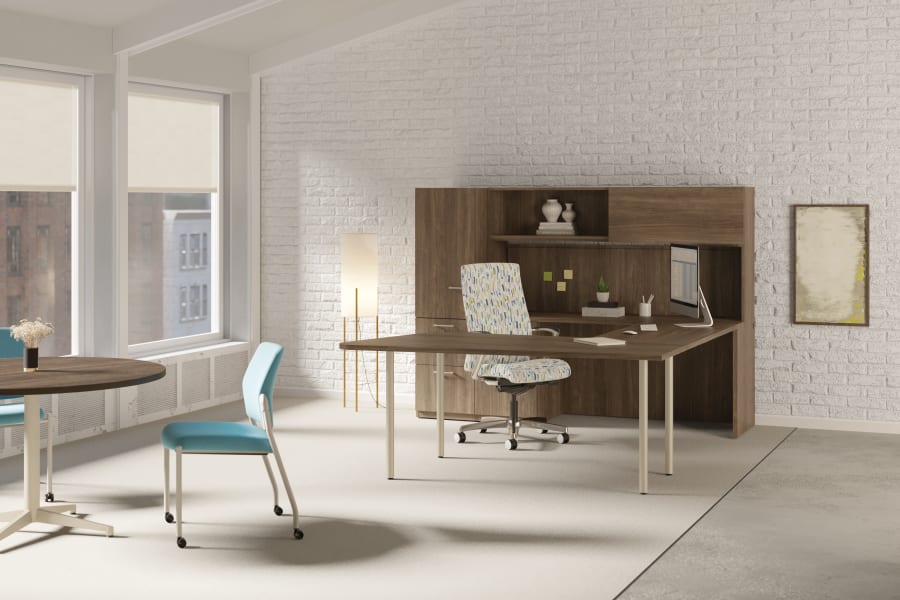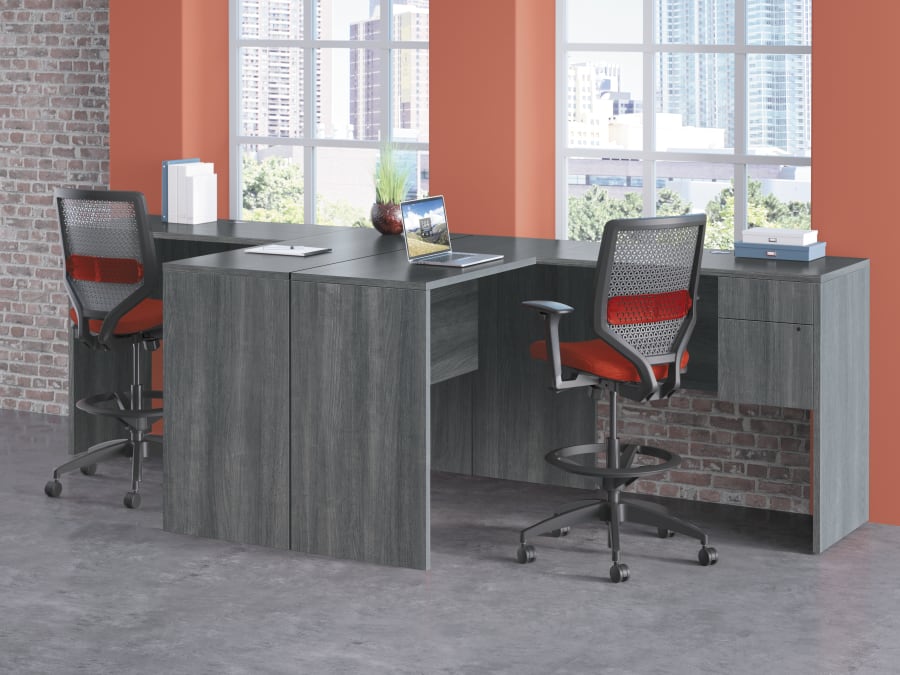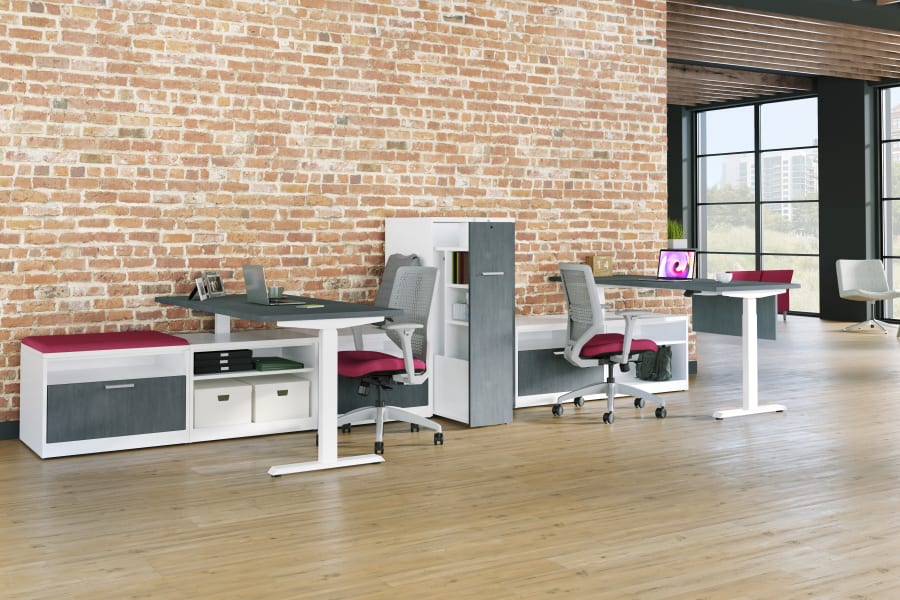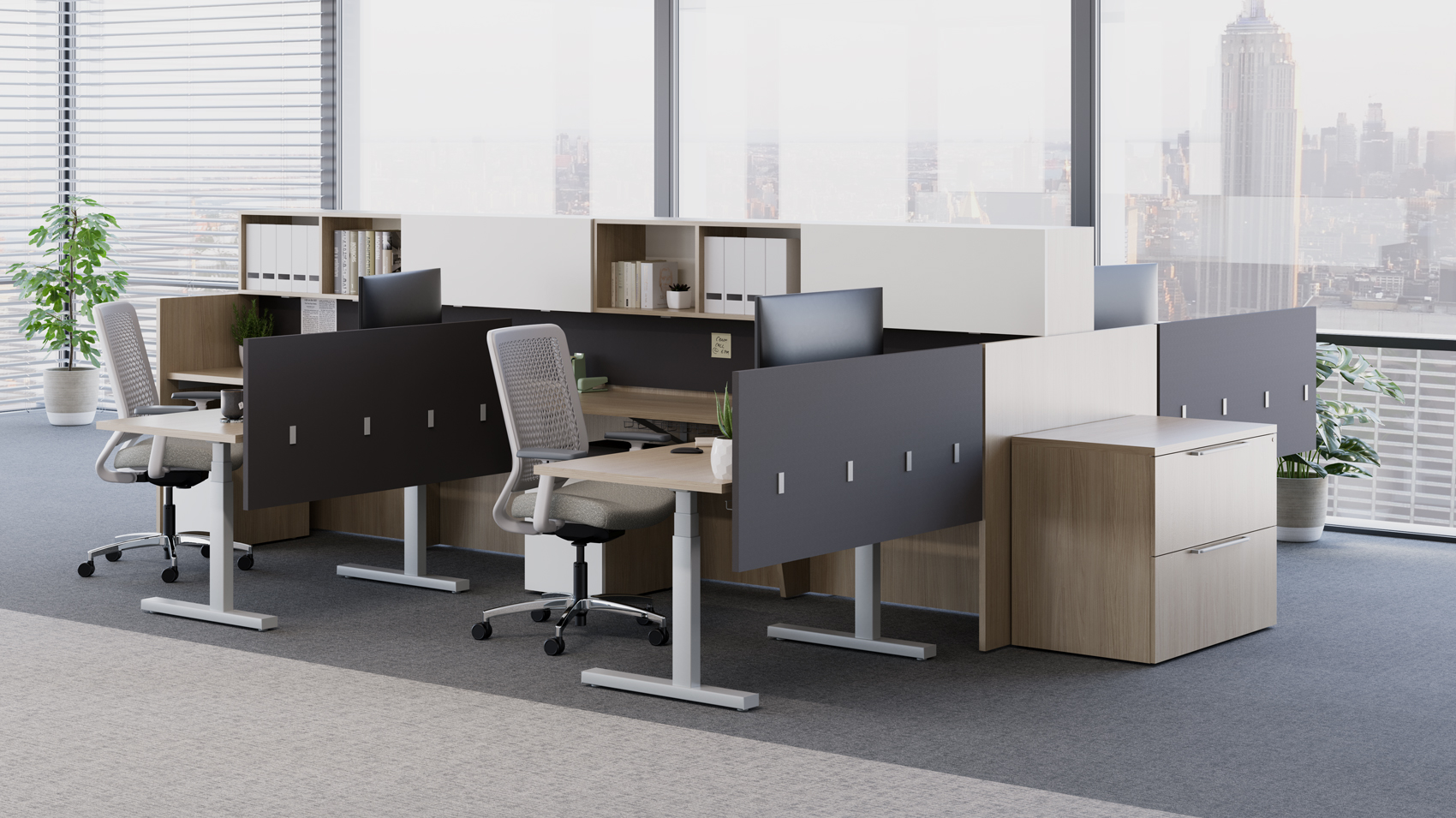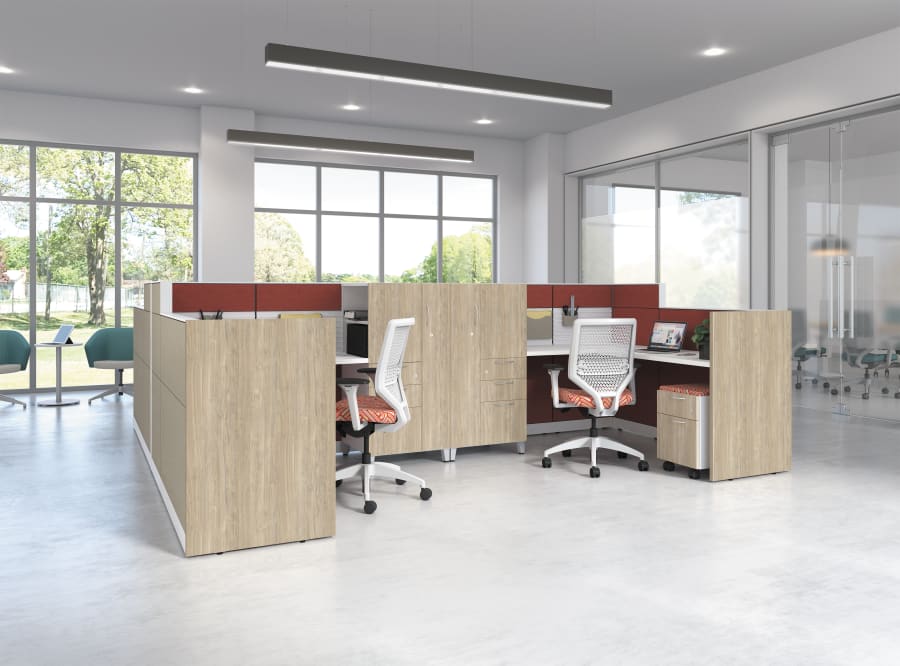
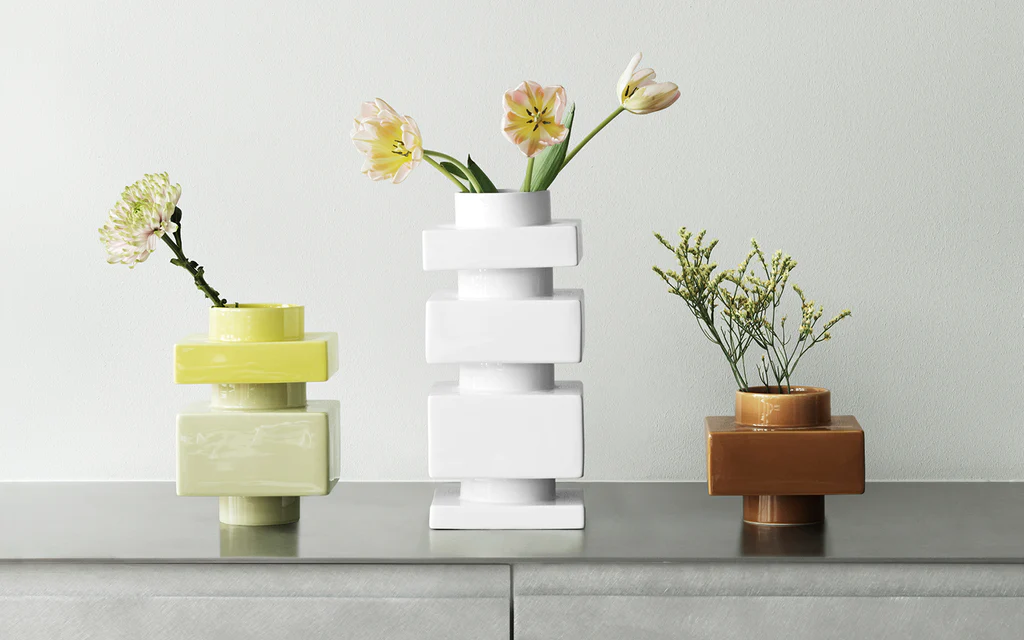
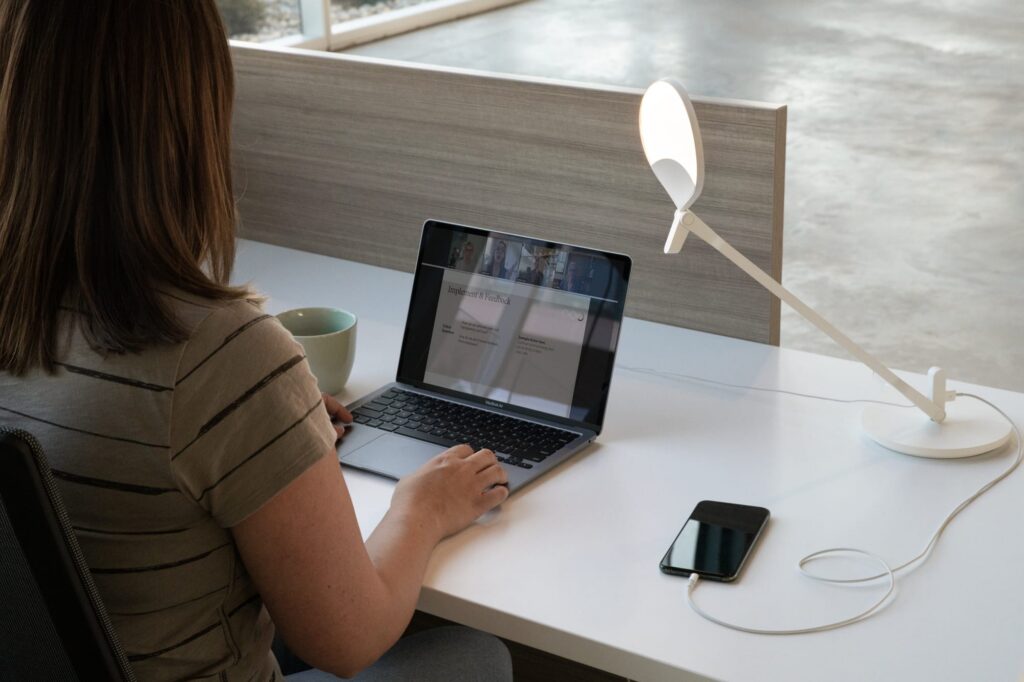
A room may have the core furniture in place but still feel empty, cold, or disconnected. Tables, lighting, accessories, planters, and accent pieces can help complete the setting and make it easier to use.
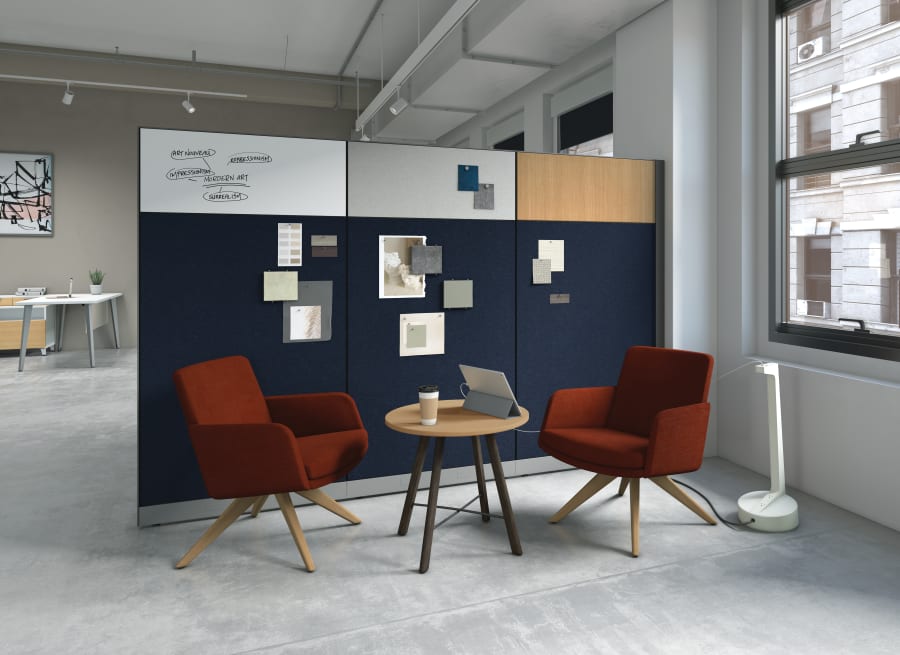
Soft seating often needs nearby tables, laptop-height surfaces, lighting, power access, planters, and accessories to become useful. Without those supporting pieces, people may not know how to use the setting comfortably.
Reception and public-facing spaces should feel polished and welcoming. Accent pieces can help add texture, warmth, color, and brand character without overwhelming the space.
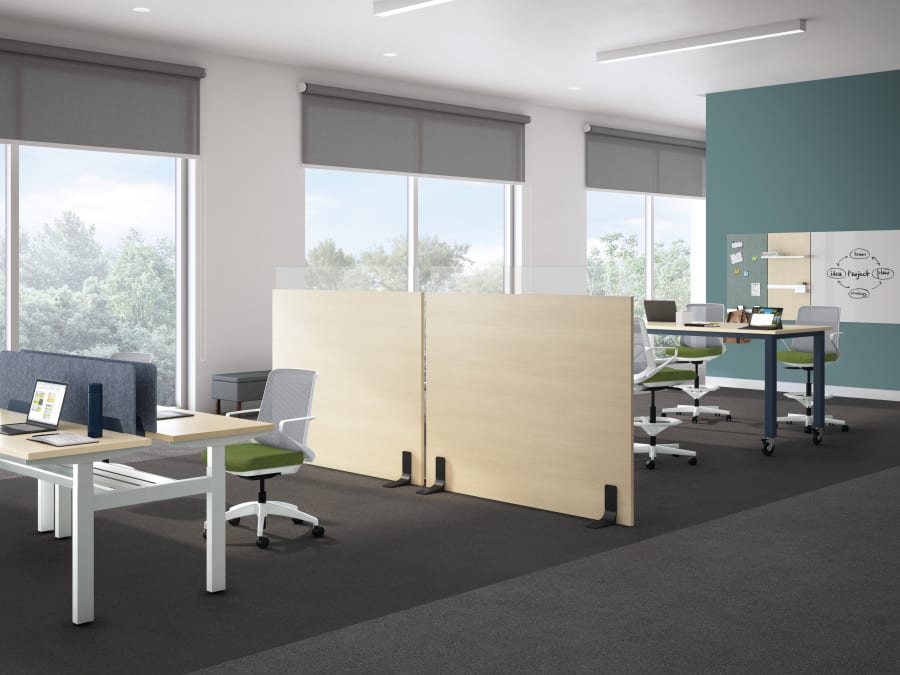
Informal collaboration spaces may need occasional tables, writable surfaces, shelving, mobile accessories, power access, planters, or display support to become truly functional.
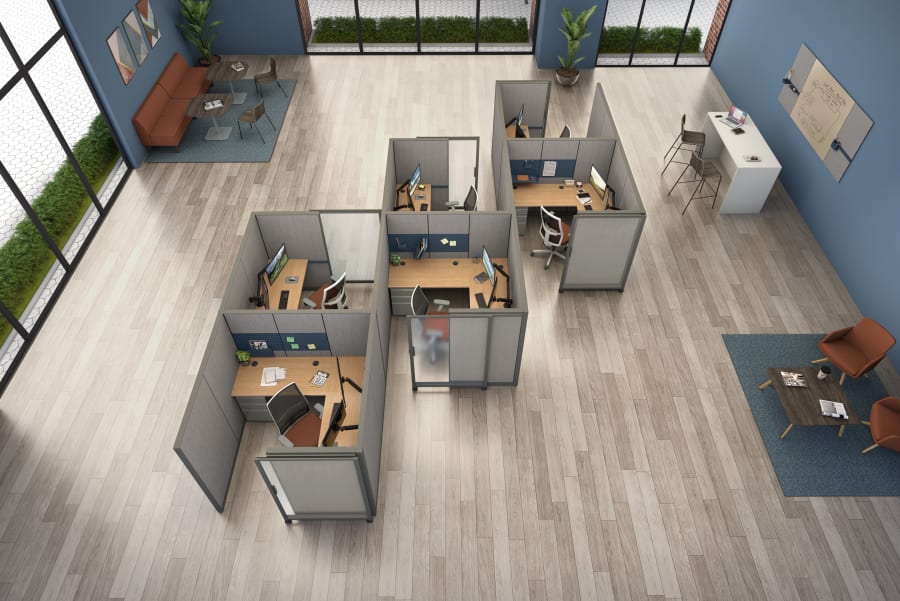
Planters, shelving, screens, storage elements, and accent pieces can help define zones without building walls. Corral’s product structure includes accent tables, accessories, planters, shelving, storage, space definers, tables, and wall panels, which fits this type of flexible support layer.
Color, shape, material, lighting, accessories, artwork, and styling details can help the space feel more connected to the organization. The goal is not decoration for decoration’s sake. The goal is to make the space feel like it belongs to the people who use it.
Lounge chairs and sofas are more useful when people have places for laptops, drinks, notebooks, bags, phones, and shared materials. Occasional and accent tables help make lounge areas, waiting spaces, cafés, collaboration zones, and public areas easier to use.
We help evaluate table height, scale, durability, edge details, cleanability, mobility, finish direction, and whether the table should support casual work, waiting, gathering, or display.
Lighting can change how a space feels. A lounge, reception area, café, private office, or quiet corner may need more than overhead light to feel comfortable and complete. Lamps and specialty lighting can add warmth, support focus, and make a setting feel more intentional.
Our team helps evaluate lighting as part of the furniture and accessory plan, especially where the goal is a more hospitality-inspired or human-centered environment.
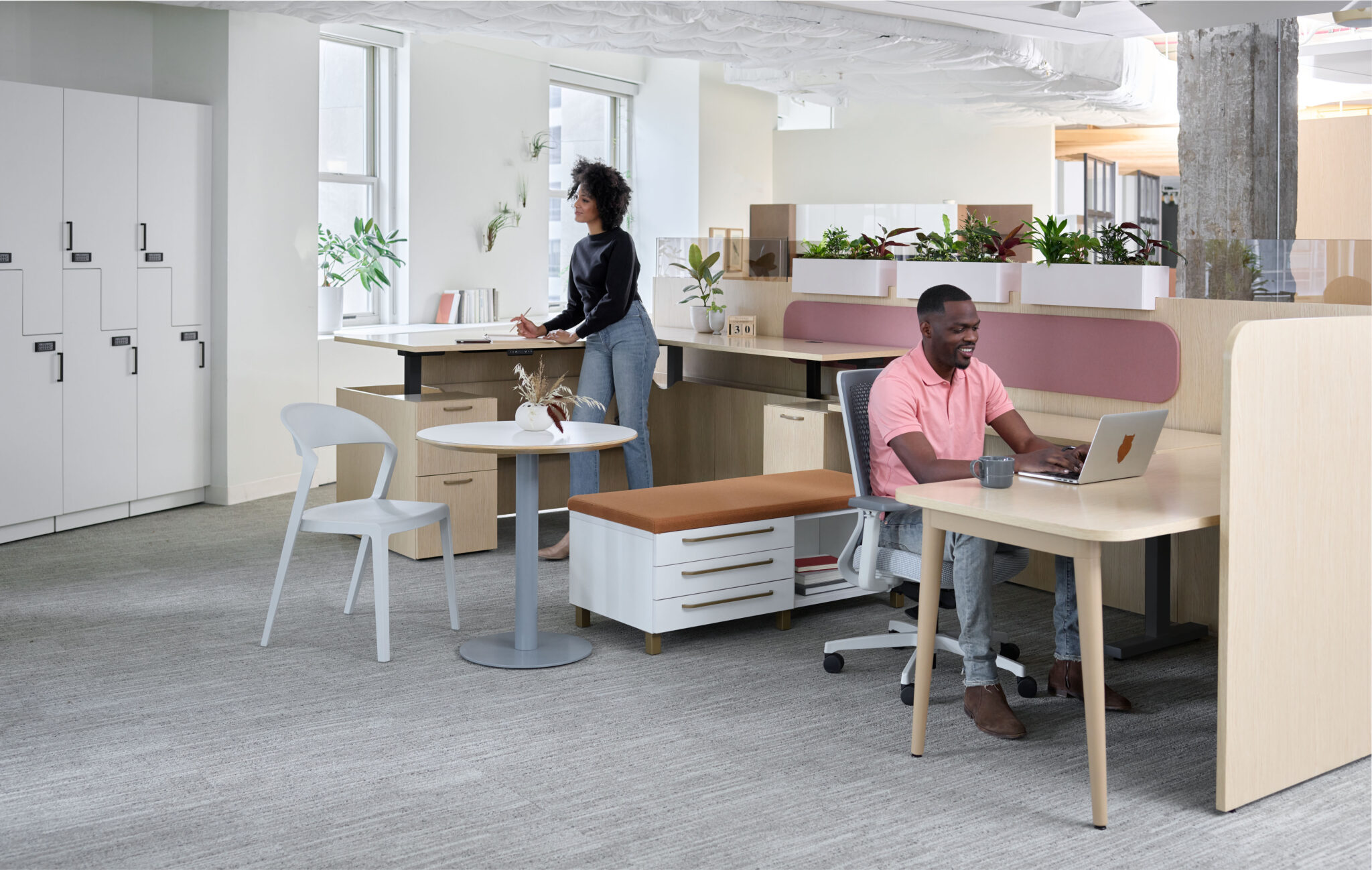
Planters can do more than hold greenery. They can soften hard environments, define zones, guide movement, and add a more human layer to commercial interiors. This can be especially useful in lounges, cafés, open offices, lobbies, amenity areas, student spaces, and collaboration zones.
That means evaluating planter size, placement, durability, maintenance expectations, finish coordination, and whether planters should act as decoration, space division, or both.
Shelving, display pieces, and accessory storage can help organize materials, showcase objects, support hospitality-style settings, or create subtle separation in open areas. These pieces can be functional while also adding texture and visual interest.
We work with clients to determine where shelving or display support adds value and where it may clutter the space.
Accessories and objects can help a space feel more complete, but they need discipline. Too few details can make a room feel cold. Too many can make it feel cluttered. The right accessories should support the scale, tone, brand, and purpose of the space.
MBI helps clients coordinate accessories, objects, mirrors, textiles, hooks, décor, and other finishing details so they feel intentional and appropriate for a commercial environment.
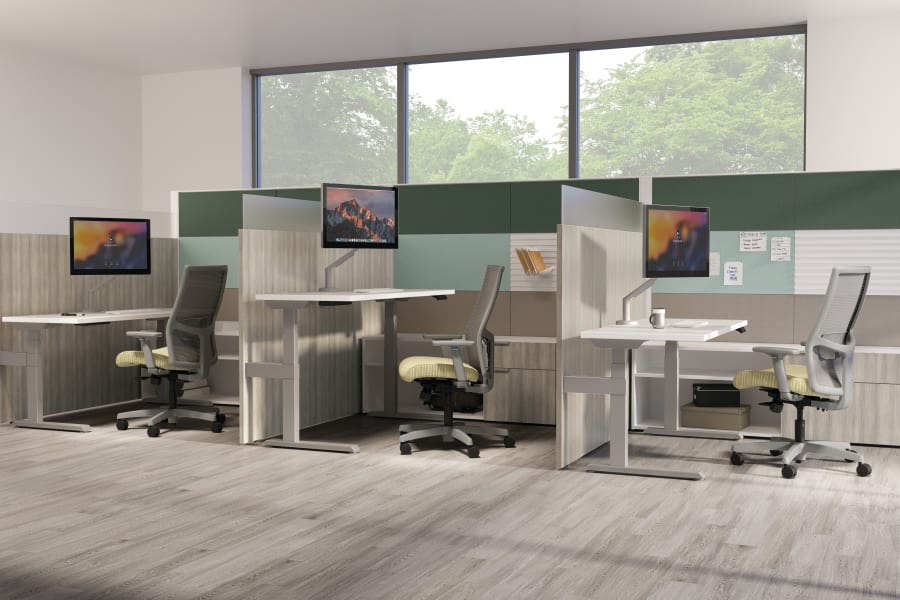
A beautiful lounge or collaboration setting can fall short if people have nowhere to charge devices, place a laptop, support a presentation, or access basic work tools. Power access, technology support, collaborative boards, cable management, and organization products can make shared spaces more practical.
Allsteel’s accessory categories include lighting, technology support, collaborative boards, recycle and waste management, organization and décor, and power and wire management. Those categories fit well where the goal is to make a finished space more usable, not just more attractive.
Accent pieces can help turn informal areas into useful collaboration settings. Mobile tables, markerboards, carts, planters, lightweight side tables, stools, and small support pieces can help a space shift between waiting, working, gathering, and presenting.
We help select flexible accent pieces that match the way the setting needs to change throughout the day.





This category can include occasional tables, side tables, laptop tables, lamps, planters, shelving, display pieces, mirrors, accessories, décor, collaborative boards, power support, technology accessories, waste/recycling support, and other pieces that help complete a space.
No. Some accessories are decorative, but many solve practical problems. They can support laptop use, storage, display, collaboration, lighting, wayfinding, space division, comfort, and brand expression.
They should be discussed early enough to coordinate with furniture layouts, finishes, lighting, power, budget, lead times, and the overall design direction. If they are treated as a late add-on, the space may feel disconnected or incomplete.
Start with the purpose of the area. Our team helps determine which pieces are useful, which pieces support the design, and which pieces may add unnecessary visual noise. The goal is a finished space, not a crowded one.
Yes. Laptop tables, collaborative boards, mobile tables, carts, power access, planters, and small support pieces can help informal areas function better for quick work, meetings, presentations, or group activity.
Yes. Planters can soften open environments, create subtle boundaries, guide movement, and add a natural layer to the space. They are especially useful in lounges, cafés, open offices, lobbies, and amenity areas.
Yes, when they are part of the furniture and ancillary scope. MBI can help coordinate lighting, accessories, objects, planters, and supporting details with the furniture plan and approved partner resources.
Commercial spaces need accessories that can hold up to use, cleaning, movement, and traffic. Product selection should consider material, finish, maintenance, replacement, stability, and how the piece will be used day to day.
Yes, but they need to be selected carefully. Durability, cleanability, accessibility, safety, traffic flow, and maintenance expectations are especially important in high-use or public-facing environments.
Start with what feels unfinished or unsupported. Tell MBI where people need a place to set things down, charge devices, gather, display materials, add warmth, or define space. From there, we can help compare the right specialty tables, accent pieces, and accessories.