Lounge and collaborative spaces that people actually want to use.

Lounge and collaborative spaces that

people actually want to use.

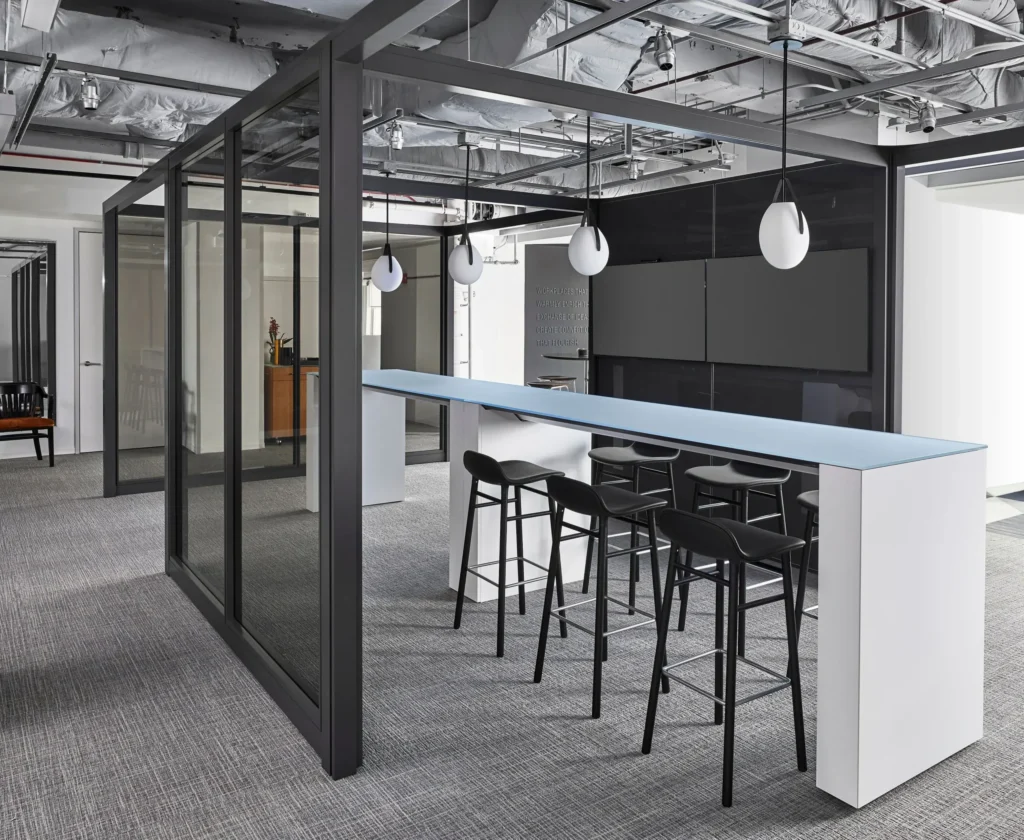
Glass-enclosed meeting room with black framing, wood ceiling details, and collaborative seating

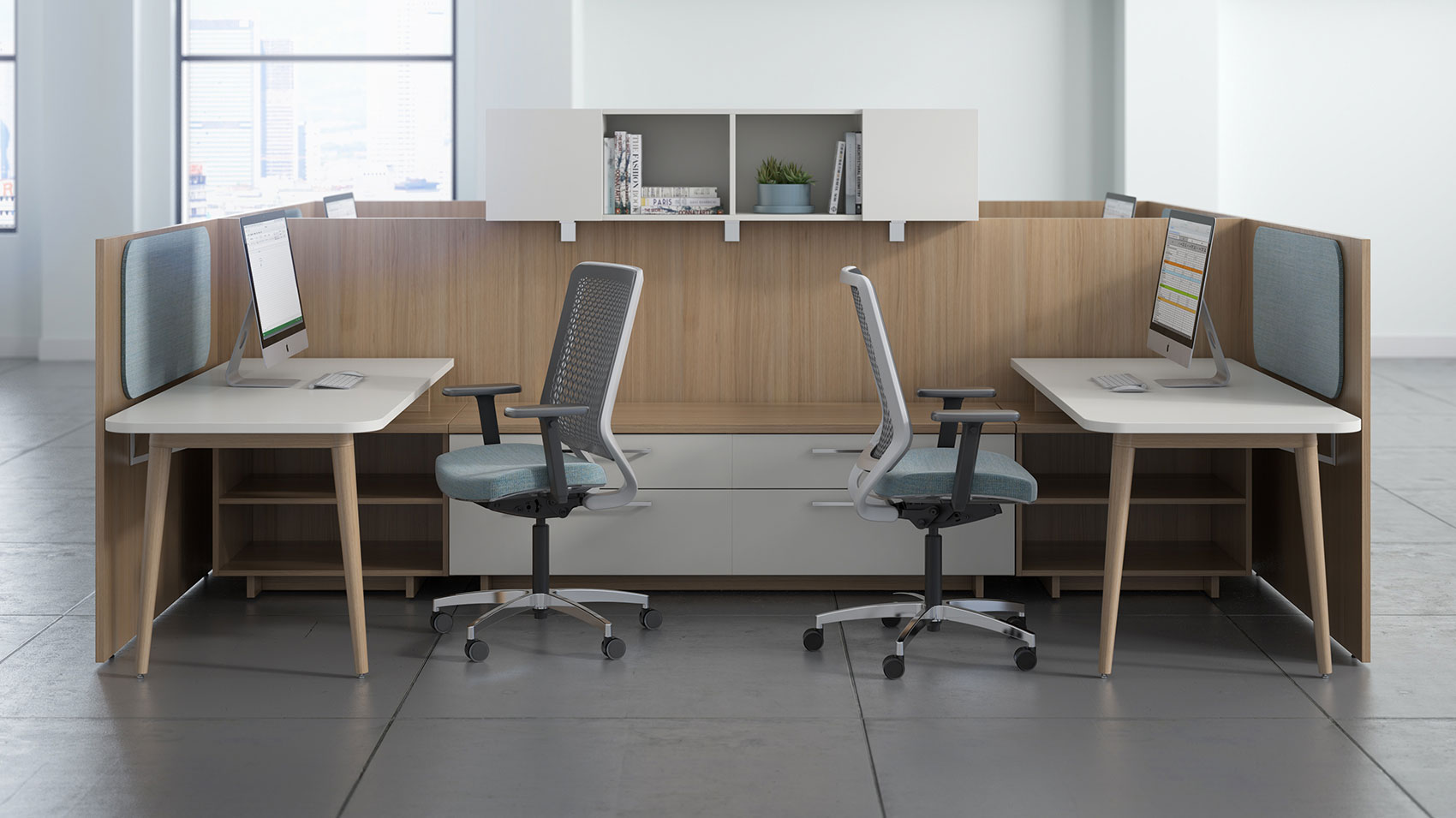
The spaces between desks, offices, and conference rooms matter more than they used to. Lounges, collaboration areas, cafés, touchdown zones, waiting areas, and informal meeting spaces help people gather, pause, focus, connect, and move through the day in a more natural way.

MBI helps clients plan lounge and collaborative furniture that supports comfort, flexibility, durability, brand experience, and real daily use. Whether the goal is to make a workplace feel warmer, create informal meeting areas, improve a lobby, support students, add staff respite space, or activate underused areas, we help connect the right furniture, layout, finishes, and supporting details.

A lounge area should do more than fill extra space.

When lounge and collaborative settings are planned well, they can support culture, flexibility, informal meetings, focused work, waiting, student gathering, staff respite, and visitor experience. When they are treated as leftovers, they often become underused corners with furniture that looks good but does not work. We help plan these areas around how people will actually use them.

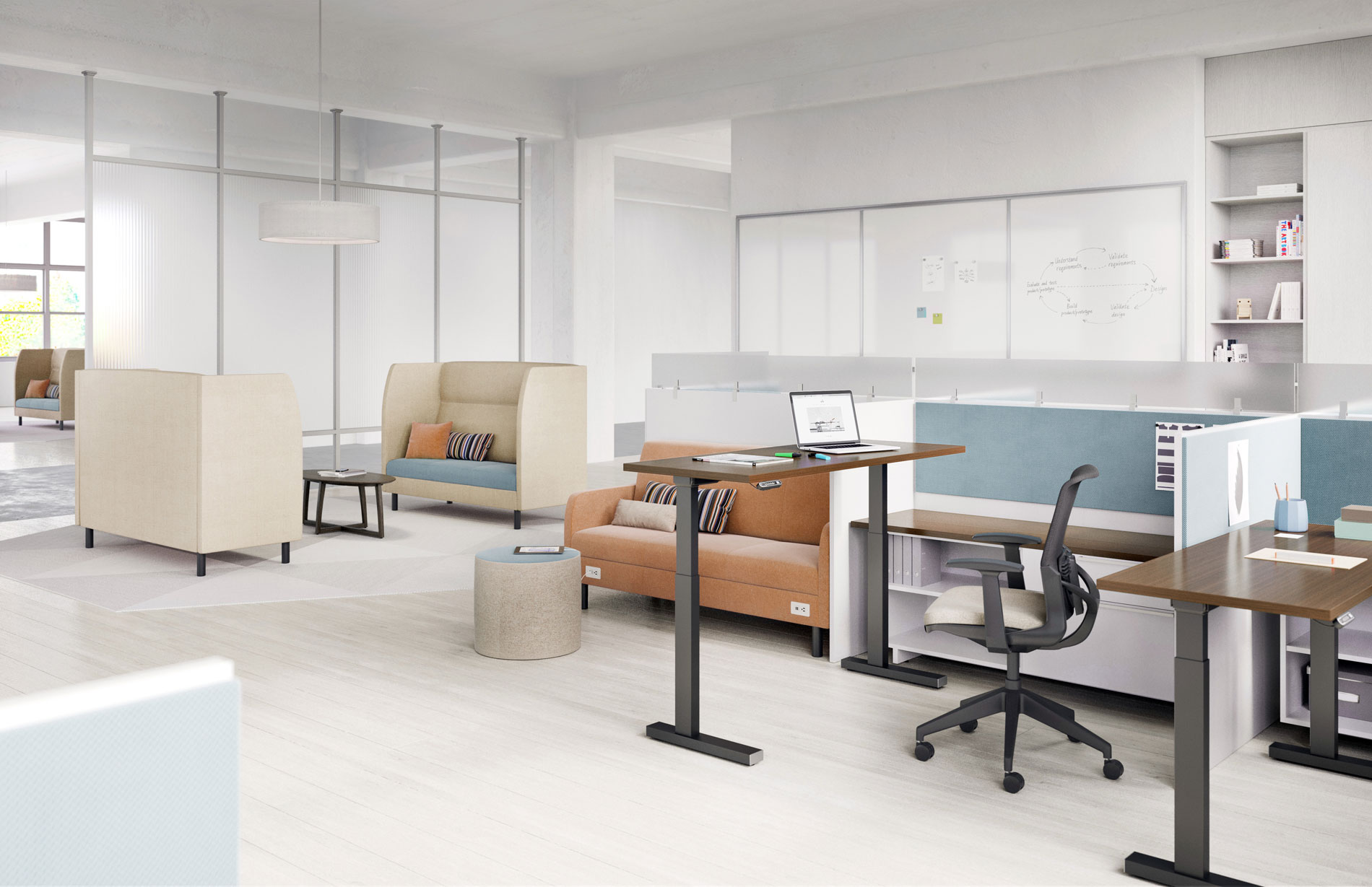
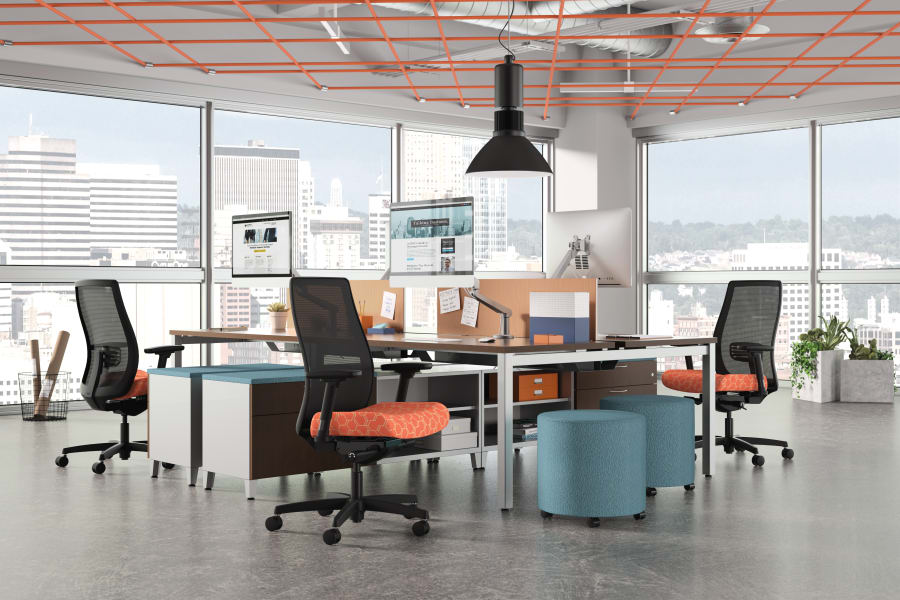
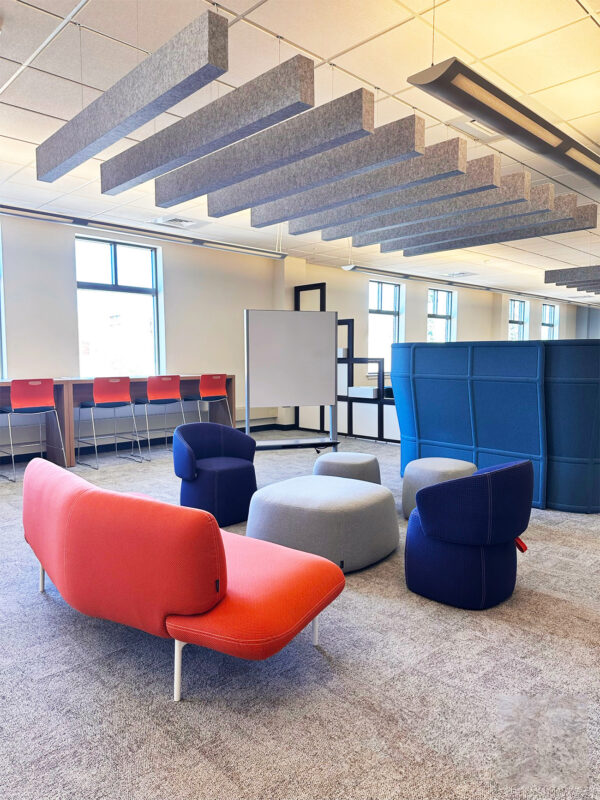
Collaborative lounge with blue and orange seating beneath suspended acoustic ceiling baffles

01 Your shared spaces are underused

If lounge areas, cafés, or collaboration zones sit empty, the issue may not be the idea of the space. It may be the furniture, layout, comfort level, privacy, power access, or location. Our team helps make these areas more useful and inviting.

02 Your workplace feels too rigid

A space with only desks, offices, and formal meeting rooms can feel stiff. Lounge and collaborative furniture can create softer places for informal connection, quick conversations, short-term work, and a more hospitality-inspired workplace experience.

03 Your lobby or waiting area needs warmth

Reception and waiting areas shape the first impression of your organization. Our approach is to plan lounge settings that feel welcoming, durable, appropriately scaled, and aligned with the tone of the business or institution.

04 Your teams need places for informal collaboration

Not every conversation needs a conference room. Lounge settings, booth-style areas, café tables, collaborative seating, and touchdown zones can help teams connect more naturally throughout the day.

05 Your space needs quiet places to pause or focus

Lounge areas can also support individual work, staff respite, student study, or a short break from high-activity spaces. We work with clients to balance comfort, privacy, acoustics, and visibility.

06 Your furniture needs to support long-term change

Lounge and collaborative furniture often brings the final layer of warmth, texture, and personality into a space. It helps connect the core furniture plan to the experience people actually have in the environment.

Different shared spaces need different furniture strategies.

A lobby, employee café, student lounge, collaboration zone, staff respite space, and touchdown area may all use lounge furniture, but they do not serve the same purpose. MBI helps clients compare solutions based on comfort, durability, flexibility, cleanability, privacy, technology needs, brand expression, and how the space should feel.

01

Informal Collaboration Areas

Give people places to connect without booking a room.

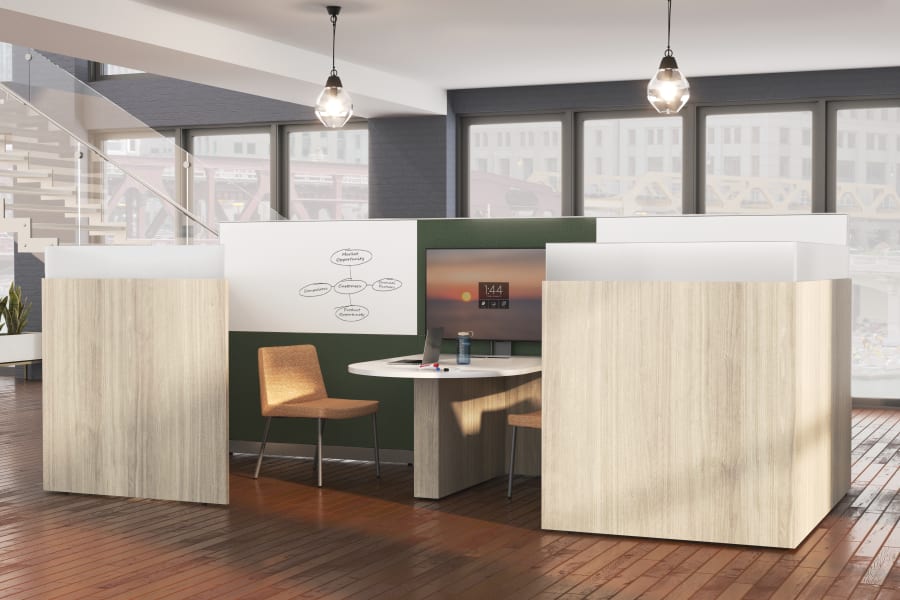
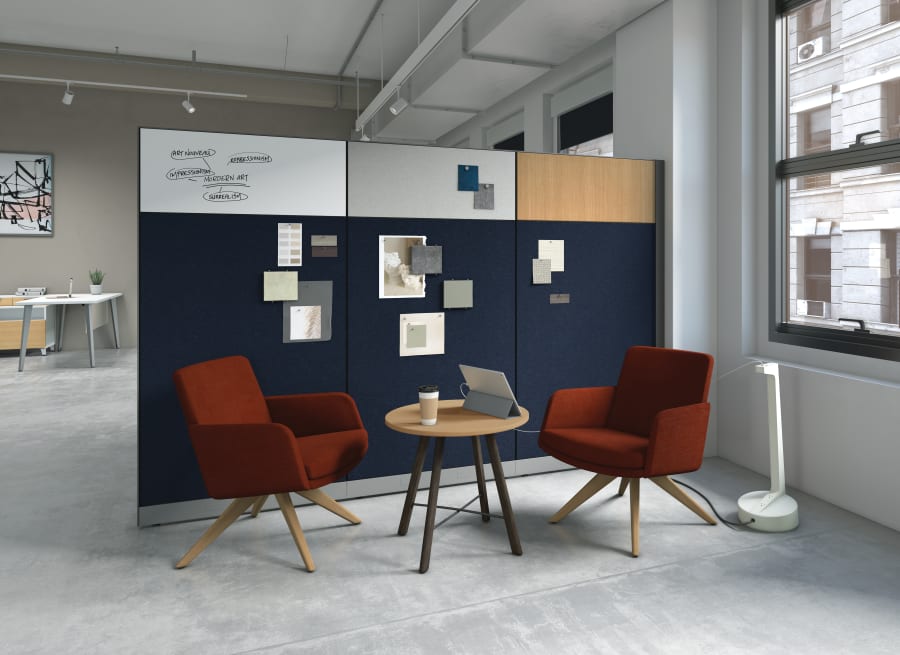
Informal collaboration areas support the quick conversations and small group work that happen throughout the day. These spaces can help reduce pressure on conference rooms while giving teams a more relaxed setting for brainstorming, review sessions, coaching, or project check-ins. We help plan these areas with the right mix of seating, tables, power access, privacy, circulation, and acoustic support so they feel useful instead of improvised.
 

02

Lounge & Soft Seating Settings

Create comfortable settings that still perform in commercial spaces.

When every height-adjustable decision is handled one-off, projects can become inconsistent and harder to maintain. A sit-stand standard can simplify planning by defining typical desk sizes, base types, controls, finish options, monitor support, and related accessories. MBI helps clients build ergonomic standards that support comfort and movement while still controlling cost, simplifying ordering, and making future additions easier to manage.
 

03

Café, Breakout & Social Spaces

Turn everyday gathering areas into spaces with purpose.

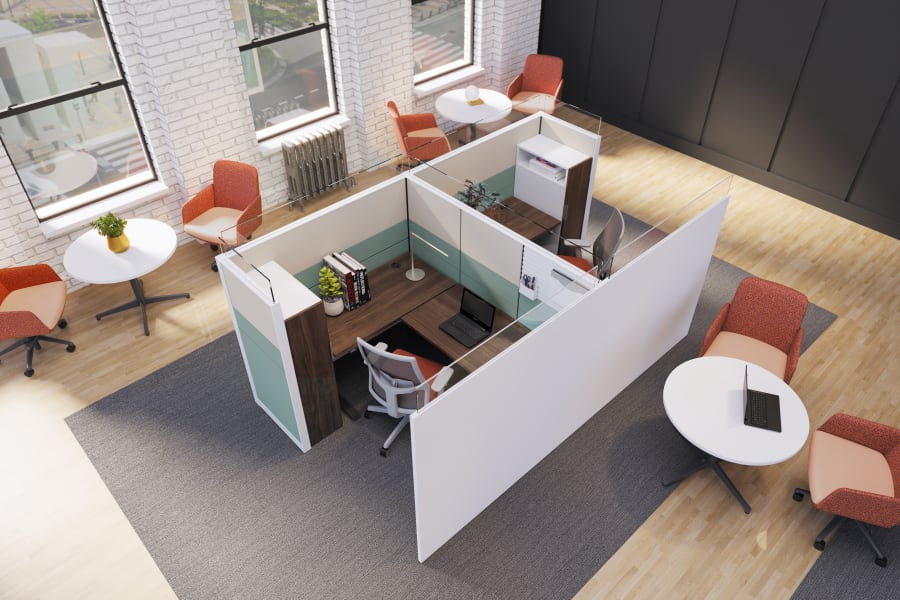
Cafés, breakrooms, and social spaces can support far more than lunch. They can become casual meeting areas, touchdown zones, employee gathering spaces, student hubs, staff respite areas, and places where culture shows up in everyday use. Our approach is to plan these settings with furniture that supports movement, conversation, quick work, comfort, cleanability, and flexibility.
 

04

Waiting, Reception & Welcome Areas

Make first impressions feel intentional and comfortable.

Waiting and reception spaces should feel professional, welcoming, and easy to use. They also need to hold up to traffic, support different users, and coordinate with the overall tone of the organization. We work with clients to plan guest seating, lounge groupings, side tables, durable textiles, accessible layouts, and supporting details that make public-facing areas feel considered instead of generic.
 

05

Touchdown & In-Between Spaces

Activate the spaces people pass through but rarely use well.

Corridors, landings, open zones, window areas, and spaces between departments can become useful settings for short-term work, informal conversations, focused tasks, or a quick change of scenery.

MBI helps turn these in-between areas into purposeful settings through the right scale of furniture, power access, privacy, acoustics, and layout. These spaces should feel easy to use, not like leftover furniture placed where there was room.


06

Modular & Flexible Lounge Solutions

Build shared spaces that can change with the day.

Some lounge and collaborative areas need to support different uses at different times. Modular seating, movable tables, flexible lounge components, planters, screens, and space definers can help settings shift from individual use to group conversation to informal presentation or event mode. We help select products that are flexible without feeling temporary.
 

The right lounge setting depends on comfort, durability, flexibility, and the experience you want to create.

MBI works with manufacturer partners that support a wide range of lounge and collaborative furniture needs, from refined reception areas to flexible collaboration zones, cafés, staff spaces, student lounges, and hospitality-inspired workplaces. The goal is not to pick a sofa first. The goal is to understand how the setting should feel, who will use it, how often it will change, and what the furniture needs to withstand.
Zilenzio workplace acoustic furniture and sound-management products logo
Unika Vaev acoustic materials and commercial interior products logo
MPS Acoustics commercial sound-management products logo
Lencore Acoustics workplace sound-masking and acoustic solutions logo

faqs

What is lounge and collaborative furniture?
Lounge and collaborative furniture includes soft seating, sofas, lounge chairs, modular seating, benches, poufs, café tables, side tables, stools, planters, screens, and supporting pieces that help create informal work, gathering, waiting, and collaboration spaces.
Lounge furniture is typically designed for more relaxed settings, shorter-term work, informal meetings, waiting, gathering, or respite. It may still need to meet commercial durability standards, but it supports a different experience than task chairs or conference seating.
Yes. When planned correctly, lounge areas can support casual meetings, focused work, laptop use, phone calls, short check-ins, and collaboration. Power access, table height, privacy, acoustics, and seating posture all affect how usable the space becomes.
Lounge spaces often go unused when they are poorly located, uncomfortable, too exposed, missing power, lacking nearby tables, too formal, too casual, or not aligned with how people actually work. Our approach is to plan these settings around real behavior.
Yes. Commercial lounge furniture can be specified with durable frames, appropriate upholstery, cleanable materials, replaceable components, and products designed for high-use environments. This is especially important in healthcare, education, senior living, lobbies, and public-facing spaces.
Yes. Lounge furniture, softer forms, warmer materials, lighting, planters, textures, accessories, and hospitality-inspired pieces can make a workplace feel more welcoming while still remaining professional and functional.
It should be discussed early enough to coordinate with the furniture plan, power access, finishes, lighting, circulation, acoustics, budget, and lead times. If it is treated as a last-minute add-on, the space may feel disconnected or under-supported.
Yes. Modular seating, planters, screens, shelving, rugs, tables, and space-defining pieces can help create zones without building walls. This can be useful for open offices, student spaces, cafés, amenity areas, and collaborative environments.
Yes. These environments often need lounge and collaborative settings that balance comfort, durability, cleanability, safety, flexibility, and user experience. MBI can help compare products that fit the environment and the people using it.
Start with how the space should be used. Tell MBI whether the area should support waiting, collaboration, focus, staff respite, student gathering, informal work, or visitor experience. From there, we can help identify the right lounge and collaborative furniture options.

Ready to create shared spaces people actually use?

You do not need to know the exact sofa, lounge chair, table, or accessory before starting the conversation. Tell us what the space needs to support, who will use it, and what feels missing today. MBI can help compare lounge and collaborative furniture options that bring comfort, flexibility, durability, and purpose to the environment.